Last Thursday, October 16th, DIRK SERRIES performed one of his rare ambient concerts, and one of his last ones for a longer time. In the ‘kapel sessies’ series organised by the city of Brecht, Dirk played an hour long set in the beautiful setting of the Oude Klooster chapel in Brecht (Belgium). Photos are courtesy of Jan Kees Helms.
As previously announced, since we are starting to move houses from next week on, we’ll be putting our mail-order service on hold till at least February 2026. You probably know that a lot of work comes with moving so in order to focus completely we can’t accept any new physical orders. Since it’s pretty time-consuming and rather cumbersome to opt out every title we sell, we’ll just refund any new physical items that comes in till our re-launch.
Naturally as much as we can we’ll continue to contribute to the bandcamp fridays with discount campaigns, etc. The Streams Of Consciousness series, for our subscribers, will of course continue over the months to come. Digital sales are still greatly accepted and appreciated. Thank you for your understand.
Fairly quick after the release of our welcomed duo record Jörg A. Schneider and I teamed up again for recording the follow-up. While this first one was already a kick in the face, this follow-up goes deeper into the frenetic and noisy side of our duo. Familiar yet bolder, equally dynamic but more powerful, still noisy but fuzzier. This 2nd one was a blast to record, all done in real-time at the Laundry room studio in Germany and brilliantly recorded, mixed and mastered by Peter Körfer.
VITAL WEEKLY REVIEW : Following their first collaborative LP, which I reviewed in Vital Weekly 1451, there’s a new album by Dirk Serries (guitar) and drummer Jörg A. Schneider. For me, that was an introduction to this musician (Dirk, I have known since 40 years!), who plays with Gaffa, Glimmen, Jealousy Mountain Duo, Les Hommes Qui Wear Espandrillos, Nicoffeine, Roji, SWWS, Tarngo, Teen Prime, The Nude Spur and has several collaborative projects, mostly with guitar slingers, such as Thisquietarmy, N, Mikel Vega, Aidan Baker and others. No doubt, Schneider operates in a wide field of interests, but I am unsure, as I haven’t heard them; for Serries, I am sure, as I have listened to a lot of his music over the past 40 years. With Schneider, he taps into an interest he doesn’t tap into very often, and that’s the combination of improvisation, noise and metal music, which, on paper, may sound like an oddball thing, but it works pretty well. Schneider rocks his kit in a wild manner (can I reference the Muppets’ Animal for once?), and creates a hotbed for Serries to go all wild with his guitar and effects. These effects set this improvisation aside from his other improvised music, for instance, his solo work or with Tonus. These effects create the buzz and distortion that is now part of his playing. As before, the music is dark, loud, and owes something certainly to a highly demented shape of jazz music. The previous may have a ‘light’ piece, but not so on this one; the six pieces are concise explosions of fragment bombing and not for the weak of heart. I wonder if they play concerts and at what volume they do so. Now it’s time for a lie down.
JAZZHALO REVIEW : Een waardig vervolg op ‘Schneider Series’ en zodoende een nieuw lapidair statement van gitarist Dirk Serries en drummer Jörg A. Schneider. Een introductie met een titel als ‘Drill Cycle Theory’ is van meet af aan met open kaarten spelen. Vooral omdat de inhoud volledig overeenstemt met de aankondiging. We horen een “wall of sound” opgebouwd met gitaar waar wat reverb, distortion en delay aan toegevoegd werden en een drummer die tekeergaat alsof hij een machinegeweer hanteert. Kortom, een impressionante lavastroom van “hardcore noise”. Gitaar en drums versmelten tot een energieke vuurbal. De vijf andere titels zijn al even spraakmakend. Bij ‘Stutter Strenth’, ‘This Tactile Collusion’ (!), ‘Blood Steam’, ‘Inward Metal Flow’ en Factory Reprise’ klopt de inhoud eveneens telkens met het beloofde. Alles wordt gegenereerd aan de hand van axioma’s gebaseerd op improvisatie en de drang om te laten ontsporen maar volgens een welbepaalde methodiek. Agonie en disharmonie door toevallige componenten die convergeren. Te situeren ergens in de galaxies waar ook Earth en Sun O))) musiceren. Wie deel 1 van deze samenwerking tussen Dirk Serries en Jörg A. Schneider in huis haalde, weet wat hier uit de luidsprekers gaat knallen. Diegenen die voor het eerst kennismaken, zetten zich best schrap. Aanvankelijk enkel overdonderend maar wie goed luistert, ontdekt wel degelijk de onderliggende patronen. Het duo creëert hiermee een nieuw capharnaüm naar eigen methodes en bijhorende congruenties. De heren hadden het duidelijk naar hun zin want binnenkort verschijnt een derde luik.
KRAUTNICK REVIEW : In eine ähnliche Kerbe hauen Schneider und der Antwerpener Tausendsassa Dirk Serries, der sich ebenfalls auf E-Gitarren-Drones verlegt. Doch schwingt Serries sein Instrument viel weiter durch die Landschaft, er scheint es gar zu malträtieren, er erzeugt einen größeren Eindruck von Geschwindigkeit, und das, ohne Riffs oder Licks zu spielen. Während Schneider sein Kit verprügelt, bratzt Serries nach alter Tradition von Neil Youngs „Dead Man“ auf der Gitarre herum und überdreht die Knöpfe an seinen Effektgeräten. In dieser Kombination dieser Kollaboration ergeben sich sechs Tracks, die den Anschein erwecken, Songs zu sein, mit der irrlichternden Gitarre und dem irrsinnsschnellen Schlagzeug. Die Stücke ergeben Formen, und sobald man versucht, sie zu fassen zu bekommen, entziehen sie sich wieder, drehen lange Nasen und scheren sich nix um feste Formen und erwartbare Abläufe. Was für eine Energie die beiden entfesseln! Hielten sie sich an gerade Takte, könnte man beinahe von klassischem Noiserock sprechen. Das erste gemeinsame Album der beiden erschien vor einem Jahr, ein drittes nahmen Schneider und Serries bereits auf. Als wären sie beide nicht ausgelastet, dabei kommt man bei keinem von ihnen mit dem Sammeln so richtig nach.
SPONTANEOUS MUSIC TRIBUNE REVIEW : Najwyższy czas trochę pohałasować! I to w dobrym towarzystwie! Jak świetnie wiemy, belgijski gitarzysta Dirk Serries ma tysiące artystycznych twarzy, ale dość rzadko używa swego instrumentu, by zgłębiać niuanse soczystego … impro noise’ rocka! Najlepszym partnerem w tych niecnych zabawach bywa niemiecki drummer Jörg A. Schneider. Zgodnie z tytułem albumu, to ich drugie spotkanie, tym razem studyjne. Przynosi sześć muzycznych petard w sam raz na post-sylwestrowe rozkołysanie. Schemat poszczególnych utworów jest podobny – wątek inicjuje sfuzzowana, charcząca gitara, która zdaje się stać w miejscu i wyć z dna piekła po dżdżysty nieboskłon. Wokół niej tańczy perkusja, silna, masywna, kłębiąca się w sobie, rzadziej wpadająca w typowy, rockowy galop. Brzmienie jest szorstkie, niekiedy wręcz siarczyste, a w toku narracji nie brakuje fałszywych fraz i nietonalnych sprzężeń. Najciekawiej jest chyba w trzeciej odsłonie, gdy introdukcja gitary przypomina gęsty dark ambient, a cała opowieść wydaje się dzięki temu nieco lżejsza. Po czwartej, definitywnie dynamicznej przebieżce, w piątej muzycy znów toną w mrocznej mgle. Gitara frazuje tu chyba najgłośniej, ale jej flow ucieka w silny pogłos. Na plamach siarczystego ambientu bazuje też ostatnia opowieść. Dużo w niej perkusyjnych przełomów i wyrafinowanej psychodelii. Jest też kilka istotnych zagęszczeń i drobnych eksplozji.
AUDIOVISUAL OHLSEN OVERKILL REVIEW : Schneider und Dirk Serries, der sich bei mir ja gerade mit Yodok III die Bronzemedaille für eines der besten Livealben des Jahres abgeholt hat, machen da weiter, wo sie 2024 aufgehört haben. Mit sechs im Schnitt etwas über fünfminütugen Tracks auf einer LP ist das Format ähnlich – und grundsätzlich erkennt man das Duo aus Dauerduracelldrummer und Experimentalgitarrist auch wieder. Auf diesen Aufgnahmen habe ich den Eindruck, dass der gerade nach Frankreich umgezogene Belgier sich nicht immer ganz so sehr von der rhythmischen Panik mitreißen lässt, sondern auch mal bewusst langsam und sphärisch dagegensteuert. Die Klangwände, die er dabei aufbau sind allerdings sowohl in gemäßigteren als auch wilderen Arrangements stets vielschichtig und undurchdringbar. “Schneider Serries 2” bleibt dabei allerdings immer sehr hörbar, denn was dem improvisierenden Duo hier besonders gut gelingt, ist die Portionierung des überwältigend groß dröhnenden und polternden Sounds in verträgliche Häppchen.
MOORS MAGAZINE REVIEW : Zonal Disturbances II is het tweede deel van de reeks ambientalbums die de Belgische gitarist Dirk Serries in zijn eentje in zijn homestudio opneemt, met enkel zijn elektrische gitaar en een aantal effectpedalen. Ik zeg nu wel “ambient” maar deze muziek is niet helemaal in dat vakje te plaatsen, want dit is ambient die je goed wakker houdt als luisteraar. Donker, melodieus, melancholiek, zwaar ook, maar tegelijk vol subtiele details die je steeds doen opveren en weer bij de les houden, om het zo maar te zeggen. Het album duurt een uur en een kwartier, en na afloop ben ik blij dat er meer delen zijn, want dit hoeft niet te stoppen, als ik eenmaal samen met Serries in de flow zit wil ik eigenlijk alleen maar dat het nog een hele tijd doorgaat. Er worden ons vijf delen in het vooruitzicht gesteld, en ik zit in ieder geval al handenwrijvend klaar. Geweldige muziek.
KRAUTNICK REVIEW: Verrückt: Allein mit seiner E-Gitarre und einem unüberblickbar hohen Stapel an Effektgeräten, verliert sich Dirk Serries selbst und lässt dazu das Aufnahmegerät laufen. Seine „Zonal Disturbances“ enthalten eine Art Ambient, die Musik mäandert ohne rhythmische Konturen durch den Raum und nimmt die Hörenden mit zwar dunklen, aber durchaus entspannenden Sounds auf eine Reise. Die auch was länger dauert: Aktuell liegt „Zonal Disturbances II“ vor, und der Antwerpener kündigt an, dass dies eine Serie aus fünf Teilen werden soll. Nur zu!Dunkelheit dominiert diese „Störungen“, die Töne sind tiefer gehalten, lediglich im Hintergrund oder in Ausnahmen schimmert es mal etwas heller, als Riss in den Wolken – oder auch als Ankündigung von noch mehr Dunkelheit. Serries lässt seine Gitarre dröhnen, er entringt ihr durchgehende Sounds, die er leicht variiert, aber von anderen Sounds begleiten lässt. So hat man nie das Gefühl, permanent nur ein Geräusch zu hören, sondern etwas Lebendigem, aber Langsamem zu folgen. Der erste von vier Tracks schunkelt wie ein dunkelgraues Meer aus flüssigem Metall in der Nacht, dessen Wellen Geräusche abgeben, die nicht nach Wasser klingen, sondern fester, wenn auch nicht greifbar. Eine Viertelstunde lang wogt dieses handzahme Ungetüm und schafft es, gleichzeitig den Eindruck von unterschwelliger Bedrohlichkeit und deren behutsame Abwendung auszustrahlen. Etwas mehr Helligkeit begleitet den zweiten Viertelstünder, dessen Basis-Drone angenehm fuzzy erklingt und der mehrere Begleitgeräusche transportiert. Von denen sind einige tatsächlich in hoffnungsvoll höheren Lagen gehalten, binden sich aber mit allen Sounds zu einem Geflecht zusammen, so dass keine der Stimmungen dominiert, sondern man von diesem Fluss einfach irgendwie behütet getragen wird. An dritter Stelle wird es beinahe klassisch, das Stück klingt anfangs nach Streichinstrumenten, die über einen Drone kratzen, wischen, geistern, und danach wie gehauchte Blasinstrumente, ein Saxophon oder Didgeridoo, in das jemand ohne Kraftanstrengung hineinpustet. In diesem Zweiungdzwanzigminüter finden mehr atmosphärische Wechsel statt als in den beiden Tracks davor, die in sich geschlossener ein Thema abbilden. Hier verändern sich die Sounds beständig, denn bald schon bedient Serries seine Gitarre so behutsam, dass ihr lediglich ein milder Ton entfleucht, in dem man sich betten mag. Was er dem hinzufügt, lässt die Ahnung von Synthesizern aufkommen, die jemand zaghaft bedient, nur einen Ton, vielleicht zwei, ein bisschen herumprobiert, vorsichtig, dass es auch ja niemand mitbekommt. Ab und zu rutscht der Experimentierende dann und wann aus, dann dröhnt ein intensiver Ton, aber hey, das verleiht dem Bild nur Konturen und bindet die Aufmerksamkeit der Betrachtenden. Der letzte Track, abermals 22 Minuten lang, erhöht wieder den Fuzz-Anteil im Drone. Mancher Sound knarzt gar wie ein alter analoger Synthesizer, dadurch bekommt der gesamte Track eine angenehme Wärme, trotz der eher aufgekratzten Sounds, denn die setzt der Gitarrist stressfrei ein, wellenartig, sinuskurvig. So sind Wiederholungen und Loops ohnehin ein fester Teil dieser „Zonal Disturbances“. Zudem variiert er auch hier die Geräusche, er entlockt seiner Gitarre unter anderem gelegentlich den Klang einer Orgel und zuletzt sogar den einer Sirene. Damit holt er die Hörenden freundlich aus der Trance wieder heraus, in die er sie in den 70 Minuten davor versetzte. Rätselhaft sind die Titel der vier Tracks: Sie lauten „594ZEY8P“, „KG209NCF“, „XDY8756C“ und „AHOFS58Z“. Was auch immer sie bedeuten, sie sind originär, eine Internetsuche führt direkt auf dieses Album zurück. Auch scheinen es keine codierten Koordinaten zu sein, Google Maps wirft da nichts aus. Zeitangaben sind es nicht, Hexadezimalzahlen nicht, allenfalls ein kryptischer Dialog mit Richard D. James fällt dazu ein, dessen Tracktitel sind ja bisweilen ähnlich nebulös. Auf dem ersten Teil der „Zonal Disturbances“ begannen alle Tracktitel mit dem Buchstaben I, gefolgt von weiteren Buchstaben und Zahlen, aber selbst solch eine minimale Konstante bietet Teil II nicht an. Auch ergeben Online-Decodierer keine sinnvollen Ergebnisse. Drei weitere Teile der „Zonal Disturbances“ will Serries noch folgen lassen. Die spielt er vermutlich ein, während man den zweiten Teil noch hört, und dazu gleichzeitig noch 161 weitere Projekte mit Freunden, die dann im Mai als Mitschnitt erscheinen. Verrückt!
JAZZ’HALO REVIEW : Niet elke gitaar klinkt als een gitaar. Dirk Serries bewijst dit nogmaals op deze nieuwe opname. Dat hij daarbij gretig gebruik maakt van “effects” helpt om een heel aparte klankenwereld te creëren. Het was ergens in november 2024 dat gitarist “hors pair” Dirk Serries zich terugtrok in zijn thuisstudio en aan het improviseren ging enkel met gitaar gekoppeld aan wat analoge pedalen. Alles wat op band belandde, werd in “real-time” ingespeeld. Na de mixing en mastering door Serries zelf is ‘Zonal Disturbances II’ het eindresultaat. Zoals titel en kunstzinnige zwart-withoes aanduiden gaat het om een uiterst donkere soundtrack te omschrijven als “industrial ambient”. Welkom in een gitzwarte matrix waar cijfers en letters door elkaar als referentie gebruikt worden, net als op de vorige release trouwens. Vandaar benamingen voor de vier hoofdstukken als ‘594ZEY8P’, ‘KG209NCF’, ‘XDY8756C’ en ‘AHOFS58Z’. Tweeënzeventig minuten lang wordt de luisteraar ondergedompeld in een huiveringwekkend decor waarin duistere texturen overheersen. Soundscapes schuiven als tektonische platen over elkaar heen en leiden tot een heus trance-effect. Dirk Serries werpt zich wederom op als de obsessieve muzieketnoloog van dienst gespecialiseerd in sonische weefsels van het schimmige type. Zeker voor fans van Tim Motzer. Dit is het tweede hoofdstuk van een vijfdelige reeks. Uiteindelijk zal een verzamelbox volgen. U bent verwittigd.
VITAL WEEKLY REVIEW : During his long career, there have been some interesting changes for Dirk Serries and his music. I am sure I started previous reviews with similar words. In recent years, he has done many releases with improvised music, but there has been a slight side interest, which is more up my alley. This is an extension of his old work as Vidna Obmana, Fears Fall Burning and Microphonics, but it is also a new direction for him. The guitar remains his instrument of choice, but in his current handling, it sounds pretty different from the deep ambient of Vidna Obmana or the rockist drones of Fears Fall Burning. I have no idea how he plays his guitar these days, with his hands, objects, or a bow (or a combination), but Serries manages to retrieve a ‘dirty’ sound from his instrument. The results are crumbled sounds, muffled, alien, and sustaining oddly, like ambient music. In some ways, I’d say Serries connects with those dystopian lo-fi noise mongers, working with cheap instruments to alter field recordings so they sound like a field recording of a post-nuclear blast, but doing something similar. However, it’s less lo-fi, or at least I assume so, and there’s a long line of shiny effects pedals to create this sound. The only other guitarist to play similar music is Manuel Mota (I am sure there are others, but I don’t know them). The music fits Serries’ long career in ambient music, but he now takes a new path, one that leads to more industrial results, as depicted on the cover. There are four pieces, between 14 and 22 minutes, and none feels long or too much. Maybe it’s the somewhat sombre Good Friday, slower than your average, and I am in no hurry either, that made me play this on repeat three times, before even wanting to get up and think about a review. Dystopian never felt this good! (Unlike the unfolding dystopia in real life, I might add)
MEDIENKONVERTER REVIEW : Wer glaubt, Ambient sei nur Klangtapete fürs entspannte Kräutertee-Schlürfen, dem wirft ‘Dirk Serries’ am 7. April 2025 mit Zonal Disturbances II eine düstere Klanglandschaft vor die Füße, die eher nach post-apokalyptischem Gewächshaus klingt als nach Esoterikladen. Die vier Stücke, live eingespielt im heimischen Studio im November 2024, sind der zweite Teil einer fünfteiligen Reihe, die nach und nach auf Zoharum erscheinen und schließlich in einer Box enden wird – ein musikalischer Langzeitplan mit Tiefgang. Serries, der mit seiner Gitarre und einem analog-pedalgesteuerten Arsenal schon seit Jahrzehnten das weite Feld zwischen Ambient, Industrial und experimenteller Musik durchpflügt, zeigt sich auch hier wieder als Klangarchitekt mit Hang zur brodelnden Unruhe. Zonal Disturbances II klingt dabei so, als hätte jemand Minimalismus mit einer Prise Nihilismus gewürzt – organisch, düster, langsam wachsend, aber stets mit einem subtilen Zittern unter der Oberfläche. Tracktitel wie 594ZEY8P oder XDY8756C wirken wie Passwörter in ein klangliches Paralleluniversum, das mit traditionellen Songstrukturen nichts am Hut hat. Stattdessen gibt es langsam wuchernde Droneflächen, tiefe Schwingungen und eine Atmosphäre, die sich eher zwischen verlassenem Industriekomplex und endlosem Weltraum bewegt als im Wohnzimmer. Wer also auf Ambient steht, der nicht einfach nur plätschert, sondern unter der Oberfläche brodelt, sollte sich dieses zweite Kapitel von Zonal Disturbances auf keinen Fall entgehen lassen. Es ist Musik für jene, die in der Stille das Chaos hören können – und für alle, die nicht glauben, dass man mit einer Gitarre die Realität verbiegen kann. Dirk Serries kann es.
AMN REVIEW : Despite its title, Zonal Disturbances II is the first of five planned releases. The album presents Dirk Serries in a raw form that combines two of his areas of focus: guitar-based free improv and ambient music. Spanning four long tracks (14-23 minutes) recorded live in the studio, Serries employs just electric guitar and a rack of effects. Through delay, loops, and other processing, there are multiple voices present most of the time, adding unsettling ambient washes to spiky distorted guitar. When not plucking abrupt or jolting individual notes, his fretwork blends into a fuzzy background that shift, moves, and evolves over time. Occasionally this background takes on a harsher presence, with feedback and static-laden passages that resemble a loose electrical connection. For those familiar with the multiple faces of Dirk Serries, Zonal Disturbances II is a interesting amalgam of his styles. But this release should have appeal to any adventurous listener, as he explores a sparsely-populated area of ambient music.
ANXIOUS MAGAZINE REVIEW : Po ostatnich albumach Dirk Serries kontynuuje eksplorację różnych przestrzeni dźwiękowych. Przy użyciu gitary elektrycznej, sprzężonej z licznymi efektami zarejestrował 4 utwory na Zonal Disturbances II, wyznaczające nowy kierunek w jakim zmierza Dirk, konstruując charakterystyczny dla niego stylu ambientu. Organiczny, ponury i niesamowity. Całość zarejestrowana została na żywo, na miejscu, co przełożyło się na muzykę, zdradzającą zamiłowanie artysty do minimalizmu oraz powolnych, repetytywnych klastrów dźwięków, odnosząc się tym samym do swoich korzeni, tkwiących głęboko w muzyce industrialnej i eksperymentalnej. Po blisko czterech dekadach na scenie, podczas których nieustannie rozwijał, udoskonalał i wypracował wreszcie unikalną i prowokującą metodę komponowania muzyki ambientowej, często wyłamującej się poza schemat tego gatunku. Dirk Serries to wreszcie, osobowość, która dzięki konsekwencji i uporowi, nierzadko zderzając się z oporem ze strony branży muzycznej, osiągnęła sporo, odciskając swoje piętno na ten gatunek. Trudno dzisiaj rozmawiać o ambiencie, nie odnosząc się do twórczości Belga. W międzyczasie, gdy przygotowywaliśmy niniejszą edycję, projekt “Zonal Disturbances” rozwinął się do kilku woluminów. Zatem jeżeli dacie porwać się tej muzyce, wypatrujcie niebawem kontynuacji…
ANXIOUS MAGAZINE REVIEW : Dirk Serries na muzycznej scenie obecny jest już blisko cztery dekady. Artysta znany choćby z legendarnego dla wielu projektów Vidna Obmana trwale wpisał się w kanon ambientowej klasyki, która w jego wykonaniu bardzo często wykracza poza utarte ramy gatunku. Nie inaczej jest na nowym albumie Dirka, tym razem wydanym pod jego własnym nazwiskiem. Zazwyczaj wszelkie ambientowe eksperymenty kojarzą się z dźwiękami generowanymi i przetwarzanymi za pomocą stricte syntetycznego instrumentarium. W przypadku nowej płyty Serriesa jest jednak zgoła inaczej. Muzyk postanowił oprzeć wszystko na bazie brzmienia gitary elektrycznej, instrumentu, po który bardzo często sięga w swojej twórczości. Oczywiście gitara jest tylko punktem wyjścia, ponieważ dźwięki przez nią generowane przepuszczone są przez masę efektów i procesorów. Co ciekawe, całość została nagrana na żywo, przez co brzmi niezwykle surowo i organicznie. Zonal Disturbances to również dzieło bardzo obszerne. Składa się z czterech kompozycji, z których najkrótsza trwa blisko kwadrans. Nie sposób tym samym słuchać tego albumu w biegu. Wymaga on zarówno czasu skupienia, aby we wszystkich zawartych tu niuansach usłyszeć całe bogactwo dźwięków. A jest tu co odkrywać… Od repetatywnych partii zanurzonych w przesterach i sprzężeniach po przestrzenne plamy dźwięku, które nakładając się na siebie tworzą zamglone, dźwiękowe krajobrazy. Jest tu miejsce i na surowość, chropowatość, jak również na spokój i łagodność. Słuchanie tego ponad godzinnego albumu na pewno może być nie lada wyzwaniem, jeśli jednak stylistyka muzycznego eksperymentu jest komuś bliska to nie przejdzie koło tej płyty obojętnie.
VER SACRUM REVIEW : Zonal Disturbances II non è un disco, ma un’interferenza cosmica: una trasmissione opaca proveniente da un confine instabile tra il suono e il silenzio. Dirk Serries, da solo con la sua chitarra elettrica e un arsenale di pedali analogici, si ritira dal mondo per improvvisare in tempo reale una topografia sonora senza coordinate, senza direzione, senza centro. Ne nasce un’opera che non guida ma disorienta, che non racconta ma si lascia abitare come un territorio astratto — o un sogno ricorsivo. Quattro lunghe tracce dai titoli alfanumerici (“594ZEY8P”, “KG209NCF”, “XDY8756C”, “AHOFS58Z”) funzionano come traslitterazioni acustiche di un codice indecifrabile. Come in una matrice nera attraversata da tensioni residue, la chitarra non è mai solo una chitarra: è rumore latente, voce che si scioglie nel riverbero, feedback che pulsa come una vena elettrica appena sotto la pelle. È una musica che serpeggia e resta, simile a una macchia di umidità sul muro: lenta, persistente, inesorabile. Qui torna lo spirito dei lavori più oscuri e sperimentali di Vidna Obmana, il precedente alias di Serries. Non la world ambient meditativa di alcuni suoi cicli etnici, ma i paesaggi più ridotti, granulosi, profondamente texturali — pensiamo a The Spiritual Bonding, Crossing the Trail, o ai primi lavori per Projekt. Zonal Disturbances II condivide con quei dischi l’approccio rituale all’improvvisazione, la preferenza per i suoni che emergono dal margine e l’esplorazione come unica forma di struttura. L’oscurità domina, ma è un’oscurità senza dramma. Non è tragedia: è condizione. A tratti le frequenze si alzano in un mormorio industriale, come un impianto in dismissione che continua a ronzare da solo nella notte. Altre volte, brevi lampi armonici squarciano il tessuto audio, come crepe in una lastra d’ardesia. Ogni elemento pare sospeso in un vuoto pressurizzato, come se ci trovassimo all’interno di una camera stagna in cui ogni gesto ha il peso della distanza. Il risultato è un suono vivido, ma quasi disabitato, come se si ascoltasse ciò che resta dopo che la musica ha cessato di interessarsi all’umano. È ambient, certo, ma nel senso di un ambiente che ti guarda senza riconoscerti. Una lenta mutazione in loop, dove le stratificazioni non costruiscono climax, ma profondità. Una caverna elettroacustica dove il tempo viene assorbito invece che scandito. Zonal Disturbances II è un invito a sottrarsi, a osservare da dentro la deriva. È un’opera isolazionista per eccellenza: non chiama, non accoglie. Ma chi è disposto a perdersi troverà qui un altrove sonoro senza nome — un luogo in cui riconoscere la propria sparizione come forma ultima di ascolto. Serries non si limita a suonare la chitarra: la dissolve.
SPONTANEOUS MUSIC TRIBUNE REVIEW : Dirk Serries jest tak częstym gościem na tych łamach, iż nie wymaga choćby słowa wprowadzenia. Zauważmy wszakże, iż muzyk, od ponad dekady silnie zanurzony w post-jazzowej muzyce swobodnie improwizowanej, coraz częściej powraca do swojej dawnej, ambientowej estetyki. Niektóre z nowych albumów są dla gatunku typowe, inne zdają się wnosić nowe elementy do ukształtowanego lata temu idiomu. Choćby At Future Down, nagranie, które śmiało posadowiło się na liście najlepszych nagrań ubiegłego roku, czyli wedle nomenklatury Trybuny, było jednym z 50 powodów, dla których warto było ów rok zapamiętać. Przed nami kolejna ambientowa nowość Serriesa, znów doposażona w elementy, które winny szczególnie przykuwać naszą uwagę. Dodajmy, iż krążek dostarcza krajowe Zoharum, które na ogół śle nam reedycje starszych nagrań belgijskiego gitarzysty. A tu nowość, do tego w zapowiadanej serii i od razu z … rozdziałem drugim. Tych ostatnich będzie kilka, a ów pierwszy epizod na nośniku fizycznym otrzymany … dopiero na samym końcu. Zapraszamy w kolejną samotną podróż Dirka ze wspaniałego cyklu the way of no return. Druga odsłona Zonal Disturbances składa się z czterech rozbudowanych ekspozycji, z których dwie pierwsze trwają po ponad kwadrans, dwie kolejne każdorazowo przekraczają dwadzieścia minut. W spektrum nagrania pojawiamy się jakby znienacka. Coś już trwa, coś nas ominęło. Gęsty, szorstki, wielowątkowy strumień – niektóre pasma falują, inne są efektem szarpnięcia za struny, obleczone kurzem antycznego ambientu. Background zdaje się mroczny, nosi znamiona zdekonstruowanego wieki temu rocka, słychać odgłosy iście loftcraftowskich przestworzy grozy. Wątek prymarny wydaje się poszarpany, skundlony, zagniatany ciężarem upływającego czasu. Początek drugiej części brzmi niemal post-industrialnie. Gitara charczy, rzęzi jak stary gruźlik, brzmi niczym zdezelowany syntezator. W tle już tradycyjnie mości się mroczny, wielowątkowy ambient. Teraz przypomina złowrogi chór wieszczący nieoczekiwaną nowinę. Flow popada w prawdziwie diabelskie rozkołysanie. Z czasem wydaje się, że ulega rozrzedzaniu, niczym plamy farby, na którą kapią łzy skazańców. Na zakończenie na nieistniejącej scenie pozostaje już sam ambient, obleczony spazmami smutnych piechurów. Trzecia opowieść sprawia wrażenie najspokojniejszej, szytej większymi połaciami czystszego ambientu. Wątek główny przypomina mglisty śpiew syntezatora zasilanego coraz mniejszymi porcjami prądu. Ta cisza przed burzą nabiera tajemniczej syntetyczności, a każdy z wątków zdaje się gubić gibkość na rzecz gęstości. Pojawiają się ukradkowe melodie, strzępy fonii poddawane nieuchronnemu upływowi czasu, niczym proces powolnej korozji. Opowieść ma różne fazy intensywności, ale i tak pozostaje nadspodziewanie kojąca w brzmieniu. Na ostatnich metrach gitara delikatnie sprzęga, wpada w boleść, umiera wyjątkowo długo. W ostatniej opowieści wątek główny jest kłębkiem basowych nerwów. Jego flow jest poszarpany, rozmywa się pod ciężarem własnym, tembr jest brudny, masywny, obleczona zakurzonym ambientem. Wszystko kołysze się na umiarkowanie silnym wietrze, brzmi syntetycznie, znów bardzo boleśnie. W tle pojawia się czyste pasmo ambientu, niczym światełko w tunelu, lepione z brzmienia nieobecnych strun i nieistniejących organów. Basowy strumień nie odpuszcza, dygocze, szczerzy zęby na dźwięk kolejnego pasma czystej fonii. Coś w tle delikatnie wyje, jakaś tajemnicza syrena alarmowa.
EXPOSÉ REVIEW : These are a couple of releases that Dirk Serries released on other labels (meaning other than Projekt, the label that has released most of the titles we have reviewed in these pages), though they are no less worthy, covering a wide range of styles; no songs, no singing, no jazz or rock in evidence, these are both extended sound sculptures of the highest order. Zonal Disturbances II picks up where 2024’s Zonal Disturbances left off, except this time out it’s available as a compact disc as opposed to a download-only, for those who like their music on a convenient physical medium. Again, the four very cryptic titles clock in at around an album side each, and could best be described as hard core ambient industrial sound sculptures created in real time using electric guitar and a motherboard of effects pedals, resulting in a sort-of minimalist chamber of chaos and clusters of gritty sounds, always interesting — though your average song-oriented listener might be running away with their ears covered after just a few minutes — this is definitely not for the faint of heart; it’s provocative, noisy, and highly experimental, one never knows what’s going to happen from one moment to the next. That said, each one of the pieces is a beautiful creation, a unique chain of sonic events that appear, expand, coalesce, decay and self-destruct in real time, each idea turning inward on itself or exploding into a supernova, with threads of amazing sounds flowing between each of the sub-constructs. There is no cadence, only a droning flow of energy and ideas. One can imagine hearing this being created in a live setting, loops of pure sonic madness moving in and out of the listener’s consciousness. This is the second installation of what Serries plans as a five volume set on the Polish Zoharium label.
ROCKERILLA REVIEW : L’ultimo progetto del prolifico musicista belga è un’opera in cinque parti, ZONAL DISTURBANCES. La prima uscita discografica è il secondo capitolo, appena pubblicato dalla solita Zoharum, l’etichetta polacca che ha recentemente ristampato alcuni imperdibili lavori di Vidna Obmana. Zonal Disturbances II è a sua volta diviso in quattro parti, ognuna rappresentata da un codice alfanumerico. Dirk Serries improvvisa con chitarra elettrica e feedback, inseguendo i fantasmi nascosti nei cantieri e nelle periferie della città in demolizione/ricostruzione. L’abisso della società post-industriale nascosto nell’ ombra di drone elettrici. Tenebroso.
DE SUBJECTIVISTEN REVIEW : Mijn eerste kennismaking met de muziek van de Belgische artiest Dirk Serries is met zijn Vidna Obmana project (waarvan de schrijfwijze nog wel eens verschilt). Hier heeft hij van 1984 tot 2007 een meer dan indrukwekkende discografie opgebouwd. Maar dat is lang niet alles, want er volgen vele releases met projecten als Fear Falls Burning, YODOK III, 3 Seconds Of Air, The Sleep Of Reason, Continuum, Akhet, Kodian Trio en Streams Of Consciousness en tevens onder zijn eigen naam. Hij is terug met denk ik zijn vierde of vijfde album van dit jaar Zonal Disturbances II, dat volgt het in 2024 verschenen eerste deel. Zoals altijd verkent hij nieuwe, dikwijls onontgonnen gebieden in de muziek, die meestal wel ergens in de ambienthoek finisht. Met zijn elektrische gitaar met een moederbord vol analoge pedalen heeft hij 4 stukken live opgenomen. Het zijn dus niet per se improvisaties, maar denk ik wel op dat moment ingekleurde stukken. Dat maakt ook dat de muziek organisch en ongepolijst overkomt. In totaal serveert hij er hier 4, maar dan wel met een totale lengte van 74 minuten. Je hoeft niet je veiligheidsgordel om te doen voor deze trip, want Serries pakt het zoals altijd rustig en minimalistisch aan. De stukken zijn wat meer grofkorrelig en unheimisch. Hij lardeert de muziek met drones en industriële en experimentele elementen. Met dit alles weet hij op biologerende wijze je steeds te verrassen met geluid die komen en gaan. Ook zitten er geluiden door die een soort zang doen vermoeden, al zou dat ook door de effecten kunnen komen. Het is wederom onderscheidend en meeslepend goed.
CHAIN D.L.K. REVIEW : In Zonal Disturbances II, Dirk Serries continues his exploration of ambient soundscapes, crafting a sonic journey that is both immersive and introspective. Recorded live in his home studio in November 2024, this album showcases Serries’ mastery in manipulating electric guitar tones through a complex array of analog pedals, resulting in four expansive tracks that blur the lines between ambient, drone, and experimental music. Each track, intriguingly titled with cryptic alphanumeric codes – “594ZEY8P”, “KG209NCF”, “XDY8756C”, and “AHOFS58Z” – serves as a portal into a distinct auditory realm. These compositions, ranging from 14 to 22 minutes, unfold with a deliberate pace, allowing listeners to become enveloped in evolving textures and subtle tonal shifts. Serries’ approach is characterized by minimalistic structures and repetitive clusters of sound, creating an atmosphere that is both brooding and eerie. The live recording process adds an organic quality to the music, capturing the spontaneity and raw emotion of each performance. This album is part of a planned five-volume series, with Zonal Disturbances II laying the groundwork for the subsequent releases. The Polish label Zoharum has committed to releasing the entire series, culminating in a comprehensive box set that encapsulates Serries’ vision for this ambitious project. For those seeking an ambient experience that challenges conventional boundaries, Zonal Disturbances II offers a compelling exploration of sound and emotion.
SALT PEANUTS REVIEW : The first collection of Zonal Disturbance extended ambient pieces was released by Serries (as a download-only release) and was recorded at his home studio in October 2025. The second one was recorded a month later, again, in Serries’ home studio (and released as a disc by the Polish Zoharum label) and injects an unpredictable, provocative spin to these disorienting, restless pieces. The four distinct, minimalist pieces are carefully layered, looped, manipulated, and distorted in real time. They use slow repetitive clusters of sound, with many effects that reference Serries’ sonic alter-egos as Vidna Obmana and Fear Falls Burning, with their strong industrial and experimental veins. They sound as if Serries sculpts their enigmatic, melancholic sound out of dark and highly resonant, extraterrestrial materials.
GONZO CIRCUS REVIEW : Bloed kruipt waar het niet gaan kan. Dirk Serries slaagt er nooit echt in zijn verleden in het industriële circuit helemaal los te laten. Dat ambieert hij hoogstwaarschijnlijk niet. De antecedenten geven het muzikale heden immers mee vorm. De foto op de hoes van ‘ZONAL DISTURBANCES II’ – zogenaamde schachtbokken van een steenkoolmijn – spreekt wat dat betreft boekdelen. Harmonische spiralen van gitaargeluiden, vaak in de vertrouwde gedaante van diafane drones, kronkelen weliswaar om elkaar heen, maar louter etherisch is het nergens. Er zijn altijd weerhaakjes; er is altijd wel een (welgekomen) vorm van gruizige dissonantie waardoor de spanningsboog en aandachtspanne netjes in evenwicht blijven.
MUSIQUE MACHINE REVIEW : Zonal Disturbances II finds long-term experimental mood setter and improviser offering up four slices of brooding to raw ambient guitar scaping. The CD release appears on Poland’s Zoharum, whom have been a long-term supporter/releasers of Mr Serries’ work. The CD come presented in a gloss monochrome six-panel gatefold. This features a selection of dusk/ shadowy pictures of industrial sites, with minimal silver texts over the top. So, a minimal, simple, but moodily effective bit of packaging. The four tracks here have runtimes between fourteen and twenty-two minutes. We open with “594ZEY8P” which features a central locked & bounding guitar tone, which hums of doomed country music. Think a more fuzzed-up, ground-down, and looping into itself take on Earth, and you get an idea of what’s on offer here. As we move on, we come to the tolling ambient glow meets raw rolling flow of “XDY8756C”, which is the longest track here at just over twenty-two and a half minutes. The track manages to keep in that hypnotic sweet spot, between wavering bright shimmer and crudely purring brood. The album plays out with “AHOFS58Z”, here we find a blend of on-the-edge of all-out feed fuzz and graceful hovering harmonics. You keep thinking the whole thing is going to collapse into a crude feedback pile-up, but it never fully does- remaining somewhere between grace and sear. Zonal Disturbances II feels like something a little different from Mr Serries, so it’s great to see an experimental sound maker who is nearing his 4th decade of operation trying something new. If you enjoy where the raw meets the atmospheric, then this is something you’ll want to check out.
AUDIOVISUAL OHLSEN OVERKILL REVIEW : Unter ähnliche Voraussetzungen – wieder nur Serries mit Gitarre und Effekten – entstanden die vier komplett live eingespielten Longtracks (zwischen vierzehn und dreiundzwanzig einhalb Minuten) auf dem auch insgesamt deutlich längeren Album “Zonal Disturbances II”. Wie man auch hier aufgrund des Coverfotos (diesmal vom Künstler selbst) bereits erahnen kann, ist der Grundton düsterer und zivilisationsmelancholischer. Was durchaus of harmonisch sein könnte wird stets durch andere Reize gestört. Die Vielzahl an an knarrenden, schabenden, kratzenden, nebelhornig dröhnenden, bohrenden, schleifenden Klängen, die hierbei parallel erzeugt werden, ist bemerkenswert. Ebenso wie den Tracktiteln (“XDY8756C”, “594ZEY8P” etc.) ist der unruhige Spannung verbreitenden Kaskade an Nebengeräuschen in Serries‘ Musik hier oft schwer zuzuordnen, was Absicht und was kontrollierter Zufall ist. Das Resultat ist in jedem Fall ein wirkungsvoller, ausdrucksstarker und doch sehr ambivalenter Soundtrack zur surrealen Grundstimmung der Gegenwart. Wenn ich mir dann noch vor Ohren führe, dass dieses Album im Prinzip auch eine Liveaufführung hätte sein können, fühle ich mich bei hochgedrehtem Volumenregler und geschlossenen Augen auch bald, als würde ih direkt vor einer Bühne in diesem meisterhaften Dark Ambient/Drone wogen. Es gibt ja diese meme-berühmten Fensteraufkleber, welche jeden Ausblick einen Sinn gebend “Directed by David Lynch” sagen. Mit diesem Album in Sinn müsste es eigentlich auch die Variante “Musical score by Dirk Serries” geben.
ONLYDEATHISREAL REVIEW : Vidna Obmana, who we’ve covered a number of times, may have been laid to rest about 20 years ago, but the creative mind behind it gets no rest. Testament to this is the sheer volume of releases Dirk Serries has released under his own name. Discogs lists an impressive 141 albums under that name. How relevant is it to mention a long past project right from the bat? Perhaps not very, and perhaps it’s even a slight injustice towards Serries to so prominently link his current output to an old project. But it’s also the only thing I have to work with, never having listened to any of Serries’ other numerous projects. Less than surprisingly, Dirk Serries anno 2025 sounds a lot different than the older Vidna Obmana releases we’ve covered before. Zonal Disturbances II takes several steps into a more industrial territory, and even a somewhat more dark and sinister timbre whilst still remaining in the field of ambient. To put it simply: Zonal Disturbances II looks like its cover artwork. It’s got that characteristic abstraction of ambience all about it, but there’s a far more industrial, electric nature about the music. What sounds like an electric guitar takes center stage in many of the compositions, complemented by elements familiar from darker strains of ambient, such as layers of slowly droning metal structures groaning under weight. Eerie murmurations and echoes haunt the background. There’s a sense of beautiful desolation to the music, like abandoned industrial complexes bathed in the benevolent light of a summer morning’s sunrise. Zonal Disturbances II is one of those albums that refuses to be easily pigeonholed. Whilst it contains plenty of elements familiar from dark ambient, I wouldn’t lump it under that descriptor. At times, the music engages the listener far too proactively to entirely snugly fit into stereotypical definitions of ambient. Drone it is not, despite heavily leaning towards long, droning passages of electrical tones. And industrial, broad as the genre is… well, not that either. And in a way it’s all of those. At least insofar as “if you are into this, you might like Zonal Differences II.” If any of the genres ticked above belong to your steady musical diet, Zonal Differences II will find a place on your plate. And therein is the beautiful paradox of Zonal Disturbances II. In many ways, it continues Serries’ style of understatedness and minimalism both in composition and arrangement – without being explicitly minimalist music. But at the same time, it’s industrial ambience draws from a vast array of styles to create something in which numerous genres overlap. This is not something one usually associates with minimalism. Reading Zoharum’s promo sheet, apparently Serries has been so inspired by the soundscapes he explores on this (and, presumably, the first Zonal Disturbances album) that continuation is imminent. Well, let this be my verdict of the album: I’ll welcome a Zonal Disturbances III with open arms!
DARKROOM REVIEW : Dopo la mole imponente di materiale realizzato come Vidna Obmana da metà anni ’80 lungo tre decadi (che si alimenta tuttora con numerose uscite postume di varia natura, fra inediti, raccolte e ristampe), il decano belga Dirk Serries ne ha creato e pubblicato a bizzeffe anche firmandolo col proprio nome e cognome. Un nuovo e già lungo viaggio che ne segue un altro lunghissimo e importante, in cui Dirk ha continuato ad esplorare la materia ambientale, addentrandosi in meandri più oscuri dai riferimenti industriali, armato della sua chitarra e di una vasta schiera di pedali analogici. Come suggerisce il “II” nel titolo, vi è già stato un primo volume, autoprodotto in download all’incirca un anno fa, ma sono al momento ben cinque i lavori completati per questa serie, pronti ad essere rilasciati via via dalla Zoharum in formato fisico. Caratteristica di questa serie di dischi è quella di essere stati registrati in presa diretta, con un carattere d’improvvisazione che ben si sposa col minimalismo oscuro alla base delle varie tracce, tutte rigorosamente intitolate con astruse sigle alfanumeriche. I quattro lunghi brani dell’opera in esame, che assieme sfiorano i 75 minuti complessivi d’ascolto, sono un’istantanea in movimento di scheletri industriali che si deteriorano giorno dopo giorno in perenne stato d’abbandono, tra ruvide pennellate elettriche al crepuscolo, cupe ambientazioni d’industriale rumorosità di fondo, abrasive sfumature metalliche, cupe e rarefatte ambientazioni, aperture verso scorci meno arcigni ed un’ampiezza contemplativa nel suo dilatare tempo e spazio, fra derive para-melodiche ben adatte al contesto. Alta qualità complessiva e visione non mancano, come sempre nelle uscite firmate da questo autentico veterano della scena, ancora ammirevolmente desideroso di esplorare e di spingersi verso nuovi orizzonti.
In 1987 VIDNA OBMANA was approached by a local experimental theatre compagny for creating a soundtrack to their pending theatre piece ‘Experience Artaud’. A play that focused on the turbulent life of French artist Antonin Artaud (1896-1948). After several meetings, VIDNA OBMANA worked on the soundtrack which initiated his departure from his pure noise work. Utilizing a KORG MS 20, tape loops, shortwave radio and his voice VIDNA OBMANA created a haunting soundtrack that would support the turmoil artist Antonin Artaud experienced. Unfortunately the funding fell through for the theatre company and the play was never materialized and ever performed. However VIDNA OBMANA’ soundtrack got a small cassette release on his own short-lived M.O.M. (Mechanical Orchestration Music) label. For a limited time the full soundtrack is available at ‘name your price‘. Thank you for your support !
Today is BANDCAMP FRIDAY (a special day in which bandcamp allows us musicians, independent labels to collect fee-less our sales). But we also have some important news to share…
Due to moving houses to another country, we’ll be putting our mail-order service on hold till at least February 2026 – in order to sort everything out in terms of shippping options and costs, etc. However if you want to catch upon your collection, now it’s that moment. We’re offering you a 40% discount on any title you want to order, this runs to October 15th. Till that day we’ll accept any order of physical items. This way we can still handle all the packaging and making sure the orders are on their way to you.
Use the code : moving2025
Unfortunately we’re still not able to ship any physical orders to the USA, due the unclear situation with the pending import taxes and the required documents. Our sincere apologies for this inconvenience.
Use your discount code through the following bandcamp sites :
VITAL WEEKLY REVIEW : If you wonder how deep the vaults of Vidna Obmana are, I have the same question. I’ve known Dirk Serries, also known as Vidna Obmana, since the first day he started as a short-lived noise project, and now, 40 years later, he surprises me with yet another triple CD of music, comprising 16 long pieces recorded from 1995 to 2002; only four of these have been released, three on compilation CDs and one on a very limited 7″. I heard one of these four, so, for all I know, all the stuff I never heard before. By the mid-1990s, Serries had a clear vision of what Vidna Obmana should sound like, utilising “Atmospheres, various flutes, overtone flutes, percussion, rhythm programming, dreampipes, recycling, and abstract mutations, as well as voices,” and expanding on these ideas. Massive, sustaining ambient pieces, long flowing paths, lots of sound effects, processing those acoustic sounds. Sometimes there’s a bit of tribalist rhythm, nothing too much in your face, except for the first part of ‘Recoils In Anger I & II”, which is something of a distraction, but working very well as a counterpart for the rest of the album. The use of voice in ‘Shaking The Surreal’ is something I haven’t heard before in Vidna Obmana’s music, but maybe I simply forgot. Otherwise, it is a very coherent collection of very typical Vidna Obmana pieces. I am wondering why they have not been released. They are as good as any from that time, and I can imagine a well-known name like Vidna Obmana being swamped with requests for a compilation track in those years (the compilation as the starting point for any new label). After three solid hours of musical head spacing, that’s one question I had, the other being: how deep are these vaults? What’s more to come? How many more 3CD sets can we expect – you may not find the answer in Vital Weekly, as Vidna Obmana outlives us.
DE SUBJECTIVISTEN REVIEW : Inmiddels is het geweldige Poolse Zoharum label ook begonnen aan imponerend vierluik rondom de Vidna Obmana compilatie Twilight Of Perception (1996), die 10 niet eerder uitgegeven tracks bevatte en geen gewoon overzichtswerk was. Toch bood het een mooie instap in de wereld van Vidna Obmana, die op toonaangevende wijze de wereld van dark ambient, al dan niet met drones, industrial en tribale geluiden, vorm heeft gegeven. Begin dit jaar verscheen deel één van al en kreeg je in totaal 3 cd’s met in totaal 23 tracks, die samen drie uur en een kwartier duren. Er stonden slechts 3 tracks van het oorspronkelijke album op, de rest was afkomstig van wat er nog op de planken lag, exclusieve bijdragen op vroegere compilaties, labelsamplers en magazines. Bepaald geen kliekjes, alhoewel kliekjes ook meestal prima zijn. Datzelfde geldt voor het tweede deel Twilight Of Perception Redux Volume Two 1995-2002, dat wederom 3 cd’s telt met in totaal 16 tracks van bij elkaar dik drie uur lang. Slechts 1 track komt van de oorspronkelijke compilatie en nog 3 andere tracks hebben eerder op andere compilaties gestaan. De rest is nog nooit eerder uitgebracht. Het is bijna niet te geloven hoeveel hij nog heeft liggen en van hetzelfde hoge niveau als zijn reguliere albums. Hij laat hier weer fantastische atmosferische ambient horen, die hij middels elektronica, (boventoon) fluiten, percussie, ritmische programmering, dreampipe, gerecyclede en abstracte geluiden en zang tot stand heeft gebracht. Met dit vierluik brengt hij gewoon al meer uit dan de gemiddelde muzikant uitbrengt. Het is een must voor de fans en wederom een prima instapwerk om deze legendarische muzikant te leren kennen.
VER SACRUM REVIEW : Twilight of Perception Redux Volume Two è molto più di una semplice ristampa o di un’operazione d’archivio: è una cartografia sonora del sottosuolo creativo di Dirk Serries, meglio conosciuto sotto lo pseudonimo di Vidna Obmana, uno dei nomi più enigmatici e coerenti dell’ambient europeo. Con questa seconda parte del progetto Redux, dedicata al periodo 1995–2002, l’ascoltatore viene invitato a esplorare una fase di transizione e consolidamento dell’estetica obmaniana, in un periodo in cui l’artista belga si muoveva tra minimalismo atmosferico, tribalismo meditativo e sperimentazione elettroacustica. Il lavoro di raccolta e sistematizzazione operato da Serries qui assume i tratti di una vera e propria curatela filologica. I brani, originariamente sparsi in compilation oggi introvabili, singoli a tiratura limitata o pubblicazioni su formati minori, vengono qui riuniti con ordine e rispetto cronologico, accompagnati da un’attenta rimasterizzazione e, soprattutto, da un commento personale dell’artista, che offre uno sguardo intimo sulla genesi e l’intento originario di ogni traccia. Non si tratta, però, di un’antologia fredda o museale: Twilight of Perception Redux Volume Two è un oggetto vivo, profondamente narrativo, che restituisce l’evoluzione di un linguaggio sonoro ormai pienamente maturo. La raccolta comprende tre CD – ciascuno con una propria micro-identità pur restando legato all’insieme – e funziona tanto come compendio quanto come supplemento alla discografia ufficiale di Vidna Obmana. Si ritrovano in questi lavori rari le linee guida di quegli anni: il lento e meditativo sviluppo delle texture, la predilezione per i suoni naturali (flauti, percussioni trattate, field recordings), il dialogo tra drone music e ambient rituale. Molte tracce portano con sé la forza di un tempo sospeso, in cui l’ascolto diventa quasi un atto contemplativo. Altre, più rarefatte e sperimentali, documentano la curiosità esplorativa di Serries verso la manipolazione del suono, la spazializzazione, la disintegrazione ritmica. Il tutto è confezionato in un digipack a otto pannelli, con un’elegante veste grafica curata attraverso le fotografie di Martina Verhoeven, la cui estetica sobria e meditativa si sposa perfettamente con l’universo sonoro del musicista. La scelta grafica non è casuale: la fotografia agisce come estensione visiva dell’immersione uditiva, suggerendo paesaggi interiori e tempi dilatati. Twilight of Perception Redux Volume Two si rivolge tanto agli appassionati di lunga data quanto ai nuovi ascoltatori desiderosi di esplorare la produzione storica di un artista che ha fatto scuola nel campo dell’ambient. È un’occasione rara per riscoprire materiali altrimenti perduti, e per comprendere – attraverso queste tessere sonore – l’evoluzione silenziosa ma inarrestabile del linguaggio di Vidna Obmana. Questa raccolta non è solo un atto di recupero: è un rituale di memoria sonora, che celebra l’importanza del dettaglio, del tempo lungo, del suono come esperienza totalizzante. Un’opera che ci ricorda quanto, nella musica ambient, anche il silenzio tra le note possa essere pieno di significato. Consigliato chi ama Brian Eno, Steve Roach, Robert Rich e i territori più meditativi della musica elettronica sperimentale. Un ascolto obbligato per i cultori della deep ambient e per chi cerca nella musica un luogo da abitare.
KRAUTNICK REVIEW : Als Vidna Obmana – oder hier: vidnaObmana – geht Dirk Serries andere Wege als auf seinen aktuellen Solo-Alben: Diesen Ambient generiert der Antwerpener nämlich nicht allein mit der Gitarre, sondern allein mit einer Vielzahl anderer Instrumente, zudem lässt er es zu, seine himmlischen Soundscapes auch mal von leichten Rhythmen zu begleiten. Dieser zweite Teil der „Twilight Of Perception Redux“-Reihe weicht vom ersten dadurch ab, dass drei Viertel der 16 auf drei CDs verteilten Tracks bisher unveröffentlicht waren; beim ersten fiel die Quote weit geringer aus. Die Entstehungszeit zwischen 1995 und 2002 ist dabei beinahe unerheblich: Legt man die Alben auf, taucht man ganz im Hier und Jetzt in der Musik ab.Diese Sorte Ambient kommt zwar wie gewohnt ohne konkrete oder gar wiederholte Melodien aus, aber definitiv nicht ohne Harmonien, die Serries hier mit unterschiedlichen Mitteln erzeugt, die man wiederum beim besten Willen nicht ermitteln kann, weil er sie alle verfremdet. Aufgelistet sind in der Info: diverse Fujara genannte slowakische Hirtenflöten, Obertonflöten, Percussion, programmierte Rhythmen, ein Instrument namens Dreampipe, seine Stimme sowie recycelte und abstrahierte Mutationen. So vage wie diese Liste hält sich auch die Musik. Der Opener mit dem programmatischen Titel „The Returning Voyage“ etwa klingt nach Neoklassik, also Streichern, und die kommen hier gar nicht zum Einsatz. Hier erklingt zudem auch gleich eine Art Schlagzeug, dezent nur. Obschon diese Sammlung in der Mitte der Neunziger erst einsetzt, erinnert „Urban Dislocation (Alt. Version)“ an zweiter Stelle mit seinen noisigen Drumsounds an die Ursprünge von Vidna Obmana. Jene Sounds begleiten zudem beklemmende Harmonien, die einiges Unwohlsein auslösen; diese spannende Sorte Musik ist auf dieser Sammlung damit abgehakt, der Rest gestaltet sich wieder entspannender. „Somersaults“ etwa ist eine fernöstliche Atemtherapie, die zunächst mit dezidiert angeschlagenen Glöckchen hypnotisiert. Ein nervöses Rascheln liegt über den wunderschönen Soundscapes von „Subliminal Storm“, und wunderschöne Soundscapes bilden auf dieser Sammlung den Großteil der Musik. „Recoils In Anger I & II“ weicht davon ab, es klingt elektronisch, nach Synthieeffekten, indes kein Bisschen nach Ärger. Das Rascheln kehrt nach der Hälfte von „Shaking The Surreal“ zurück, dafür beginnt es ungewöhnlich, nämlich mit Tribal Drums und sogar Stimme. „Towards The Haze (Siren V)“ bietet gefühlt nach Stunden ebenfalls dezente Drums, die im Verlauf leicht an den Motor-Rhythmus von „Stripped“ von Depeche Mode erinnern, inmitten dieses vertonten überirdischen Lichts. Ebenfalls etwas aus den milden Sounds heraus ragt „The Embrace In Motion“ mit Klapper-Percussion, „The Ceremonial Storm“ hingegen ist genau das, mit Regenmacher und schamanischen Sounds. In „The Surreal Expansion I, II, III“ regnet es mittendrin, während die Musik wie Wellen schwappt; das überlange Stück endet cineastisch-überirdisch. „Path Of Distortion/The Primary Seeker“ beginnt stressiger, als es der Rest des Albums ist, mit einem modulierten rhythmisch variierten Sound zu den Soundscapes. Die zweite Hälfte wiederum bietet Sounds und Harmonien wie aus einem Horror-Score. Der Titel des letzten Stückes, „Blur“, passt zunächst, aber spooky Klopfgeräusche unterbrechen die diffusen Sounds bald. Serries rief Vidna Obmana – auf Serbisch, відна обмана, eine offensichtliche oder optische Täuschung – vor 40 Jahren mit dem eher im Noise zu verortenden Album „The Ultimate Sign Of Burning Death“ ins Leben, veränderte die Ausrichtung bald ins Sphärische und ließ es kaum 20 Jahre später zugunsten anderer Projekte ruhen, vornehmlich Fear Falls Burning. Gegenwärtig müht sich Serries darum, die unzählbaren Aufnahmen wieder zugänglich zu machen, daher rührt auch der Anlass für diese Compilation, die sich überdies löblicherweise bei Material aus Serries‘ Schublade bedient und die die alte „Twilight Of Perception“-Reihe fortsetzt, die sich seinerzeit bereits auf Unveröffentlichtes fixierte.
CHAIN D.L.K. REVIEW : 4,5 OUT OF 5 STARS ! Not all time capsules come with dust and rust. Some emerge polished, glowing, and humming softly to themselves, like they never really left. “Twilight of Perception Redux Volume Two” is just such an artifact: a sprawling, meditative excavation of Vidna Obmana’s less visible sound-world from 1995 to 2002, restored and re-presented with the care of an archivist, the ear of a composer, and the slightly haunted energy of someone who once recorded music under moonlight. This triple-disc set isn’t simply a box of forgotten tracks – it’s a sonic constellation made of outtakes, alternate versions, and long-lost compilation contributions. These are fragments that refused to stay silent, now woven into a cohesive listening experience by the hand of Dirk Serries, who not only remastered them in 2024 but curated them with the sort of attention one might reserve for dreams that once meant something important, but were never fully understood. Listening to these tracks is less like pressing play and more like opening a portal. There are no choruses to hum here, no rhythmic high-fives. Instead, there’s immersion. Drift. Decay. A slow-breathing ambience where flutes echo like the memory of wind, percussion shuffles through the fog, and the boundaries between organic and digital blur into glimmering irrelevance. The music doesn’t demand your attention – it seduces it. Tracks like “Tapestry of Dust” stretch past the 20-minute mark, blooming like sonic mycelium beneath your skin. “Urban Dislocation (Alt. Version)” pulses with subtle unease, while “The Embrace in Motion” and “Blur” offer fleeting glimpses of melody that feel as if they’re retreating even as you approach. This is ambient music not as decoration but as infiltration – a slow, careful takeover of your inner monologue. The kind of album you don’t finish so much as emerge from, a little disoriented and vaguely grateful. What sets this release apart isn’t just the length or rarity of the material. It’s the sheer intimacy of the sound-making. Flutes (particularly the fujara and overtone varieties) intertwine with processed textures, while dreampipe drones, recycled noises, and gentle rhythmic programming breathe together like elements in a living biome. Even the titles – “The Edge of Everything”, “Path of Distortion”, “The Surreal Expansion” – suggest a kind of mystical cartography, as though these aren’t compositions but coordinates. Everything was recorded and mixed at Serenity Studio in Belgium – an appropriately named headquarters for such delicate sonic work. And while some tracks previously surfaced in obscure formats or long-deleted compilations, most appear here for the first time, freshly dusted and remarkably present. It’s tempting to frame this release as a “collector’s item”, and sure, it is. But more importantly, it’s a space – a vast, slow-moving environment you can enter again and again. Like a lucid dream where gravity is optional, or a desert storm where each grain of sand is whispering something just for you. Vidna Obmana’s work has always nudged the border between ambient and sacred. In this Redux, that spiritual undercurrent feels even more pronounced. The music doesn’t just fill a room – it transforms it into a temple of lost futures and quiet revelations. Twilight may be a metaphor, but here it’s also a technique – fading, layering, remembering. And perception? Well, that’s optional.
GONZO CIRCUS REVIEW : ‘TWILIGHT OF PERCEPTION REDUX VOLUME TWO’ compileert verder waar het eerste deel ophield. Opnieuw drie bomvolle (180+ minuten) cd’s nooit eerder uitgebracht of moeilijk te vinden Vidna Obmana-materiaal, zorgvuldig samengebracht, geremasterd en in een niet toevallige volgorde gezet. Serries’ majestueuze elektronische soundscapes, drones en loops – er was toen nog geen sprake van de elektrische gitaar als voornaamste instrument – worden hier verrijkt met allerlei exotische fluitinstrumenten zoals de fujara en wat (tribale) percussie links en rechts. Het uitgesproken ritmische ‘Recoils In Anger I & II’ doorbreekt de flow en zorgt net als de stemmen in ‘Shaking The Surreal’ voor een aangename afwisseling. Merkwaardig wat er allemaal nog aan exclusieve topkwaliteit in ’s mans kasten en schuiven ligt uit die wel heel erg productieve periodes; Er komen trouwens nog twee delen.
ONLYDEATHISREAL REVIEW : Belgian Vidna Obmana and Polish Zoharum continue their joint effort to unearth rarities and unreleased tracks from the former’s archives. Where the first installment in this series spanned the years 1990 to 1998, this second compilation starts from 1995 and ends in 2002. Again, the format is three CD’s, each with over an hour’s worth of music. So, in total, around three hours and fifteen minutes of ambient is what’s on offer here. In contrast to the first installment, Volume Two also consists largely of previously unreleased tracks. I find this worthy of mention from the bat, considering how vast Vidna Obmana’s catalogue is – if you’re a fan, don’t bother looking through your collection to see which tracks you’ve already got on other releases. Most of these you won’t have. Ambient of a serene and harmonious kind is still the order of the day here. The tracks have grown in length: where Volume One had 23 tracks, Volume Two has 16 tracks, clocking in at about the same running time. This means Vidna Obmana and sole member Dirk Serries have better time to develop and evolve ideas within the tracks. There are some other changes, too. Whereas Part One, at least according to how I recall it (I admit: I didn’t revisit the entirety of it for this review), was largely sans dominant percussive elements, here they are at the fore and core of many tracks. Looped, repeating, vaguely ritualistic and/or tribal percussive patterns give a bit of tangibility to many tracks. If I’m not mistaken, instruments such as flutes and reeds of various kinds have a more pronounced role here and there, lending the music some degree of tribal/ethno ambient vibe. However, for the most part, Vidna Obmana remains Vidna Obmana between the two volumes. This means long, drawn out layers of peaceful, serene synths washing over the listener like waves of some cosmic sea. Undulating, pulsating subsurface layers give depth and substance to the music, whilst various echoing, rattling, droning layers in the background add variation and active elements. Concepts, themes and motifs evolve and emerge slowly, languidly in the lengthy pieces. Sadly, my one major issue with Volume One remains on Volume Two. Sometimes there are long silent sequences between the tracks. This breaks the flow, interrupts a seamless and continuous stream of music, which I believe would serve this kind of music best. But apart from that, Twilight Of Perception Redux Volume Two is a fine release. Personally, I’m preferential towards less percussion in my ambient, which makes me partial to the first volume. But this issue of personal taste notwithstanding, the second volume matches the quality of the first. I must also mention how well these tracks, created over many years and sessions, go together. There are no chafing seams here. Summa summarum, the second volume continues the high quality of the first volume. I’d go so far as to say that for the casual listener, this can already be now called the essential series of releases to get from the Belgian project. Take that with a grain of salt, though: I admit I’m no expert on Vidna Obmana; at best my knowledge of the project and its recordings is spotty. But, yeah, anyhow, good stuff.
DARKROOM REVIEW : Nonostante lo storico progetto del belga Dirk Serries abbia messo fine alla propria attività nel lontano 2007, dopo ventitre anni di onorata carriera, non si ferma la massiccia opera di ristampe dal passato e di raccolta/pubblicazione di materiale inedito o raro, che di certo non manca ad un artista che ha realizzato, sia come Vidna Obmana che come Fear Falls Burning e col proprio nome, una mole di musica davvero enorme. Dei volumi della serie “Twilight of Perception”, collezione di rarità ed inediti, ne fu pubblicato uno solo in formato fisico (il CD del ’96 targato Projekt, ma per la divisione Relic), cui ne seguirono molti altri esclusivamente in download, per una decina in totale. La polacca Zoharum, che si è occupata di tante ristampe di Vidna Obmana, aveva già rilasciato lo scorso anno il primo volume di “Twilight of Perception Redux”, maxi-raccolta divisa in ben tre CD di rarità ed inediti rimasterizzati del periodo 1990-1998. Il secondo volume segue il medesimo schema, con altri tre dischetti racchiusi in un digipack a sei pannelli, ma con estratti recuperati dal periodo 1995-2002, anche questi rimasterizzati, per oltre tre ore di ascolto complessivo. Serries è gran maestro della materia ambient come ben sappiamo, e nel suo lavoro regna assoluta un’alta qualità che ritroviamo anche in quel materiale che non ha trovato posto nelle uscite degli anni d’oro, come ben dimostrano tutte le sedici tracce complessive dell’operazione. Nell’abbondanza dell’offerta, non mancano né quei tribalismi dal sapore esotico ed orientale tipici della scrittura di Dirk (“The Returning Voyage”, “Subliminal Storm”, “Shaking the Surreal”, “The Ceremonial Storm”…), né le altrettanto caratteristiche ambientazioni ampie e radiose (“The Edge of Everything”, “Towards the Haze”…), così come le tessiture dal più elevato tasso filmico di grande effetto (“Horizon Beyond”, “The Delayed Reflection”…) e quelle coltri misteriche abilmente orchestrate per tingere d’arcaico un suono mai ridondante (“Tapestry of Dust”, “Blur”…). Benché si tratti di recuperi di materiale “secondario” riferito ad un preciso arco temporale, il livello dei contenuti di questa corposa raccolta vale decisamente il prezzo d’acquisto, specialmente per i più accaniti estimatori e completisti dell’opera del celebrato ed importante autore belga.
MUSIQUE MACHINE REVIEW : 4 out of 5 stars rating !! Twilight Of Perception Redux Volume Two 1995-2002 is the next in a series of CD compilations from Poland’s Zoharum. Each release in the series serves up a selection of rare and unreleased tracks from Euro ambient pioneer Vidna Obmana, aka Belgium’s Dirk Serries. This three-CD set takes in sixteen tracks, and as you’d imagine from such a collection, we get variation in both the tone/atmosphere, moving from pared-back ambience, all the way through to detailed/rhythmic-edged ethnic ambient works. The three-CD set is presented in an eight-panel digipak. It features an effective mix of pink texts- underlaid by close-up monochrome photos of the leaves of decaying plant life. Just like all of the growing catalogue of Vidna Obmana reissues on the label, we get a nicely moody/ lightly arty and uniform look to the packaging. Compared with the first volume in this series, which featured twenty-three tracks, we only get sixteen here, meaning the track run times are often longer on this three-disc set, and as I touched on earlier, a fair bit of sonic/ mood variation. On the first disc, we move from “Urban Dislocation (Alt. Version)”- which creates a disorienting/ uneasily grim air- with its layers of forlorn/ wavering mid to low end ambient tones, snapping half-buried beats, and foreboding drones. Though to the warbling ‘n’ warming locked drones, hazed skittering rhymes, and almost piping ethno denseness of “Subliminal Storm”. The second disc goes from slowly gliding n’ glowing ambient pitches, shaking/ rattling rhythmic tones, and mumbled male voice flow of “Shaking The Surreal”. Onto the epic twenty-three minutes of “Tapestry Of Dust” which is a slowed ‘n’ shambling blend of drifting vibe simmer, buffeting texture rub, and general low-key tonal unease. On the third disc, we open with taunt but steady tabular trails, mysterious shaker drift, and wavery drones of “The Embrace In Motion”. Moving onto shimmering water tones, moody feedback glides, and building percussive detail/ groove of “The Ceremonial Strom”. With the disc playing out with the track “Blur” which finds slow-mo drone pitch unease meeting sparse/ eerier rhythmic elements, which initially sounds akin to steady light night knockings of the last train. Twilight Of Perception Redux Volume Two 1995-2002 is another fine and varied collection of tracks from one of the masters of the euro ambient form. As always, I’m very much looking forward to the next release in Zoharum reissue series.
ROCKERILLA REVIEW : Il genio tormentato è partito per l’ultimo tour. L’archivio di vidnaObmana è davvero stupefacente. In due nuovi tripli cd il musicista belga ha raccolto ben trentanove brani per la durata complessiva di oltre sei ore di musica. Il primo volume raccoglie per lo più brani già editi su raccolte introvabili. Come Within Whitering Memories apparsa originariamente sulla musicassetta Fairy Tales & Myths (1990, 3Rio Art Tapes), o la parte conclusiva della meravigliosa suite che apre l’album capolavoro Passage In Beauty (1991, Decade),Awaken In Floating Colours – Composition 5 (Ending), pubblicata dalla Projekt di Sam Rosenthal sulla compilation From Across This Gray Land, n° 3 nel 1992. Si tratta in alcuni casi di raccolte che hanno aiutato a definire i confini di una scena in evoluzione, in grado di mettere insieme diversi stili dell’universo elettronico come l’imperdibile The Sombient Trilogy della Asphodel: vidnaObmana è presente sui primi due capitoli della serie, con Equal Distance (uno dei rari brani del musicista belga dove è presente la voce) su The Throne Of Drones, e con Flat Earth sul doppio cd Swarm Of Drones, entrambi pubblicati originariamente nel 1995. Nel complesso si tratta di brani che aiutano a capire il passaggio della musica di vidnaObmana dai primi esperimenti in ambito ambient fortemente caratterizzati dall’immaginario post-industriale, alle distese sconfinate delle opere space-ambient della metà degli anni 90. Solo quattro, invece, le tracce presenti su Twilight Of Perception Redux – Volume Two 1995-2002 già pubblicate in passato: tre su altrettante compilation e una su un raro sette pollici della Klanggalerie del 2002, Isolation Trip/Path of Distortion. Incredibili la qualità degli inediti. Non si spiega davvero come un brano della portata di Tapestry Of Dust non sia apparso su un album di metà anni 90 del musicista belga. Per non dire della suite in tre parti The Surreal Expansion I,II,III, un bagno di ambient stellare a gravità lunare. Da quando Dirk Serries ha ripreso ad osservare il cosmo con il naso all’insù pubblicando nuovi dischi di musica ambient accanto a quelli della sua oramai avviata etichetta free-jazz (A New Wave Of Jazz), deve essersi accorto che l’interesse per la musica di vidnaObmana era tutt’altro che svanito. Nel mese di maggio del 2024 ha così rimasterizzato le ventitre tracce finite poi sul triplo cd Twilight Of Perception Redux – Volume One 1990-1998. E sorte analoga è capitata alle sedici contenute su Twilight Of Perception Redux – Volume Two 1995-2002, ripulite e rimasterizzate durante lo scorso mese di ottobre. Un ascolto che vale come un’immersione rigenerante.
SIDE-LINE REVIEW : A few months ago, we were fortunate enough to discover the first part of this remarkable Vidna Obmana anthology. This second chapter offers 16 tracks that can be considered forgotten or previously unknown, many of them originally appearing only on compilations. These pieces were recorded between 1995 and 2002. For anyone familiar with Dirk Serries’ work under his sonic alter ego Vidna Obmana, this will come as no surprise. The music presents a serene yet at times mysterious fusion of ambient and cinematic soundscapes, occasionally supported by slow, deliberate rhythms. Field recordings and an array of effects drive the atmosphere, while subtle string arrangements add an extra soaring quality. The tracks unfold gradually and, as is often the case, tend toward extended durations—sometimes a bit too long for my taste. Vidna Obmana’s work remains inexhaustible, and this series of albums is undoubtedly a gift for all admirers of his art. (Rating:7).
Dirk Serries is joining Mark Wastell‘s big band INVISIBLE GUARDIANS for an unique concert at Cafe Oto (London, UK) this Tuesday September 16th. In Mark’s own words : “Somehow, I seem to have pulled this one off. INVISIBLE GUARDIANS BIG BAND at Café OTO this coming Tuesday, 16th September. Featuring Jazz FM and Parliamentary Jazz Award winners, a founding member of the Brand New Heavies, a recipient of the Paul Hamlyn Award, a current member of the mightly Cymande, a platinum selling Blue Note Records recording artist, Poll toppers, and collectively, musicians that have worked with the likes of John Zorn, David Sylvian, Chaka Khan, Derek Bailey, Tony Conrad, Keith Tippett, Stewart Lee, Oasis, the London Philharmonic Orchestra, Maggie Nicols and Kid Creole and the Coconuts!“
Matthew Bourne / piano Binker Golding / tenor & soprano saxophone Rachel Musson / tenor & soprano saxophone Ed Jones / tenor saxophone & bass clarinet Sue Lynch / flute, clarinet Ntshuks Bonga / alto saxophone Kevin G Davy / trumpet, flugelhorn Charlotte Keefe / trumpet, flugelhorn Raph Clarkson / trombone Dominic Lash / double bass Caius Williams / double bass Dirk Serries / electric guitar Jackie Walduck / vibraphone Ansuman Biswas / percussion Lascelle Gordon / percussion Will Glaser / drums, cymbals Mark Wastell / drums, cymbals
Tickets are available through the Cafe Oto website.
MATTHEW GRIGG & DIRK SERRIES – INTERVENTION MODEL (lathe cut / tape, Unknown Tongue 2025)
Intervention Model is the first recorded meeting of Belgian polymath Dirk Serries and British free thinker Matthew Grigg. From overamped Shock recs squall to frayed Xpressway thrum, two guitars scorch and smoulder through these four improvised unedited tracks – captured in the reverberant shimmer of Brecht’s Oode Klooster Kapel. The results read like an exploration of sound and noise, stasis and movement, feedback and freedom. Twin guitars in constant exchange of ideas and detail, documenting the calm before/after, and the eye of the storm.
The release is very limited, the numbered lathe cut edition is on 16 copies, the cassette is on 34 copies. Get your copy here…
I had the pleasure and honour a few weeks ago to talk on my weekly radio show, “Between the Grooves,” with Belgium-based Dirk Serries — a sonic artist of longstanding.
I play Dirk’s music quite regularly on my overnight show, “Night Lights with Malcolm Burn” on Radio Kingston in Kingston, New York. If you don’t know Dirk’s work and you enjoy ambient and experimental music that has the ability to transport you to another state of mind, you need to look him up and explore his discography.
Malcolm Burn’s The Long Way Around Substack is a reader-supported publication. To receive new posts and support my work, consider becoming a free or paid subscriber. Go here.
Dirk has experimented with music on the border between avant-garde, industrial, experimental and ambient for close to 40 years now. He released his earliest work (1984) behind the pseudonym vidnaObmana up to 2007 when he closed the book on this project (realizing an extensive discography). In October 2013, Dirk Serries re-booted his classic vidnaObmana ambient sound from the mid-1980s/early 1990s. In contrast to his original music that was mostly synth-based, this ambient music is constructed on electric guitar. Dirk also runs the A New Wave Of Jazz label, dedicated to free improvisation and minimal avant-garde.
Through his experience in the free improvisation Dirk transformed his solo ambient music, originally constructed meticulously by writing strict motives before performing, to being able to improvise 200% and still create his trademark ambient music for which he is recognized worldwide.
“All of this started from the time I was a kid and enjoying early film soundtracks, which fascinated me to the extent that I thought, this would be really cool to make myself,” says Dirk. “It somehow sparked sort of an obsession… it’s not a hobby, it’s not a profession. For me, it’s an obsession — it’s part of who I am, part of my DNA, so to speak.”
We talked about the creative process. “For me, despite how you have to describe your music, for me it’s always been part of an ongoing search for that refinement in sound, and how it would trigger me as a musician to go deeper into something I would love to listen to myself,” says Dirk. “It’s part of an external world that you create for yourself and that’s where I love to be [in].”
Every musician has his ups and downs in realizing — who am I, what am I doing here, is this worthwhile to do? — and I do have that, as well,” says Dirk. “But each time I’m drawn back into it just because of the fact that it just feels comfortable with sitting in that world of sound whatever it is — if it’s an ambient record, an experimental jazz record… it’s all part of one continuing organism that grows, that expands and changes over time as I am, as a person.”
I think it’s fascinating that Dirk puts it this way because I experience the same thing. It’s the same kind of compulsion that I have, if one can call it that. There are a lot of other things that I could be doing in a day but this is what feels like it matters the most. Whether anybody else cares or not it’s not relevant.
Dirk agrees: “It’s a pretty egocentric situation you’re in but it’s also a very therapeutic situation — I feel good about it because there are a lot of things going on in the world, unfortunately, which are not that positive. The music, the sounds, the little space you create for yourself — these are things which I feel comfortable sitting in and from the moment you’re really in there and it works and the music gels, you feel really nicely despite the fact, indeed, whether you will share it with people or not, with the audience.”
“The Stars Sublime” — Dirk Serries — The Might of Stars Sublime (April 2025)
“As a musician you go through phases although it’s all in the same genre but still you have these kinds of variations on the aspect of recording soundscape music. This piece really resembles a little bit of everything I have been doing over these past 40 years. It’s a really beautiful introduction to who I am now,” says Dirk.
“There are different rules to creating such a soundscape although you could easily record it or compose it in a shorter time,” says Dirk. “I always admired Brian Eno and Daniel Lanois when they did their ambient works together. A couple of those songs are pretty short but they still work, and keep the slow pace, as well, so that nothing is abrupt, nothing is really produced in sort of its own level that really changes the entire mood of the songs. It’s artistry.”
This brought back the memory of when I was young and was listening to Pink Floyd’s “Dark Side of the Moon.” When I listen to that record now years later, having made albums and knowing how they’re made, I realized that record was made like a pop record. It wasn’t a pop record, per se, but all the pieces, for instance, even “Us and Them” and some of those tracks are six minutes long but somehow they seem longer. I think there’s an art form to that.
I asked Dirk how he would describe the relation between a keyboard instrument and a guitar in terms of the two instruments’ expressiveness. “That’s a good question and also a difficult question to answer,” says Dirk. “It took me a long time to actually get to the guitar. I started out as a young kid. My first synthesizer was a Korg MS-20 — great sounds and unpredictable, as well. That was all part of my discovery of sound and I stuck to that for a long time. I moved onto digital work stations like the Korg M1 and the wave station and your recording equipment evolved from the 2-track cassette (and 4-track cassettes). Younger listeners will probably never know what happened back then.”
“Also there was the saturation of it when you bounce it because your sound changes over time and back then you had to know that up front,” says Dirk. “Because you knew there was no way back. All these things evolved for me and created such a huge machine to operate because when the computer came, the multi-track and all the editing … and all the synthesizers together … it actually burned me out.
“At that point, I had already introduced the guitar a little bit in my music,” says Dirk.
“After I had recovered from the burn-out…, I sold all my synthesizers. And left over was one very cheap electric guitar and I started from scratch,” says Dirk. “Could I play guitar? No. I couldn’t really play it well then and I still don’t at this point call myself a guitar-player.”
I think that’s the beauty of the guitar. I use a lot of open tunings. I never change my strings. There are a lot of weird, funny things that I do that are very individual; and we invent those things for ourselves. Think of Jimi Hendrix with his guitar upside down and strung the other way up and playing, etc. These are all things you can do with a guitar. Whereas with a keyboard, you press the key and that’s the note that comes out.
Dirk agrees. “The guitar is very organic whether it’s an acoustic or electric guitar,” says Dirk. “Of course, there are big differences. It’s how you apply it, how you take it into your hands. The guitar is an extension of who you are at that point and I learned despite the fact that I was kind of an anti-guitarist. It made me discover a tool (I prefer to call it a tool) that I got so comfortable with over time. I’ve more and more started to play actual real chords on the guitar and incorporate it in my music but keep it experimental. Keep it not really too tonal.”
“This opened a different kind of spectrum for me,” says Dirk.
Photo by Shaun Cullen
I asked Dirk how he would describe his music — that is, the kind of music that he’s generally the most enthusiastic about creating. “This goes in phases,” says Dirk. “I also have a label for free jazz and experimental improvised music which I do with a lot of sound colleagues from London, Germany, Holland and from Belgium. That’s a different part of me. If somebody would ask me what kind of music I make, I would prefer to say just experimental music, which I think really covers a lot.”
“Who I am as a musician is that I’m also a huge listener of music and always want to discover new music,” says Dirk. “That’s how I learned about musicians, such as Hirotaka Shirotsubaki, classical music … and Emmylou Harris, who I discovered later because of the “Wrecking Ball” album, and that’s our connection.”
“This is what opened up my ears and my mind to other music; you discover that a lot of other people doing other music also listen to your music, which you would never expect,” says Dirk.
“If you would ask me now about my five favorite musicians, that would be impossible to do because you listen to so much music and in every little corner of a particular genre you will discover a new musician or an old musician who was already there for a long time but you never knew before and then they become part of your playlist, so to speak,” says Dirk.
I believe if there is one musician that we could all despite our musical tastes agree on it would be Jimi Hendrix. He was someone who changed music forever. Nobody was playing loud like that, bending the notes, etc. It’s hard to think about music before Hendrix. That sense of musical adventurism, I think, is something that he left behind for all us to learn from. Keep pushing wherever you can go with it and experiment. John Coltrane is another good example.
“Yes, this is very interesting and also signifies, I think, how important these musicians were back in the day, although they lived short lives,” says Dirk. “They touched upon something so unique you can’t really think about the pre-Jimi Hendrix or pre-John Coltrane, it’s mind boggling.”
Passage Dawn — Dirk Serries — Streams of Consciousness (A Series of Works by Dirk Serries, 2025)
I asked Dirk what format he works in as there are so many options available now. “I work with an Apple computer,” says Dirk. “I used to work with Pro Tools. But it’s not really compatible with all the plug-ins. I work now with Reaper, a software that’s very intuitive, very user-friendly and is compatible with all the plug-ins you want to use.”
“For young musicians who just stumble into the music scene, I think it’s also pretty overwhelming because I’m afraid they will lose the sense of the beauty of creating music because you’re so absorbed by the huge possibility of [too many] options,” notes Dirk.
I personally think that having too many options is the death of art. For example, the Abstract Expressionist American artist Jackson Pollock did something original in his art when he threw cans of paint on his canvases. Many people have tried to recreate that but they don’t and can’t. What Pollock did was unique and original. He was the first. It’s the same with music. You can make all kinds of fancy sounds but there still has to be some kind of heart and soul in there that comes from being a musician.
“Art itself has always been approached as being the more intellectual, especially the visual arts,” notes Dirk. “You have music as entertainment. But there is way more to music.”
“the ultimate drone album. My bible of inspiration from two amazing artists : Brian Eno with his legendary 80s ambient records (foremost ON LAND) and Robert Fripp’s own Frippertronics (think of LET THE POWER FALL and A BLESSING OF TEARS). NO PUSSYFOOTING still underrated, to my humble opinion.”
The Heavenly Music Corporation II — Robert Fripp, Brian Eno — No Pussyfooting (1973)
The best way to find Dirk is at his website: https://dirkserries.com/. His music is on many platforms, including Spotify and Bandcamp. Many of his live performances are on YouTube. Dirk also has a new, magnificent release — “YODOK III – NIDAROSDOMEN.” It will be officially out on September 19 but pre-ordering is now available through Consouling Sounds. After September 19, copies will be sold on Bandcamp. Check out the album teaser on YouTube.
Dirk chose a few more excellent tracks for our talk that we didn’t have the time to play on the show. I’ve included them here for your listening pleasure.
“from his vast and impressive catalog it’s difficult to choice, but this piece is one of my absolute favorites as it resembles everything I got to know Steve for, when I met him personally becoming good friends and collaborators. This piece blends in just a pitch-perfect manner the esoteric and spacious character of his music with the tribal-infused phase in his oeuvre.“
The Origin of Artifacts — Steve Roach — Artifacts (1994)
M.B. 55 T.D. 56 — Maurizio Bianchi — The Plain Truth (1983)
Listen to our entire one-hour talk here. Start at 1:01:17.

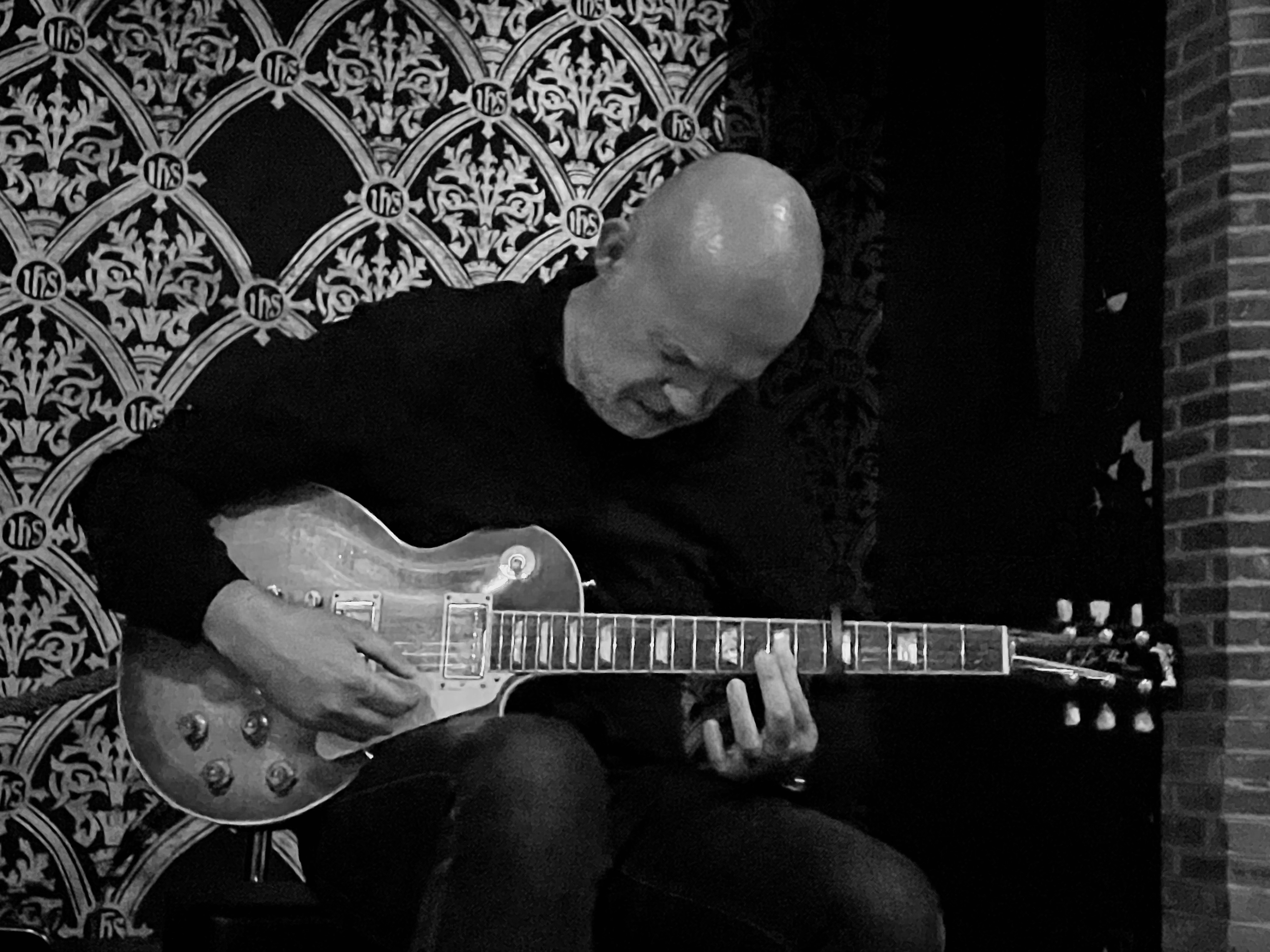


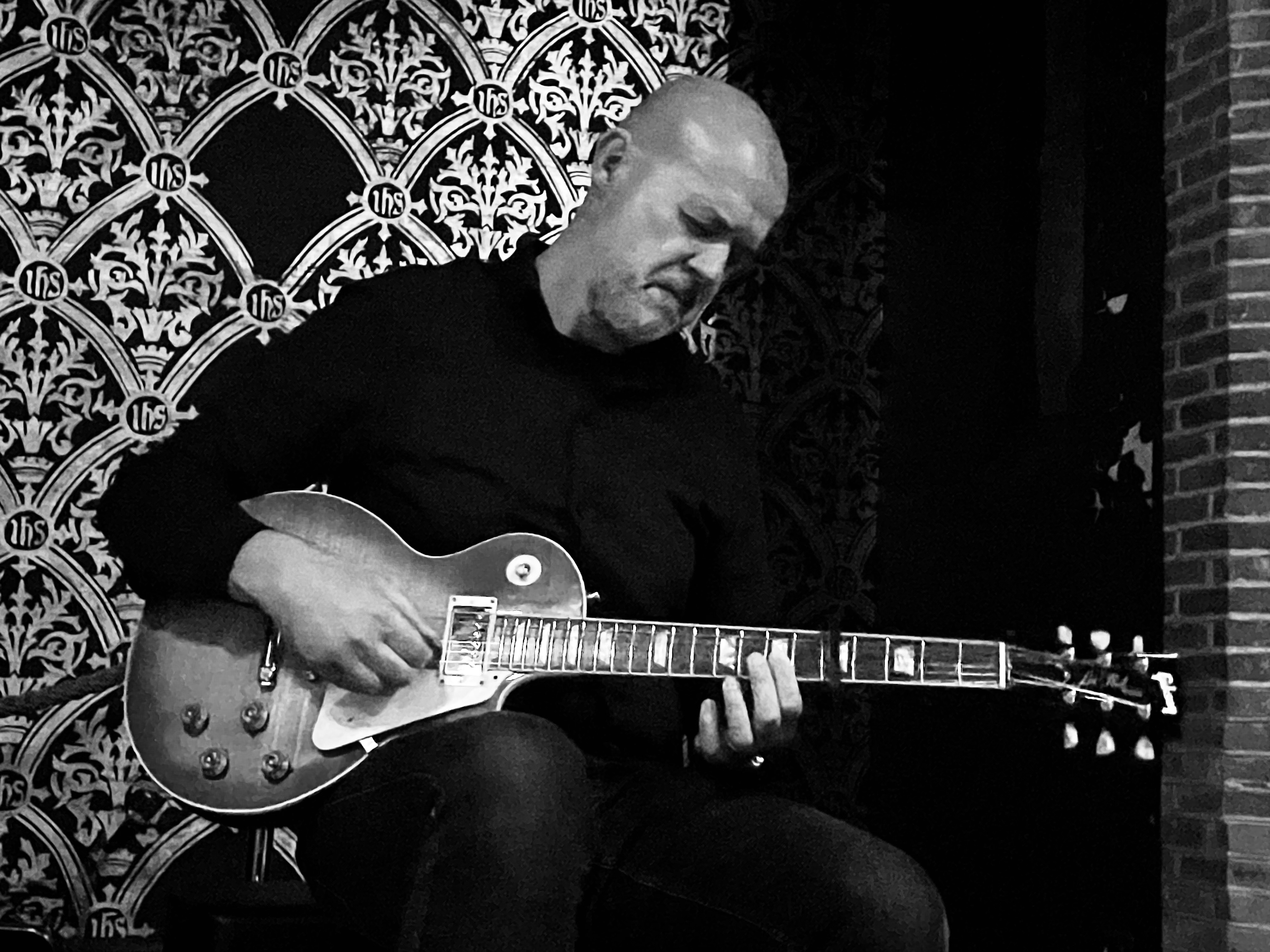
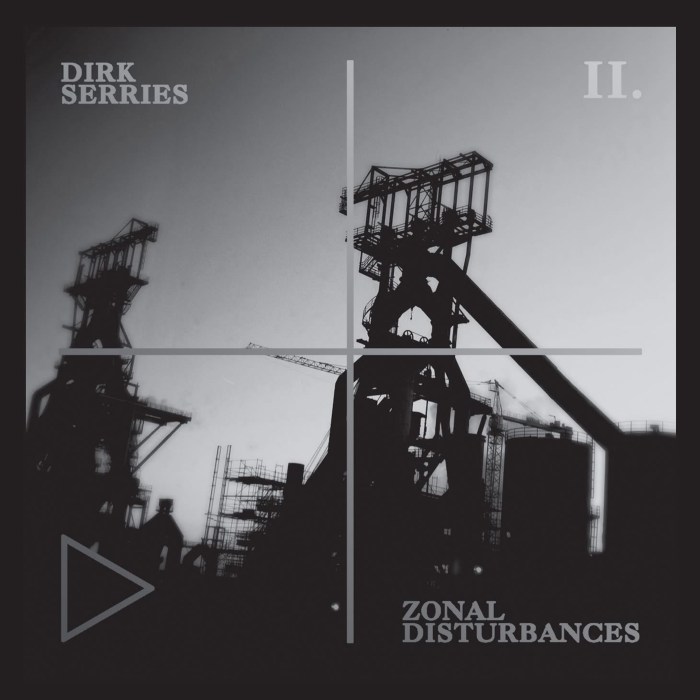



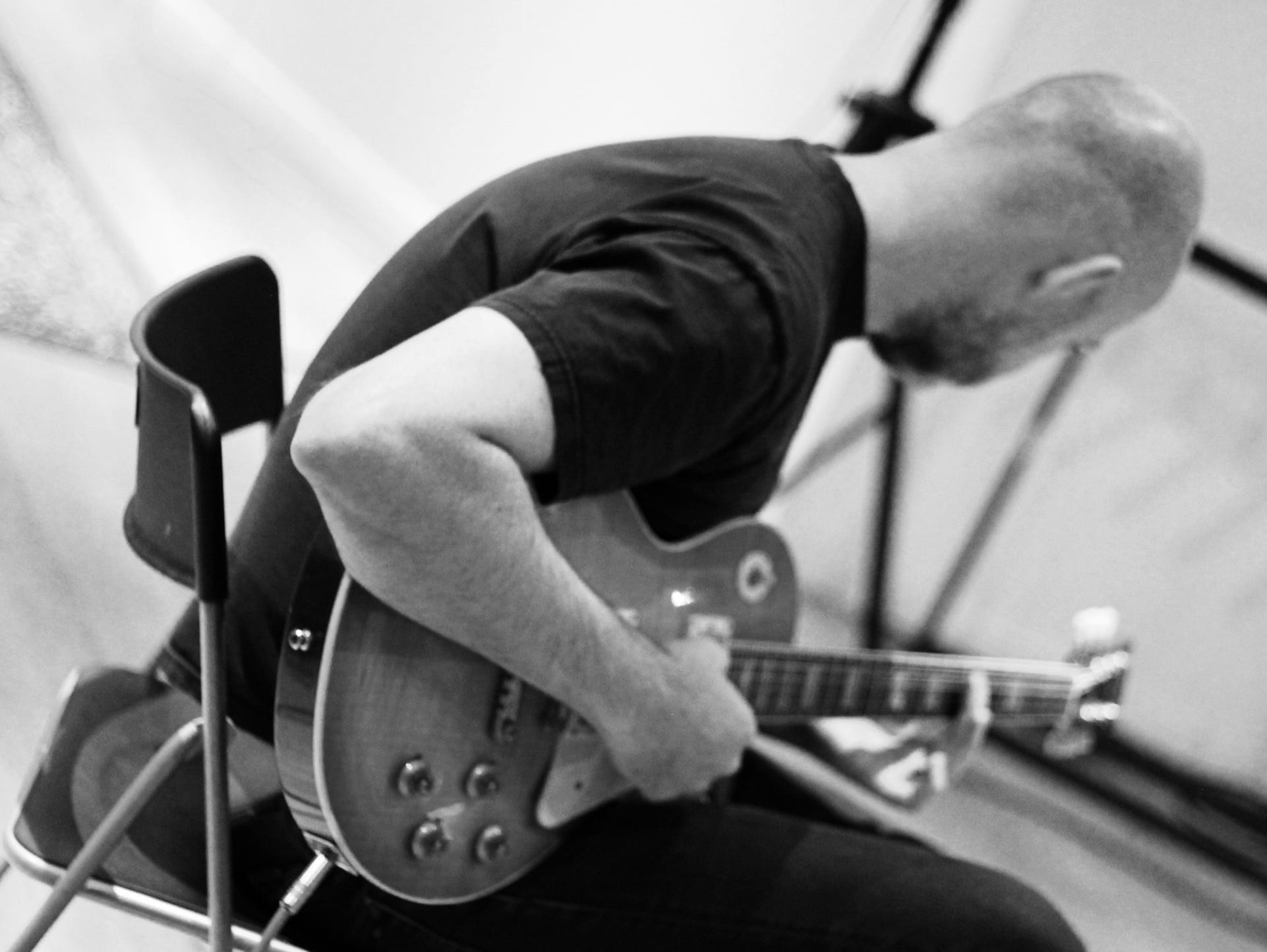
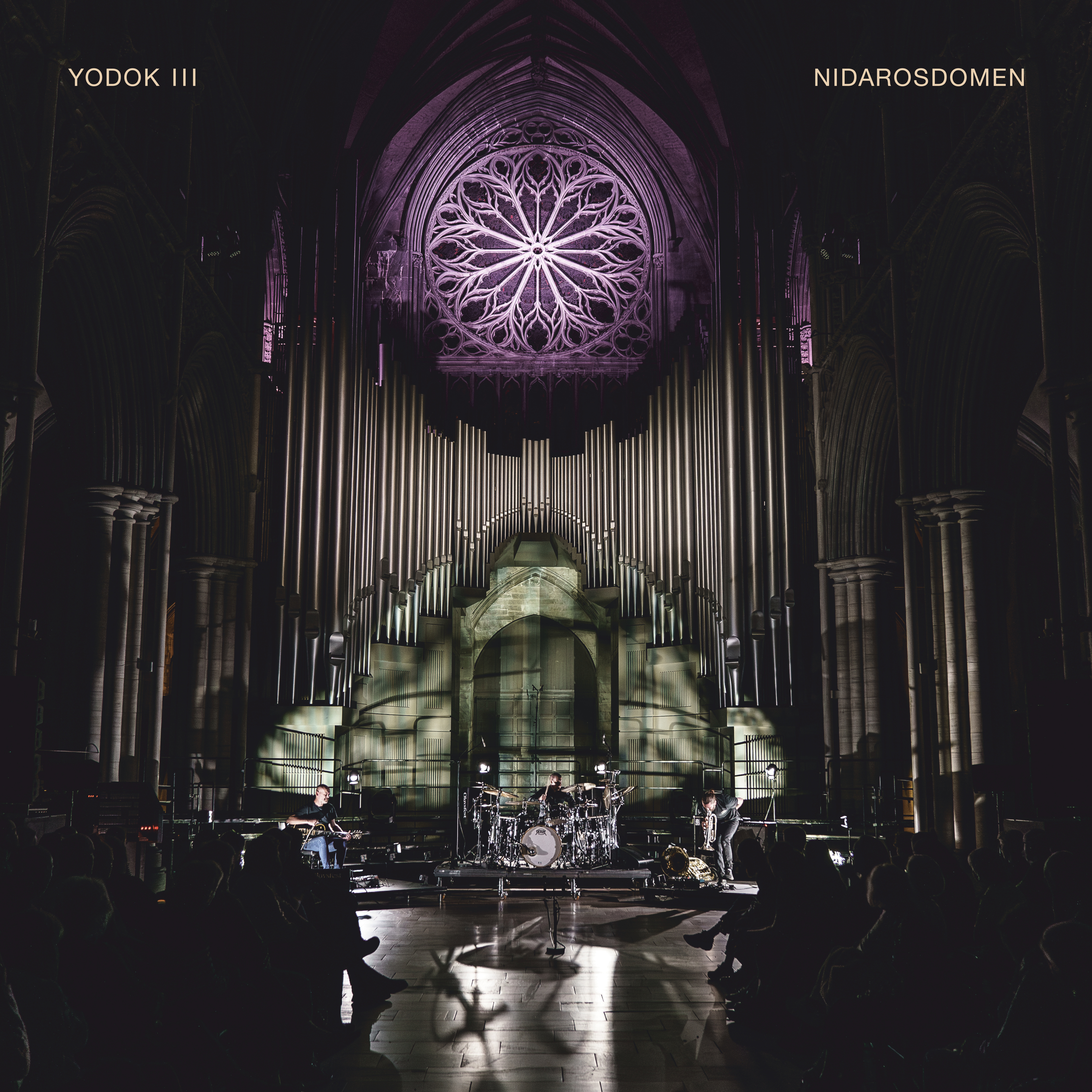
 dirkserries.com