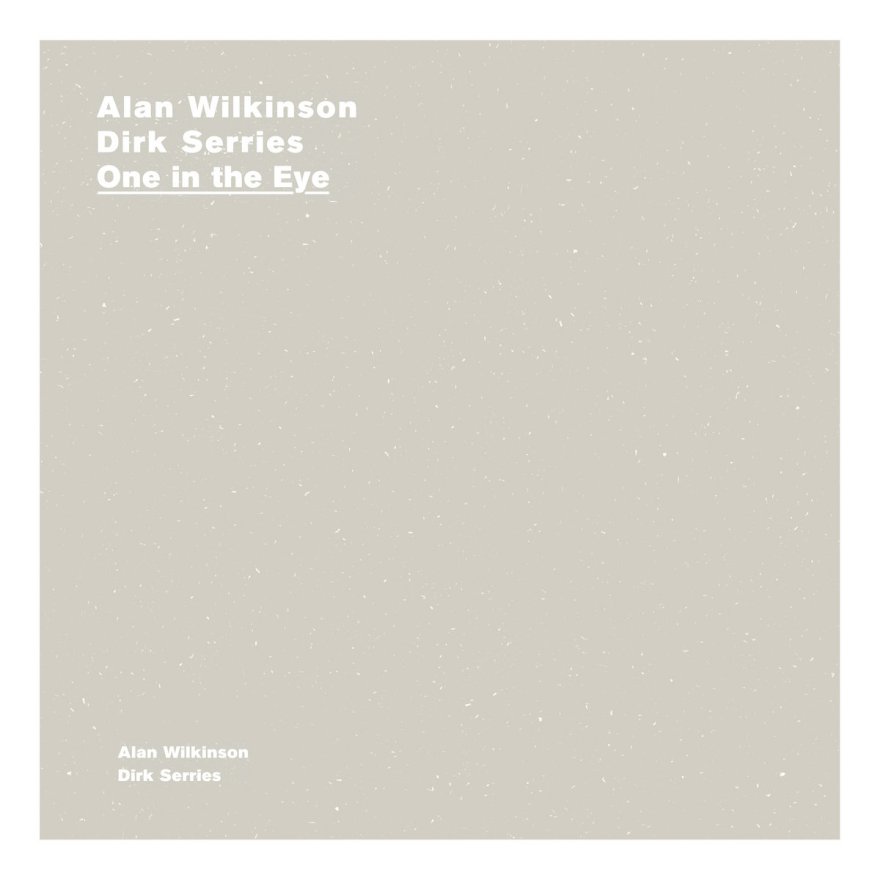
BBC 3’s excellent FREENESS radioshow, presented by Corey Mwamba, played a piece from ALAN WILKINSON & DIRK SERRIES ‘One In The Eye’ double album, released on May 3rd. Beautifully introduced by Corey with a perfect description. Listen to this excellent episode.
A NEW WAVE OF JAZZ is not about jazz music, persé, but more about a philosophy. A style, an approach, a modus operandi in communicating between artists, label and audience. A platform for all experiments and sound exchanges between the affiliated musicians on the label, from full-on free improvisation to minimalism. However this creativity lives between the cracks and is fully DIY so we’re setting up this VIP membership for the devotees among you.
Your membership will help us to support future releases, concerts and projects. In return you will get access to new releases (digitally) and exclusively for members our vault of unreleased live recordings, home sessions, album outtakes and a 10% discount on merch.
These membership-exclusive recordings could be yours by pledging your support. Thank you for helping us to create this beautiful parallel world of social creativity.
Belgium’s printed magazine GONZO CIRCUS just reviewed ALAN WILKINSON & DIRK SERRIES’ One In The Eye (2cd) we just released and it’s a fantastic one. Album is available through our webstore or bandcamp.
“Dirk Serries’ A New Wave Of Jazz begint stilaan op een mooie inventaris van de Europese hedendaagse vrije improvisatie te lijken. Het release tempo gaat gestaag omhoog, met tien releases in 2019 en twaalf in het jaar dat de wereld stilstond. En kijk, ook voor 2021 staat de teller alweer op vijf.Op ‘One In The Eye’ ontmoet Serries twee cd’s lang Brits rietblazer Alan Wilkinson, die onder andere met Derek Bailey, Konstrukt en Talibam! Speelde, maar ons eeuwig zal bijblijven vanwege The Founder Effect, een kwartet dat in 2018, geruggensteund door J. Spaceman – rücksichtslos het dak eraf speelde op het Summer Bummer festival. Niets van dat soort pijngrensverkennend werk op ‘One In The Eye’. Dat Serries zich tot onversterkte akoestische gitaar beperkt, heeft wellicht geholpen, maar het moet gezegd dat Wilkinson ook in dit register opwindende klanken en een ronduit mooie toon weet te produceren. Op de eerste cd krijgen we acht betrekkelijk korte studio-opnamen – vaak licht, speels en lyrisch, met hier en daar verkenningen van de sonische mogelijkheden van het instrumentarium maar soms (‘In The Long Run’, ‘Pull The Other One’) ook full-on stronk, met als extraatje Wilkinson die geloofwaardig-bezeten naar de maan blaft. Schijf nummer twee is de jiveset die het duo speelde op het Londense New Wave Of Jazz festival in januari 2020 : twee tracks met een langere concentratieboog, maar weer met die mooie combinatie van melodieuzere passages, extended techniques, geflirt met de combinatie zorgvuldige dynamieksopbouw en verrassende uithalen en zelfs – maar we kunnen ons uiteraard vergissen – een droney passage waarbij we onwillekeurig aan Serries’ ambientverleden moesten denken.” Gonzo Circus – Belgium
Also SPONTANEOUS MUSIC TRIBUNE (Poland) reviews all 3 releases, we are releasing officially on May 3rd. Lovely imaginative reviews as always by Polish frontrunner in free impro and free jazz Andrzej Nowak.
Wilkinson & Serries! Ganga & Marogna! Gerard! Three new ones from A New Wave Of Jazz!
Belgijski label A New Wave Of Jazz, prowadzony przez gitarzystę Dirka Serriesa, od lat pracuje na markę jednego z najważniejszych wydawców europejskiej muzyki improwizowanej i jej bliższych lub dalszych okolic. Zauważmy wszakże, iż wbrew samej nazwie owej inicjatywy, wydaje się, że rzeczonego jazzu jest w niej akurat najmniej. Być może muzykiem, który tegoż jazzu sytuuje najwięcej na płytach labelu jest brytyjski weteran gatunku, Alan Wilkinson.
Wiosenna porcja nowości NWOJ dostarcza nam m.in. nagrań z udziałem rzeczonego saksofonisty (w duecie z dyrektorem wydawnictwa!), a także dwie płyty z udziałem muzyków, którzy w labelu debiutują. Zapraszamy zatem na trzy świeże wypieki ze sporą porcją wysokogatunkowej śmietanki.
Alan Wilkinson & Dirk Serries One In The Eye
Zaczynamy od spotkania znamienitych postaci europejskiej muzyki, przy okazji artystów, który razem grali na tyle dużo razy, iż ich doskonała wzajemna komunikacja nie powinna stanowić dla nas zaskoczenia. A zatem: Alan Wilkinson – klarnet basowy, saksofon barytonowy i altowy, także głos oraz Dirk Serries – gitara akustyczna. Dwa spotkania muzyków skomponowane na dwóch dyskach – pierwsze studyjne (Sunny Side w Anderlechcie, listopad 2019 roku), drugie koncertowe (Hundred Years Gallery w Londynie, styczeń 2020 roku) – łącznie 10 improwizacji, 92 minuty z sekundami.
Część studyjna, ośmioczęściowa, trwa niemal pełną godzinę zegarową i lśni całą paletą możliwości obu muzyków, a zwłaszcza saksofonisty, który korzysta z trzech instrumentów, ale jak doskonale wiemy, nade wszystko jest mistrzem barytonu, który w jego ustach potrafi brzmieć czasami jak … alt. Często w trakcie odsłuchu recenzent długo zastanawiał się, jaki saksofon gra dla nas te akurat piękne dźwięki. Muzycy proponują nam bardzo swobodne improwizacje, osadzone z jednej strony w jazzowych korzeniach, z drugiej – w post-baileyowskiej awangardzie. Pierwsze dwa utwory grane są przez Wilkinsona na saksofonie altowym. Artyści snują na ogół dość separatywne wątki, ale każdy wydawany dźwięk wchodzi w dobrą relację z działaniami interlokutora. Wzajemne imitacje są tu raczej rzadkością, ale kiedy do nich dochodzi, narracja bez trudu daje nam to, co najlepsze. W kolejnych dwóch częściach na studyjnej scenie pojawia się klarnet basowy. Najpierw muzycy kreują coś na kształt dead ballad, mruczą na siebie i stawiają sobie coraz ambitniejsze wyzwana. Gdy podkręcają tempo, wykazują się dużą swobodą dramaturgiczną i techniczną gibkością. W wielu momentach sięgają po preparowane dźwięki, zwłaszcza gitarzysta, który masywności dużego klarnetu stara się przeciwstawiać zwinność i bystrość granych przez siebie fraz.
W kolejnych trzech improwizacjach Wilkinson sięga po baryton i stawia kolejny stempel na zaświadczeniu, iż w tej dziedzinie próżno szukać mu konkurentów na Starym Kontynencie. W piątym utworze na zamglone drony barytonu Serries odpowiada systematycznym rozciąganiem, czy wręcz rozrywaniem strun. Muzycy serwują nam całą plejadę efektownych fonii, czyniąc ów utwór bodaj najlepszym momentem dwupaku. W następnej części baryton, dla odmiany, stara się być lekki, taneczny, frywolny i gotowy na każde wyzwanie. Opowieść toczy się od ekspresji free jazzu, po tłumione emocje post-chamber. Jest powolna śmieć, jest życiodajny, jurny galop. Pojawiają się wreszcie dźwięki wprost z gardła muzyka, które zlepione z frazami dęciaka tworzą foniczne realia jedyne w swoim rodzaju. Niedługo potem baryton sięga po naprawdę wysokie skale i uroczo śpiewa na tle gitarowych, bystrych przygrywek. Są, i niedźwiedzie pomruki i kocie piski – king of the baritone! Na finał części studyjnej Alan powraca do saksofonu altowego. Preparuje instrument, podczas gdy Dirk piłuje struny ostrymi krawędziami. Trochę śpiewu, kilka westchnięć i półgłosów, w tle minimalistyczna gitara. Na zakończenie intensywność gry znacząco wzrasta, a całość zdaje się pachnieć post-bluesem dla oszalałej garstki freaków.
Koncert zamieszczony na drugim dysku trwa niewiele ponad dwa kwadranse i składa się z dwóch epizodów. W pierwszym z nich Wilkinson sięga po klarnet basowy. Narracja od startu nabiera pewnej dramaturgicznej chybotliwości. Dęciak snuje się leniwie od pszczelego warkotu po ptasie zaloty, a lekka, zaczepna gitara, choć bardziej stabilna emocjonalnie, samymi preparacjami jest w stanie zawładnąć sceną. Opowieść ma kilka faz – najpierw, to ocean sprytnych subtelności i urokliwych short-cuts, potem przedmorze ciszy z lekkimi podmuchami dęciaka i strunami, które muzyk precyzyjnie szoruje, wreszcie wzgórza wzmożonej ekspresji, gdy narracja zdaje się intrygująco krążyć wokół meta rytmu budowanego przez repetujący klarnet. W drugiej części koncertu na scenie pojawia się nasz ulubiony baryton. Najpierw snuje efektowne drony na tle szeleszczącej gitary. Oczywiście pojawiają się dźwięki wprost z gardła saksofonisty. Śpiewne frazy, dramaturgiczne zadziory i cała masa gitarowych zasieków, które zwinnie kreują emocje i nie zostawiają dużo miejsca na zbyt refleksyjne zachowania. Muzycy posyłają nam kilka post-freejazzowych grepsów i większą dynamikę, która swoje maksimum lokalne zdaje się osiągać na sam koniec koncertu.
Arvind Ganga & Riccardo Marogna Ballads From The Wrecked Ship
Kolejny dziś duet, to także gitara, ale elektryczna (z obiektami!) i dęciak – saksofon tenorowy i klarnet basowy (doposażone w elektronikę). W holenderskiej Hadze, w miejscu zwanym Helicopter, pod koniec listopada 2018 roku spotykamy dwóch intrygujących muzyków. Pierwszy, to nasz dobry znajomy Arvind Ganga, drugi zaś, to trybunowy debiutant Riccardo Marogna. Zagrają dla nas siedem swobodnych improwizacji, których odsłuch zajmie nam 41 minut i 47 sekund.
Ganga i Marogna zabierają nas do świata swobodnej improwizacji, która bazuje na żywych instrumentach, ale świetnie łączy ich dźwięki z plamami syntetyki i innymi zdobieniami, które może dostarczyć rozważnie wykorzystywana elektronika. Płyta jest bardzo ciekawie skonstruowana pod względem dramaturgicznym. Pierwsze trzy improwizacje zdają się stawiać na dość masywne, chwilami intensywne frazy (jakkolwiek muzycy rzadko puszczają wodze ekspresji lub tym bardziej hałasują), czwarta zaś część zbudowana jest niemal z samych syntetycznych dźwięków i stanowi intrygujący kontrapunkt. Ostatnie trzy improwizacje, choć budowane z tych samych elementów składowych, jak trzy pierwsze, wydają się na ich tle wyjątkowo filigranowe i tkane z samych niemal drobiazgów.
Pierwsza improwizacja kreowana jest przez syczący, preparowany saksofon, który po pewnym czasie ustępuje miejsca klarnetowi basowemu (trzymanie klimatu, to ważna rzecz dla tych muzyków) oraz gitarę z ołowianymi, szorstkimi, jakby niedostrojonymi strunami. Muzyka toczy się leniwie, ale gęsta jest od żywych dźwięków, a także udanych elektronicznych wstrętów, które podkreślają brzmienie dęciaka i gitary, czasami zaś wydają się być ich echem, efektem live processing. Druga część pogłębia jeszcze proces fonicznych dekonstrukcji, przypomina nerwowy dialog kochanków, pełen szumów, półfraz, strachu przed wypowiadaniem złych treści, tudzież elektrycznych oddechów i dętych wyziewów. Uwięziona psychodelia, strzępy ekspresji, które wybuchają jakby mimochodem. Kolejna część przypomina leniwego, martwego bluesa. Saksofon wchodzi do gry po niemal dwóch minutach i pośpiewuje zalotnie. Duetowe gorzkie żale, które dopiero pod koniec dodatkowo zdobione są plamami syntetycznych dźwięków. Anonsowana już wcześniej środkowa część płyty zbudowana jest z gitarowych przesterów i chwilami niemal plądrofonicznej elektroniki. Jedynie na sam koniec improwizacji dociera do nas dźwięk szorowanych strun i uderzania po metalowych powierzchniach.
Ostatnie trzy improwizacje kreowane są przez drobne, chwilami wręcz delikatne frazy. Część piąta nie korzysta ze wsparcia elektroniki. Żywe, spokojne frazy saksofonu i gołe, wychudzone struny gitary. Opowieść klei się z kantów i zadziorów, ale nie eskaluje natężenia dźwięku. Szósta opowieść, to gra na małe pola, którą zdobi intensywny pogłos. Preparowane dźwięki klarnetu basowego niesione są wartką poświatą elektroniki. Gitara także preparuje dźwięki, a na zakończenie nerwowo pulsuje. Wreszcie finał tej wyjątkowo smakowitej płyty – szum z tuby, gitarowe short-cuts, akcenty post-percussion, zapewne z wykorzystaniem metalowej obudowy dęciaka. Same drobiazgi, pikantne, efektowne szczegóły.
Pierre Gerard Pieces Of Apparatus
Na koniec spotkania z nowościami NWOJ zapraszamy na improwizację na gitarę solo (opis płyty nie wskazuje na instrumentarium, jesteśmy zatem zdani jedynie na dobre ucho recenzenta) w wykonaniu Pierre’a Gerarda, muzyka, jak wieści liner notes, znanego lokalnie (czyli w Belgii), bardzo niszowego i dalece minimalistycznego we wszystkim, za co bierze się w dziedzinie działań artystycznych. Muzyk proponuje nam pięć długich improwizacji, które trwają łącznie 53 minuty, a które powstały w styczniu 2019 roku (miejsce akcji także nieznane).
Dla miłośnika improwizowanych emocji, tudzież strumieni niczym nieskrępowanej ekspresji, obcowanie z minimalistyczną muzyką Gerarda jest doprawdy dużym wyzwaniem. Obok chwilami specyficznie brzmiącej gitary (akustycznej z amplifikacją, elektrycznej, ale z małym prądem?) pełnoprawnym aktorem tego nad wyraz leniwego spektaklu (performansu?) jest także … cisza. Jeśli zliczyć wszystkie porcje ciszy umieszczone pomiędzy improwizacjami, a także w ich trakcie, z pewnością doliczylibyśmy się dziesięciu minut, jeśli nie więcej. Ale cóż, obowiązki recenzenta wzywają, zajrzyjmy do środka albumu Pieces Of Apparatus.
Drżąca gitara, która wydaje się nietypowo zestrojona, wydaje pojedyncze dźwięki, czasami lepi je w pół akordy, czasami w pełne akordy. Dźwięki wybrzmiewają i powracają w stanie nienaruszonym. Czasami to ledwie molekuły, drobinki, innym razem większe strzępy fonii, niepozbawione usterek, kiksów i celowych zniekształceń. Muzyk w tej minimalistycznej zabawie bywa udanym naśladowcą pewnych strategii improwizacyjnych Dereka Baileya, bywa także dalekim korespondentem post-folkowych bardów, którzy zagubili drogę na bezkresnej prerii. Wszystko wszakże realizuje na dużym luzie, jest w punkowym stylu niechlujny, nieprzywiązany nadmiernie do formy i ostatecznego kształtu improwizacji. Wraz z rozwojem leniwej sytuacji scenicznej w narracji Gerarda pojawia się coraz więcej ciszy, a jej plastry potrafią, zwłaszcza na początku danej części, trwać więcej niż minutę. Po dwóch kwadransach takiej lekcji cierpliwości, opowieść zaczyna nużyć. Przypomina muzykę, która zdaje się osiągać stan agonii. Dźwięki umierają lub powtarzają się z artystycznym uporem, godnym lepszej sprawy. Frazy przybierają coraz delikatniejsze, wręcz filigranowe formy, ale wiemy, iż Pierre Gerard mógłby je grać bez końca.
Belgian webzine ENOLA reviewed our 3 new albums. Tomorrow, by the way, ends our pre-order bundle price for these new albums. Get it here or here.
3x New Wave Of Jazz ::
Er zijn zo van die labels die koppig hun eigen ding blijven doen, los van hypes of de waan van de dag. Labels die aandacht geven aan muzikanten die zich in de marge ophouden. Zo ook het Belgische New Wave Of Jazz, bestierd door gitarist Dirk Serries. Op drie nieuwe releases krijgt de muzikale avonturier wederom waar voor zijn of haar geld.
Arvind Ganga & Riccardo Marogna :: Ballads From The Wrecked Ship
Beide muzikanten zijn al enige tijd actief in de improv scene van Den Haag, maar toch is dit pas de eerste keer dat ze een gezamenlijk album uitbrengen. Gitarist Arvind Ganga verwerkt de meest uiteenlopende invloeden in z’n muziek, van noise tot Noord-Indische raga’s, en is actief in allerhande muzikale bezettingen – voornamelijk duo’s – waarbij Onno Govaert (Cactus Truck) waarschijnlijk de bekendste van z’n muzikale partners is. Saxofonist Riccardo Marogna is oorspronkelijk afkomstig uit
het Italiaanse Verona, maar ondertussen al een tijd actief in Nederland. Net als Ganga is hij betrokken bij allerlei projecten (onder andere met Seppe Gebruers en Gonçalo Almeida) en daarnaast zit hij in de muzikale academische wereld. Naast saxofoon en basklarinet verwerkt hij elektronische effecten in z’n muziek.
Op Ballads From The Wrecked Ship gaan beide heren met elkaar in een compromisloze dialoog. De muziek is vaak erg abstract, een samenspel van rustige stukken en momenten vol chaos. Het ene moment zitten Ganga en Riccardo verdiept in gefriemel en gekraak, om daarna uit te pakken met puntige energiestoten. Op “Phantoon” laat het duo de pretentie van ‘muziek’ ver achter zich, maar daartegenover staat dan “The Limp Leaves Waited For Rain, While The Black Clouds Gathered Far Distant, Over Himavant”, waar het duo onder impuls van Ganga een gedeconstrueerde vorm van americana brengt.
Ondanks die eerste samenwerking voelt het samenspel tussen Ganga en Marogna meteen heel opvallend natuurlijk aan. Dit zijn verwante, zoekende zielen. Geen eenvoudig te behappen muziek, maar voor wie zoekt naar iets dat de traditionele paden radicaal achter zich laat, heeft dit album heel wat boeiends te bieden.
Pierre Gerard :: Pieces Of Apparatus
De Belg Pierre Gerard is een muzikant die zich ophoudt in de marge van de vrije improvisatie, een genre dat zelf al een kleine niche inneemt. Gerard gaat intuïtief te werk en is vooral in de weer met akoestische instrumenten en gitaar, en allerlei (bij voorkeur houten) objecten. Hoewel
hij al een hele reeks albums uitbracht, gebeurde dat veelal op heel erg kleine labels of in eigen beheer, vaak in zeer kleine oplagen.
Er is het befaamde citaat van Miles Davis waarin hij stelde dat stilte belangrijker is dan geluid in muziek. Het is een denkwijze die Gerard bijna tot in het extreme doortrekt. Niet alleen is er tussen de verschillende nummers telkens weer een lange stilte, ook tijdens de vijf stukken waaruit Pieces Of Apparatus bestaat is die stilte alomtegenwoordig. De nummers bestaan uit eenvoudige, schijnbaar los van elkaar staande op gitaar gespeelde noten. Het zijn stuk voor stuk hermetische stukken – met mysterieuze titels als “En Plein Rose d’un Bois Lisse”– waarin Gerard de luisteraar uitdaagt.
Veel structuur of houvast krijg je hier niet. Dit is zoals ambient in slow motion, waarbij Gerard de individuele noten als het ware savoureert. Zelfs binnen de context van de catalogus van het label is deze Pieces Of Apparatus een uitdagende sessie.
Alan Wilkinson & Dirk Serries :: One In The Eye
De derde plaat is een samenwerking tussen gitarist (en labelbaas) Dirk Serries en rietblazer Alan Wilkinson. Beide heren speelden al eerder samen op een release van het label, met name op Double Vortex, waar ze deel uitmaakten van een kwintet dat verder nog bestond uit Andrew Lisle, John Dikeman, en Colin Webster. De Brit Wilkinson is een centrale figuur binnen de Britse geïmproviseerde muziek die in het verleden samenspeelde met artiesten als Thurston Moore en Peter Brötzmann.
One In The Eye bestaat eigenlijk uit twee in elkaars verlengde liggende delen: een dat in de studio werd opgenomen en een concertregistratie van een optreden in de Londense Hundred Years Gallery in januari ‘20.
Eerder dit jaar bracht Serries al voor de eerste keer een volledig op akoestische gitaar ingespeeld soloalbum uit en ook hier doet hij het volledig akoestisch. Hoewel Wilkinson erom bekend staat om een orkaan van kracht te zijn, houdt hij die oerkracht hier in bedwang. Het soms hoekige, scherpe gitaarspel van Serries is knap verweven met de saxofoon en basklarinet van Wilkinson, die soms schriel klinkt om dan even later alweer warm aan te voelen.
In tegenstelling tot de andere twee releases schrijven Wilkinson en Serries zich hier wel in ineen halve eeuw free jazz-traditie. De muziek is een zoektocht tussen melodie en dissonantie, waarbij de heren vol overgave – getuige de schreeuwende vocalen van Wilkinson op “Pull The Other One” – op zoek gaan naar een uniek geluid. Het is niet altijd een geval van vol gas geven (“Hand Over Fist” is bijvoorbeeld een behoorlijk rustig nummer), maar het resultaat is een plaat die tegelijk vertrouwd en uitdagend aanvoelt. Een visitekaartje van twee muzikanten voor wie stilstaan achteruitgaan is.
UK’s MUSIQUE MACHINE reviewed two of our releases : the slightly-overlooked IMAGINARY JUNCTION by quartet WARD/VERHOEVEN/SERRIES/ROBERTS gets a raving review with a 4 out 5 rating ! and new album ‘PIECES OF APPARATUS’ by PIERRE GERARD. Of course the albums are still available from our webstore.
“4 out of 5 rating ! Imaginary Junction presents the listener with two lengthy and eventful slices of improvising- that nicely flip ‘n’ flop between busy manic-ness, and more atmospheric strolls and crawls. The CD brings together the talents of Cath Roberts- baritone saxophone and objects, Dirk Serries- acoustic guitar, Martina Verhoeven- piano, and Tom Ward- flute, Clarinet and bass clarinet.
The two tracks were recorded in July of last year- and due I’m guessing to Covid it was recorded in two separate locations Brockley in the UK, and Sint-Lennaarts in Belgium. With the players being able to hear each other in real-time. And really you wouldn’t know it was done in this way, as all four players bounce off and reacting to each other very well, for two very involving and rewarding tracks that are alive with both invention and shifting mood/ atmospherics.
The two tracks are simply entitled Part One and Part Two- with each rolling in near the half-an-hour mark, for a total release playtime of sixty minutes. “Part One” opens with a mix of rapidly darting and strumming guitar, and snaking rustle. Fairly soon both piano and flute enter, with the sax, also joining in too- together the instruments create an intricate and vibrate soundscape, which feels both manic and playful. As we move on things start to shift down, then up again in gears- as go from moody warbling horns, edged by slowed atmospheric scapes, and darted by dramatic piano key. Back to suddenly shifting and flitting blends of the instruments- sometimes with all playing at the same, at others with just two players.
Moving onto “Part Two”, and we begin with a mixture of forking and weaving horn work, and tempered textural creaks. As we progress we find bounding low-end piano tones coming into looping play, as well as more layers of horn bay and scream. Later on, we shift onto melancholic drifts of piano notations, drifted by smoky honks, shimmering neck slides, jittering object detail and moody flute trails. Moving onto doomy horn drags, gloomily low piano key shifts and sinister textural fiddles. With the track finishing on a more manic and wacky, but still a little shady tip with a mix of rapid scabbing horn and guitar neck work over glumly tolling piano tones.
I must say I enjoy most of what the New Wave Of Jazz label puts out, but I have to say Imaginary Junction is a real corker of a release, with this four-piece really weaving some wonderful improvised magic. So if you enjoy rewardingly shifting improv, that moves between detailed manic-ness and more atmospheric fare.”
“Pieces Of Apparatus severs up five examples of extremely sparse and often spaced-out improv for guitar- with all the tracks unfolding in both a jaggedly wondering, dartingly inventive, and largely rewarding manner. Here on the New Wave Of Jazz label is CD release, presented in the labels house style packaging of a white and grey box gatefold, that features a worthy write-up about both Gérard work in general and the pieces offered up here.
Pierre Gérard is based in Liège, Belgium- and has been releasing work since around 2008. He’s so far ( according to Discogs) racked up around twenty releases- with seemingly most of these been full-lengths. Pieces Of Apparatus is my first taster of his work, and I must say he has a rather distinctive sound that feels both wondering, that also purposeful.
As a release Pieces Of Apparatus runs at spot on the fifty-three-minute mark- with each of the tracks hitting between three and fifteen minutes, though mostly they hit around the ten minute plus mark. Each of the tracks here features a similar sparse, spidery, and just amplified guitar tone- so while there’s not a lot of different sounds/ tone at play here, Gérard does manage to make each track have its own identity/ quirks.
The album opens with “Formé Sur Un Bois De Rose Pâle”( Formed On A Pale Rosewood)- this is the longest piece here at just over fifteen and a half minute. It’s built around a blend of choppy ‘n’ darting picks, points of slight reverb, with more fleeting moments of tap ‘n’ hack, tighter and smaller string scrubs, and higher-pitched neck fumbling. The track feels both nervy and awkward- yet at the same time wonkily spritely and strangle appealing in its jaggedly spaced flow.
By track three we come to “Miniature En Poudre Pratique” (Practical Powder Miniature) where we find three and a half minutes worth of slow placed almost waltzing picks, low-key reverb hover, and a few more wailing/ sour points. The album plays out with the just over eleven minutes of “Emprunté A La Transparence D’une Forêt Sans Rose” (Borrowed From The Transparency Of A Forest Without Rose) which is all about sourly hazing-yet oddly warming clusters of note strums and string hovers- managing to feel both awkwardly fragile-yet- at the same time strangely heartfelt too.
All in all Pieces Of Apparatus offers up a good selection of Mr Gérard decidedly unique take on guitar-based improv. Let hope the release leads to more folk hearing his work, as there is no doubt he has a very one-off and largely worthy take on the improv, which I know will appeal to those looking for something a little different.”
Our latest releases are featured on some excellent radioshows/mixcloud mixes. The ever supportive AMBIENT LANDSCAPE presents a beautiful new mix highlighting the new releases as well refreshing pieces from a few older ones on our label. The excentric THE AMBROSIA RASPUTIN SHOW played two pieces from ‘ONE IN THE EYE’, the duo album of ALAN WILKINSON and DIRK SERRIES. Check both shows out here below. Last but not least a kind reminder for our pre-order bundle price for our latest 3 albums, expires this April 30th. Don’t miss out.
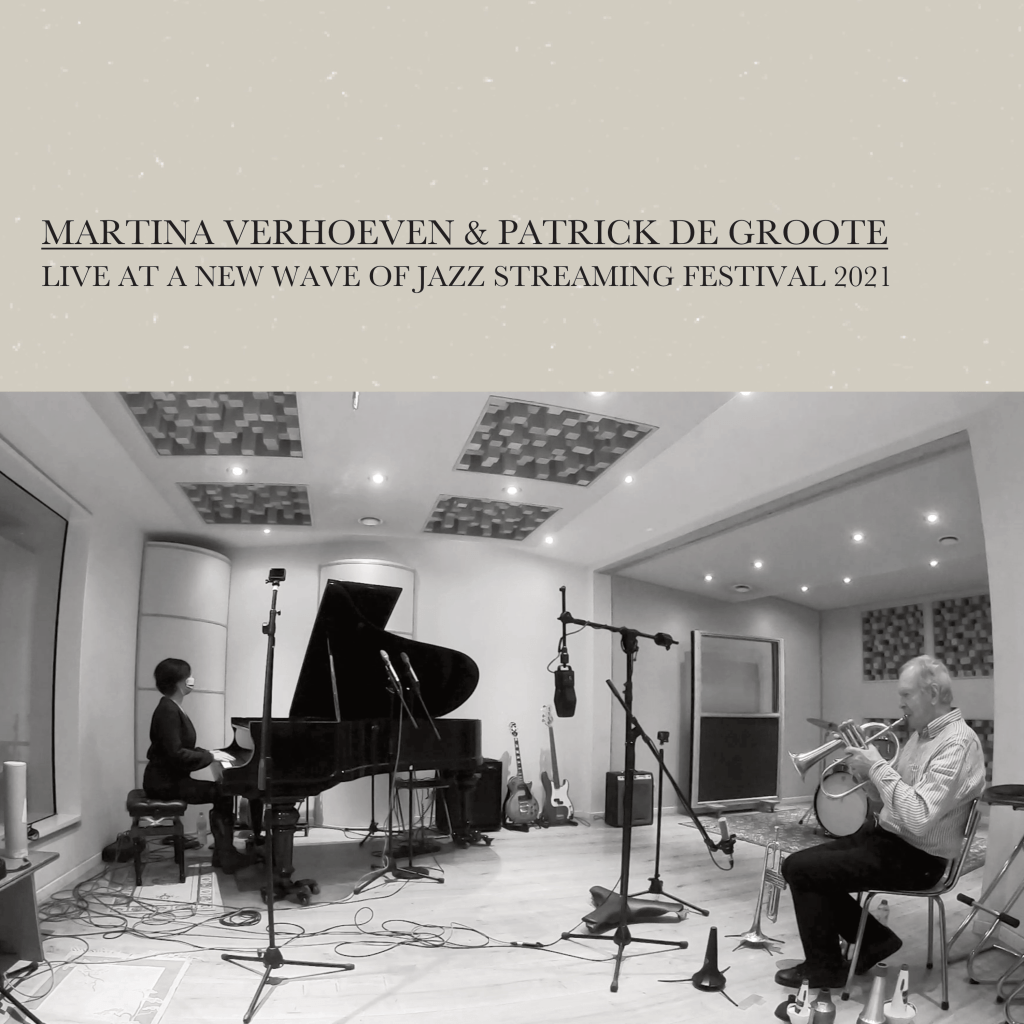
After the success of our first A NEW WAVE OF JAZZ streaming festival, thanks to the support of Flemish governement, we’ll continue filming periodically label-related live performances for our youtube channel. This time, facilitated by the Academie Voor Muziek En Woord De Noorderkempen, we proudly present the magnificent MARTINA VERHOEVEN on piano. Initially on the double bass, Martina has been focusing herself on the piano and her style is just impressive : highly intuitive, spontaneous, dynamic and just out there. This live performance contains it all, will go in premiere on our youtube channel on May 2nd 2021 at noon (CEST).
Georges Tonla Briquet wrote a lovely article on the 3 new releases for Belgian jazz magazine Jazz’Halo.
“Net zoals Keith Harring de tweespalk tussen street art en galerijwereld overbrugde, beoogt Dirk Serries met zijn label A New Wave Of Jazz pure improvisatie te introduceren bij een groter publiek. Niet door een commerciële knieval maar aan de hand van hoogkwalitatieve releases die de veelzijdigheid van het genre illustreren. Recent verschenen er wederom drie nieuwigheden. Deze keer solowerk van een gitarist-kunstenaar-fotograaf en twee duo’s (telkens een gitarist en een rietblazer).
Pierre Gerard Pieces Of Apparatus
Alhoewel het niet gaat om de catalogus van laboratoriumonderdelen is de vergelijking niet meteen zo ver gezocht. Gitarist Pierre Gerard liet ideeën en invallen de vrije loop. Uiteindelijk werd alles herleid tot vijf stukken met enigmatische titels als ‘Formé Sur Un Bois De Rose Pâle’, ‘Spécimen Dans Les Tons Proches’ of nog ‘Miniature En Poudre Pratique’.
Het is drieënvijftig minuten vertoeven in gezelschap van een muzikant die elke noot en elk geschuifel over de snaren duidelijk met voorbedachten rade speelt en uitvoert, ook al gebeurt alles onder de noemer “improvisatie”. Dergelijk minimalisme is enkel mogelijk middels een hoge graad van concentratie. Intuïtie en stilte blijven daarbij twee belangrijke polen. Het is eveneens een ingenieus spel van laten horen wat er niet is.
Luisteren naar dit album is net als je begeven op een flinterdun laagje ijs en bij elke stap het gevaar trotseren dat je erdoor zakt. Een gevoel dat Gerard zelf ook moet ondervonden hebben toen hij dit uitbroedde. Allemaal van een beeldend kunstenaar (want dat is hij ook) die een van zijn vorige werken de titel gaf ‘Je trouve Spinoza bien lucide’.
Arvind Ganga + Riccardo Marogna Ballads From The Wrecked Ship
Arvind Ganga en Riccardo Marogna laten op hun beurt horen wat een gitarist en een rietblazer samen zoal kunnen bekokstoven. Af en toe gebruiken ze daarbij andere objecten en electronics (die al eens overwegen).
‘Ballads From The Wrecked Ship’ is zeven keer afdalen in de krochten van een wereld waarin vertrouwde aanknopingspunten meteen vervagen eens je ze benadert. Beiden verheffen het tot een aparte kunst om de luisteraar telkens te leiden en te misleiden. Ze lokken je naar ogenschijnlijk vertrouwde bestemmingen maar onderweg lassen ze spaarzaam en uiterst functioneel afwijkingen en verrassingselementen in zodat je al snel elk houvast verloren raakt. Nooit heftig of agressief maar steeds omzichtig en regelmatig met verslavend repetitieve patronen.
Ganga en Marogna zijn bovenal meesters in het prikkelen van de nieuwsgierigheid waardoor je steeds weer toch de volgende stap zet. De openingstrack is de ideale aanzet. Een kronkelige ontdekkingstocht in het spoor van twee wetenschappers die op zoek gaan naar de meest originele fieldopnamen en die uiteindelijk eindigt met een zucht van verlichting maar ook met een drang naar meer. Een heuse shot dopamine.
Alan Wilkinson & Dirk Serries One In The Eye
Ook hier een gitarist en een rietblazer die samen elkaars invallen opvolgen, mee helpen uitbouwen en/of een andere richting geven.
Het gaat om een tweeluik waarvan het eerste deel opgenomen werd in de Sunny Side studio (29 november 2019) terwijl deel twee ingeblikt werd tijdens een concert op 22 januari 2020 in Londen. Geen electronics bij deze heren maar een zuiver akoestische benadering. De energie is er nochtans soms des te explicieter om. Niet dat ze zich outen als punkers (althans niet in hun muzikale uitwerking), toch is hun houding net wat assertiever en snediger dan bijvoorbeeld deze van Arvind Ganga en Riccardo Marogna die op ‘Ballads From The Wrecked Ship’ eenzelfde instrumentarium hanteren.
Tot een duel komt het nooit, wel porren ze elkaar regelmatig aan telkens net de afgrond te naderen waar de grote leegte heerst. Ze maken handig gebruik van ingekapselde uitglijzones waarmee ze vertrouwd raakten na jarenlange omzwervingen in de improvisatiewereld. Soms verontrustend en schokkerig, dan weer suggestief en in stilte gehuld maar nooit anekdotisch.
Door de ingebouwde stiltes is het soms moeilijk de “nummers” van elkaar te onderscheiden. Het vergroot enkel de verwondering over de techniek van Wilkinson en Serries. Niet toevallig dat een van de stukken de titel ‘Hobson’s Choice’ meekreeg. In die context is het uiterst boeiend om hun aanpak in een studio en op een podium te vergelijken.
De insteken mogen dan vanuit dezelfde grondprincipes vertrekken, live gebeurt de uitwerking nog gedetailleerder en meeslepender zij het ook wel meer verstikkend. Ook te omschrijven als een eigenzinnige toepassing van dichotomie in het immense impro-universum.”
 dirkserries.com