DIRK SERRIES & TRÖSTA – MAGNETAR (Projekt Records Digital, 2024) now available as a ‘name your price’ download here.
Belgians Dirk Serries & Trösta (the nom de plume of Nicolas Lefèvre) release their second album of ambient drone. What sets MAGNETAR apart from many others in the genre is Trösta’s melodic alto saxophone. Warmly phrased, the saxophone spreads its serene and graceful melody, washed in reverb, flowing in long, engulfing phrases. Don’t think about the jazz use of the sax but consider it as a warm analog wind instrument that moves above, underneath and along with the expansive guitar soundscapes.
Serries began the project with electric guitar and effects; performed live in the studio, he received a duet in return. The results are elaborate soundscapes: a symphony of lyricism, depth and nuance. It’s a solace drenched in melancholy and light, organically made by the hands of talented musicians. The 102-minute album expands their unique sonic universe, creating a beautiful, harmonic and moody blend. Music created on the spot showcases how naturally their two worlds blend.
AVANT MUSIC NEWS wrote of their debut, “Serries, who has also recorded and performed under his VidnaObmana and Fear Falls Burning pseudonyms, returns to his signature sound on this duo effort with Trösta on alto sax. Credited with electric guitar, Serries provides… layers of soft drones that gently reshape themselves. To this, Trösta adds plaintive and exploratory themes. Whether merging with the drones or serving a contrast thereto, these melancholy lines evoke a wistful and peaceful sadness… The result is not quite ambient, and neither dark nor light. Instead, it is a strangely moving set of long-form pieces that capture the emotions of the moment.”
LUMINOUS DASH wrote of their debut, “The two musicians produce a rich and compelling sound palette… Trösta colors the sonic swells in an impressive way with his saxophone. The duo immerses the listener in beneficial cosmic atmospheres that convey a soft timbre of melancholy.”
A subtle contrast is created between the fine, graceful brushstrokes of the saxophonist and the ever-transforming surfaces of the electric guitarist. Within a subtle cloud of sound, Trösta feels at home with his light, intimate playing as these two artists keep each other in balance walking together on a tightrope across a deep, dark chasm.
Recorded live, including all spatiotemporal effects at Sunny Side Studios between 2021-2023. Electric guitar, alto saxophone and electronics by Dirk Serries and Trösta. Mixed and mastered at Sunny Side Studios, Anderlecht.
Not on our label but something very very related to our philosophy and circle of friends.
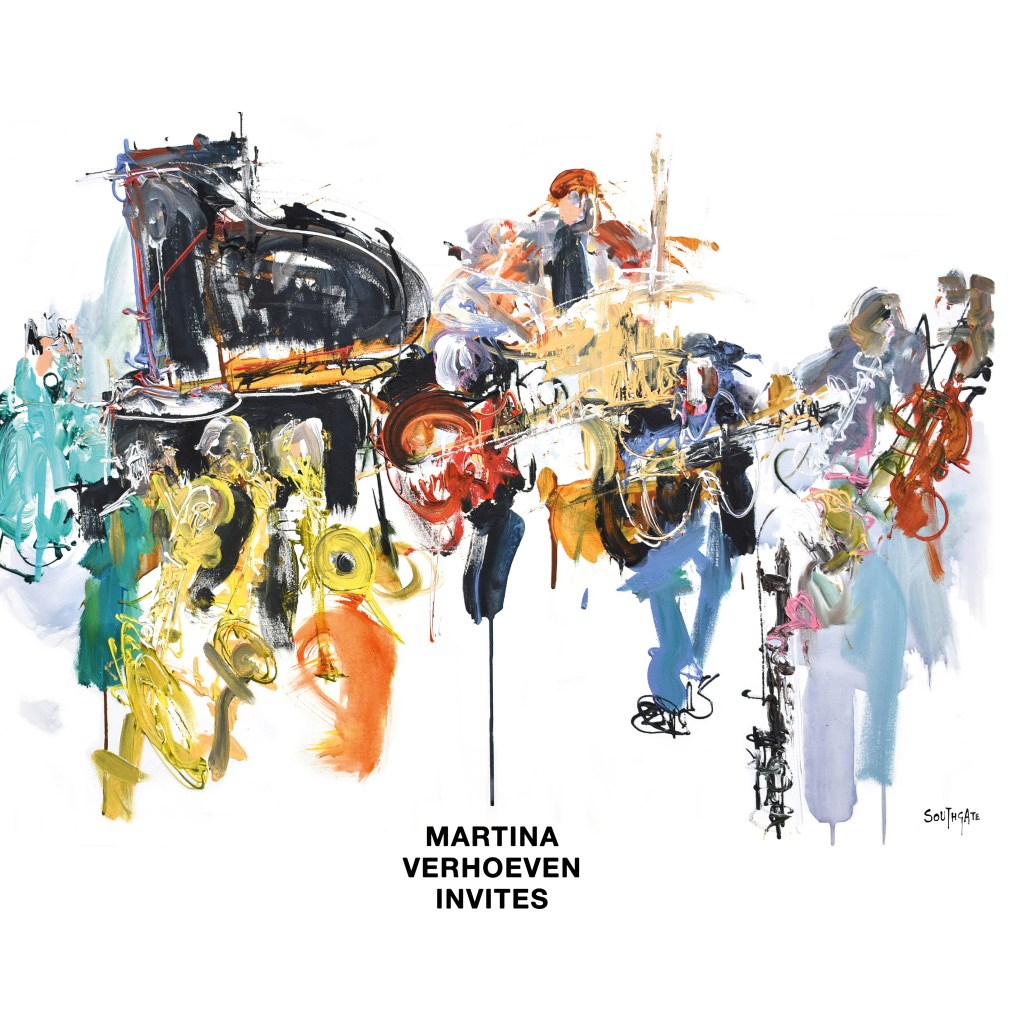
The Summer brings you a lovely surprise release. A special day required a special gathering. Belgian photographer and pianist Martina Verhoeven invited some of her kindred spirits and collaborative musicians, and hosted an afternoon of rotating configurations in the context of a full-on free impro event at the legendary CAFE OTO in London (UK) on Sunday July 23rd, 2023. Two hours of improvisations without borders, rules and/or commitments. FREE IS THE SPACE.
Due to her friendship and kindred musical understanding, the choice for Martina was easily made to let herself be accompanied by some of the best musicians in the UK free improvisation scene, with whom she already collaborated in live (UK, Belgium, The Netherlands) and recording sessions for labels like Klanggalerie, Raw Tonk Records, Fort Fruit Evil and A New Wave Of Jazz.
This unique event was captured by painter Gina Southgate. Well known on the London free music and jazz scene where she has painted live at gigs for 30 years. Gina works with the frisson of the music observing the relationship between the musician and instrument, to capture the energy and essence of the gig in the real time.
The full line-up was : Andrew Lisle : drums, Benedict Taylor : viola, Cath Roberts : baritone sax, Charlotte Keeffe : trumpet, Colin Webster : alto sax, Daniel Thompson : acoustic guitar, Dirk Serries : electric guitar, Martina Verhoeven : grand piano, Tom Jackson : clarinet and Tom Ward : bass clarinet, flute.
Pre-order now at this introductory price of 10 EUR :
After “THE DISINTEGRATION OF SILENCE“, marked as a continuation of the work between visual artist Stefano Gentile and Belgian ambient musician Dirk Serries, Dirk returns to Stefano’s Silentes/13 label with a new album, entitled “DEFIANCE OF SELF“. In the wake of its predecessor, Dirk worked on this album in January 2024 using his motherboard of pedals and an electric guitar to create this slightly darker and experimental album. Once again performed and recorded entirely in real-time, and embracing the willful character of some of his outboard pedal effects, Dirk allows them to lead direction of each piece. “DEFIANCE OF SELF” is alienating, expansive, utterly eerie and inventive, as the author continues to consolidate a new creative path that’s clearly his own. Let yourself be absorbed in this dark realm of thematic soundscapes, accentuated by the somber and melancholic ’80s style of Stefano Gentile’s photography.
ONDAROCK REVIEW : “La parabola artistica di Dirk Serries, iniziata alla fine degli anni 80 sotto lo pseudonimo Vidna Obmana, non smette di rivelarsi estremamente prolifica arricchendosi con invidiabile costanza di album solisti e collaborazioni a vario titolo. Tra queste ultime si è rinnovata lo scorso anno quella con Stefano Gentile – iniziata nel 1995 con l’uscita di “The Transcending Quest” per la sua Amplexus – attraverso la pubblicazione di un lavoro audiovisivo che vedeva affiancati i collage dell’artista veneto alle frequenze ambient del musicista belga. Ed è nuovamente l’attuale etichetta di Gentile a curare l’uscita di questo nuovo tassello. I cinque dilatati piano sequenza di “Defiance Of Self” si ricollegano direttamente alla matrice atmosferica intrisa di un chiaroscuro malinconico e desolante che tanta parte ha avuto nei capitoli migliori a nome Vidna Obmana. La chitarra è elemento unico, supportata dagli effetti, registrata e manipolata analogicamente in presa diretta. Le atmosfere perseguite sono crepuscolari, contraddistinte da un’evoluzione lenta e costante di modulazioni sature, la cui grana – soprattutto quando le screziature si fanno evidenti – conferisce un portato hauntologico preminente, veicolato anche dall’immagine sfocata e consunta della copertina. Quello plasmato è suono che si innalza tendendo a sfaldarsi (“Crumbling Sense”), ad inasprirsi fino a sfiorare la dissonanza (“Reckoning”), rendersi flessuoso ritrovando sentori enoiani (“Vigil”) per divenire riverbero di una memoria distante, che giunge da territori oscuri. Indulge fino ad essere ossessivo, disegna scenari di inquietudine in cui si rimane inevitabilmente impigliati ricordandoci quanto sia incisiva la capacità di Serries di costruire labirinti interiori profondamente elegiaci.”
VERSACRUM REVIEW : “Defiance of Self di Dirk Serries è un album che sfida le convenzioni dell’ambient, portando l’ascoltatore in un viaggio sonoro cupo e sperimentale. Il musicista belga ha sempre avuto la capacità di reinventarsi come già si poteva notare con il suo leggendario progetto Vidna Obmana. Pubblicato per l’etichetta Silentes/13 di Stefano Gentile, il disco rappresenta un’evoluzione del sodalizio artistico tra il musicista belga e il fotografo italiano. L’album, concepito nel gennaio 2024, emerge come un’opera che non solo estende la sensibilità acustica di Serries, ma ne esplora anche i confini più oscuri e inesplorati. Dirk Serries utilizza qui una combinazione di pedali e una chitarra elettrica. Defiance of Self è stato registrato interamente in tempo reale. Questo approccio conferisce all’album una qualità organica e imprevedibile, dove ogni traccia si sviluppa come una conversazione in continua evoluzione tra l’artista e i suoi strumenti. Le manipolazioni sonore si fondono e si sovrappongono, creando un arazzo acustico stratificato e complesso che è allo stesso tempo straniante e avvolgente. Serries evoca qui paesaggi sonori che sono tanto affascinanti quanto disturbanti. Le atmosfere create sono brumose e malinconiche, avvolgendo l’ascoltatore in un piacevole stato ipnotico che riesce a sospendere il tempo e lo spazio. Fin dall’iniziale “Mantle” veniamo proiettati in un’atmosfera nebbiosa e lattiginosa che evoca una natura solitaria e desolata. “Crumbling” inizia in maniera sperimentale e noise per poi sfociare con effetto siderale nel finale. “Perception” è più pacata e meditativa anche se pervasa da una tensione sotterranea mentre “Reckoning” vira verso ambientazioni che mi hanno ricordato il primissimo Klaus Schulze almeno come effetto. La conclusiva “Vigil” mi ha invece ricordato molto certe momenti cupi e gotici del primo Vidna Obmana. Le fotografie malinconiche e cupe degli anni ’80 di Gentile completano perfettamente i paesaggi sonori di Serries, creando un’esperienza immersiva che è tanto visiva quanto uditiva. Le immagini evocano un senso di nostalgia e perdita, che risuona con i temi esplorati nelle composizioni sonore. Questa sinergia tra suono e immagine amplifica l’impatto emotivo dell’album, trasportando l’ascoltatore in un regno di riflessione e introspezione. Ogni brano di Defiance of Self è una meditazione sull’identità e l’autodefinizione, come suggerisce il titolo. Serries utilizza i suoni per esplorare i confini del sé, mettendo in discussione le percezioni e le aspettative dell’ascoltatore. Non si tratta di un album facile ma richiede un ascolto attento e contemplativo, invitando a perdersi nei suoi intricati paesaggi sonori e a riflettere sul proprio viaggio personale. Le atmosfere brumose e malinconiche, che riescono ad evocare un piacevole stato ipnotico, rendono l’ascolto un’esperienza profondamente coinvolgente e trasformativa. Il CD, in custodia di cartone con busta interna, esce in un’edizione limitata di 200 copie.”
VITAL WEEKLY REVIEW : “You can’t say Dirk Serries is a one-trick pony. I am one, though, because I used that same line only some weeks ago when discussing his ‘At Future Dawn’ release (see Vital Weekly 1439). He started dabbling with noise in his very early days as Vidna Obmana, explored the world of ambient and electronics with that project, picked up the guitar to play a more rock-like version of ambient music as Fear Falls Burning, and about ten years he added pure improvisation to that. I always assumed entering a new phase ended the old one, but that’s not the case again, as we saw last time. This new disc sees a continuation of the previous one because if Serries has an approach, he shares it plenty. The information mentions Serries uses his motherboard of pedals and an electric guitar, which one easily assumes brings a mix of Fears Falls Burning and Vidna Obmana, or perhaps a different take on improvisation, but instead, Serries manages to make the guitar sound unlike the guitar. I do not know if he bought a new load of effects, as they give the music a more organ-like quality, almost as if he uses some granular synthesis and pitch-shifting harmonics. It is atmospheric music, and the last track, ‘Vigil’, is the most ambient, whereas the others have an excellent atmospheric unrest feeling. The music is both intense and relaxing, which may depend on the volume you use for playback. I prefer a more moderate volume, so the space I am in, my living room, fills up beautifully with sound without being too immersive (that kind of thing is not something I like to experience at home, but rather in a bigger space, different sound system, etc.). As with the last review, I like to end with the same line, ‘I don’t know why he no longer wishes to use his Fear Falls Burning moniker for this, as this could have morphed into something that Dirk Serries does on this CD”
SPONTANEOUS MUSIC TRIBUNE REVIEW : “Zbiór nagrań poczynionych od kwietnia do grudnia ubiegłego roku otwierają frazy, którego zdają się pochodzić z samego dna kosmicznej czarnej dziury. Z jednej strony wystudzona warstwa czystego dark ambientu, z drugiej strumienie szmerów. Opowieść już po kilku chwilach ma bardzo bogatą fakturę – niskie, niemal basowe pasmo delikatnie chrobocze, z kolei wysokie śpiewa niczym chór anielski. Narracja płynie coraz szerszym korytem, a do jej gęstego już wnętrza przedostają się drobne frazy usterkowe. Całość umiera w wiecznym szumie herbertowskiej pozaprzestrzeni. Owe zniekształcenia, fałszywe dźwięki, usterki, mikro sprzężenia stanowią wątek główny kolejnej opowieści. W kilka chwil po starcie na backgroundzie plejady usterek zaczyna formować się szeroka struga ambientu, wysoko posadowiona, w brzmieniu dalece mało subtelna, wręcz groźna, która z czasem systematycznie zawłaszcza obszar usterkowy, aż po stan pełnej dominacji. Na etapie finalizacji ambient gaśnie, a na powierzchnie zaczynają powracać strzępy fonii, które poznaliśmy już wcześniej. Przypominają robactwo, które po rzęsistej ulewie wychodzi z bulgoczącej ziemi. Trzecie opowiadanie, to rodzaj skupionej, mroczej modlitwy. Czyste pasmo płynie środkiem, a na jego obrzeżach zaczyna mościć się interlokutor, który ma nieco zabrudzone brzmienie. Z jednej strony post-melodyjna nostalgia, z drugiej porcja gęstniejącego brudu. Na górze śpiewy, po środku taniec, na flankach tumany szumu. Na zakończenie epizodu pojawiają się kolejne porcje usterek – tym razem brzmią jak pasma zdezelowanego syntezatora. Kolejna opowieść staje w dramaturgicznej opozycji do poprzedniczki. Nerwowa, jazgotliwa, wręcz demoniczna struga ambientowych wywiewów na etapie rozwinięcia zostaje uzupełniona o wyższe pasmo, jakoby niosące źdźbło nadziei. Tymczasem w tle zaczyna się już toczyć mała wojna światów. Nerwowe frazy umierają tu w prawdziwych konwulsjach. Finałowa ekspozycja podejmuje nie do końca skuteczną próbę uspokojenia sytuacji scenicznej. Drobne, basowe pulsacje, strumień czystego ambientu, ale i kolejna porcja usterek, tym razem dość drobnych. Opowieść toczy się umiarkowanie spokojnie, ale w jej wnętrzu budują się pasma gęstego, niemal bolesnego smutku. W głowie recenzenta budzą się teraz skojarzenia z post-elektronicznymi dekonstrukcjami Matta Elliota czynionymi pod jego epokowym szyldem Third Eye Foundation dwie dekady temu z okładem. Na choćby odrobinę ukojenia musimy tu czekać niemal do ostatnich sekund.”
KRAUTNICK MAGAZIN REVIEW : “Es ist ein Rausch, ein Skulpturengarten im dichten Nebel, ein Tauchgang in Honig, ein zwielichtiges Labyrinth in Watte: „Defiance Of Self“ nennt Dirk Serries seine Experimente, die er mit seiner Gitarre und seinem Effektboard mitschnitt, in Echtzeit, wie die Info betont. Die Info sagt außerdem, dass die fünf Ambient-Tracks dunkel und experimentell ausgefallen sind, aber das ist durchaus diskutabel: Freunde solcher freien Musik finden Freude an den entschärften Atmosphären, die die Hörenden umhüllen und vom Übel der Welt abtrennen. Dunkel geht anders, abstrakt indes ist es sehr, und es gelingt dem Antwerpener ungemein gut, aus dem Experiment Schönheit zu extrahieren. Von wegen „Selbstverachtung“! Fünf Tracks zwischen zehneinhalb und dreizehneinhalb Minuten generiert Serries bei sich zu Hause im Studio mit Gitarre und Pedalen. Der Opener „Mantle“ trägt seinen Titel mit Recht, er umhüllt, umfängt die Hörenden wie ein Schutz, den man nicht spürt, nicht sieht, lediglich wahrnimmt, mit einem siebten Sinn vermutlich, ein wabernder Rausch. Auch zu „Crumbling“ an zweiter Stelle passt der Titel, das Stück zerbröselt nicht einfach, Serries zerhackt es, er generiert beinahe Industrial-artige Rhythmen, bleibt aber dennoch milde damit. Es erinnert sehr an den Sound des wunderbaren Duos Nac/Hut Report aus Kraków. In Track Drei, „Perception“, wird Serries beinahe sakral, es klingt wie ein Gottesdienst, der im grauen Zwielicht eines noch nicht besiedelten fremden Planeten abgehalten wird. Unterdrückte Chöre aus dem Zwischenreich und ein Organist, der gegen Ende mühsam dagegen ankämpft, zur Seite zu kippen, halten die Motivation der Kirchgänger am Rande einer unzugänglichen Landschaft aufrecht. In „Reckoning“ klingen Serries‘ Instrumente wahlweise wie Schiffshörner, die Orientierung zu geben versuchen, abstürzende Flugzeuge und Formel-1-Boliden im Vorbeiflug, begleitet von einem weit entfernt im Graben seine Instrumente stimmenden Orchester. Zum Finale gibt’s mit „Vigil“ eine transparente, ätherische Mahnwache, einen Chor der stummen Seelen, einen Begleiter hinab in ein narkotisches Traumland. Serries fasst „Defiance Of Self“ als Fortsetzung von „The Disintegration Of Silence“ auf, das er nur wenige Monate zuvor als Soundtrack zu einem Kunstbuch von Stefano Gentile unter gleichen Bedingungen aufnahm. Jener Fotograf, nicht der Basketballer, nun revanchiert sich damit, dass er diese Fortsetzung ebenfalls auf seinem Label Silentes/13 herausbringt. Wer Serries‘ Musik sammeln will, braucht derweil ein dickes Portemonnaie und viel Platz im Regal – der Mann ist unermüdlich. Man darf sich freuen auf die erste Collaboration mit Jörg A. Schneider, die hoffentlich in Kürze zu haben ist – die zweite sollte ebenfalls bereits aufgenommen sein. Es reißt nicht ab!”
JAZZ’HALO REVIEW : “Dirk Serries in zijn eentje met elektrische gitaar en de nodige pedalen ter beschikking, dat staat hier synoniem voor een flow van klanken uit de kosmos. Een ander en vooral donkerder aspect van de gitarist die graag en goed om zich heen schopt in de wereld van free en improvisatie. ‘Defiance Of Self’ sluit naadloos aan bij wat hij uitbrengt onder de naam vidnaObmana maar gaat ook enkele schemerzones verder. Vijf mysterieuze ambient stukken boordevol droom- en waanbeelden, gestadig opgebouwd maar zonder catharsis. De gitaar als abstract expressiemiddel. Opgepast voor de fans want het gaat om een beperkte oplage! Verschenen op het Italiaanse label van Stefano Gentile met wie hij het interdisciplinaire ‘The Desintigration Of Silence’ maakte (en dat inmiddels uitverkocht is).”
ROCKERILLA REVIEW : “Dirk Serries torna alle sue immersioni negli abissi degli ascolti profondi. Registrato in tempo reale, Defiance Of Self è lo specchio dell’anima di una musica dedita alle modalita ambient noise della tessitura telepatico-minimalista piu pervasiva. Quale consumato stratega di sortilegi paramusicali, il compositore belga mette in camp le potenzialita della cifra contemplativa piu obliqua e rapita, solcata da irradiazioni di armonici rugginosi e stralunati. Una mappa cerebrale di processi uditivi che si allungano insieme alle corde della chitarra elettrica e al corredo di effetti plurimi azionati del Nostro. Una ‘sfida del sé fatta d’incontri imperscrutabili e manefestazioni extrasensoriali Da Dipanare Nell’Ombra.”
BLOW UP REVIEW : “Dirk Serries è stato sempre estremamente prolifico, a partire da Vidna obmana con cui ha iniziato, della seconda metà degli anni ’80, per proseguire vent’anni in Fear Falls Burning, fina alle ultime stagioni in cui ha preferito firmare I suoi lavori col proprio nome, anche in un’impressionante quantità di collaborazioni. Rispetto all’ultimo atto per Silentes. ‘The Disintegration of Silece’, dello scorso anno ‘Defiance Of Self’, registrato, come d’abitudine, solo con chitarra elettrica ed effetti applicati in tempo reale, predilige sponde più ombroso e meno accoglienti, tanto che la conclusive, scura, Vigil sembra persino avvicinarsi a certe pagina del suo antico progretto. Negli altri brani, che hanno durate simili, si estendono tra I dieci e I tredici minuti, la dronica Mantle apre ad ambienti spaziosi e, per recate impressioni, piacevolmente neutri, Crumbling Sense si caratterizza per un procedure inizialmente faticoso, col natural flusso sonoro disturbato e intermittente, che si scioglie e scorre senza ostacoli solo nella porzione centrale per poi ritomare ad inciampare tra distorsioni e riverberi, in Perception of A Fall si avverte il senso della sfida di affrontare soavemente la consapevolezza esistenziale che un baratro si profila, in Reckoning si fruga in se stessi con discordanti, contorte, forze contrarie, tra mistica e cupezza (7,5).”
“At Future Dawn” is the second Cloudchamber release for Dirk Serries. Picking up where Dirk left off with “Nocturnal Discord”, this album pushes those ambient boundaries once more. Known since the early eighties for his trademark ambient music under the Vidna Obmana pseudonym, Dirk continues to steer his music into new territory using a motherboard of pedal effects and one electric guitar. “At Future Dawn” contains music that constantly breaks down and build itself up again, all done real-time without any specific editing apart from EQ-ing and mixing. The music becomes an organic flow of processing the guitar, carefully analyzing the tonalities to create 6 songs of beauty, introspection and abstractness all at once. Let yourself be immersed in this new world Dirk Serries is creating.
VITAL WEEKLY REVIEW “You can’t say Dirk Serries is a one-trick pony. Following many years as Vidna Obmana and a lot fewer years as Fear Falls Burning, these days, he plays under his name improvised music. But he willfully confuses his fans by using the same name to play the music that could be part of the Vidna Obmana/Fear Falls Burning catalog, with differences. Suppose you only know his improvised music, for instance seeing the Kodian Trio in concert (we’ll get to that later), you might be surprised by his release ‘At Future Dawn’. The six pieces on this disc, recorded in real-time, see Serries playing electric guitar and effects, and it sounds very different, even when played in real-time. In his older projects, he played ambient music, using synthesizers, loops, and later on guitar, usually with a maximum effect, especially in Fear Falls Burning. On this new disc, he likes his music to be sparse, with a few sounds, maybe a looper device, and some coloring with other devices. All of this works with microscopic sound. This is ambient music but on a more vulnerable level. The tension is there, but sometimes a bit buried and hushed. Listen closer and you spot many small details in the music, which makes the music no longer strictly microtonal. In all pieces, Serries takes his time to unfold what he wants to convey with his music, slowly building up, putting some mild distortion in places, and still doing a very atmospheric job. Music that is quite immersive, especially if you turn up the volume, but also when Serries decides to put some force behind his music. I don’t know why he no longer wishes to use his Fear Falls Burning moniker for this, as this could have morphed into something that Dirk Serris does on this CD.”
DE SUBJECTIVISTEN REVIEW “De Belgische klasbak Dirk Serries leerde ik ooit kennen als Vidna Obmana (of welke schrijfwijze dan ook), waarmee hij een bijzonder indrukwekkende discografie heeft opgebouwd. Dark ambient pur sang was het en nog altijd met enkele gedraaide releases hier. Daarna kwamen er vele releases met projecten als Fear Falls Burning, YODOK III, 3 Seconds Of Air, The Sleep Of Reason, Continuum, Akhet, Kodian Trio en Streams Of Consciousness. Maar ook onder zijn eigen naam verschijnen er ontiegelijk veel maar en allemaal kwalitatief hoogwaardige releases. Nergens zal daarbij ooit de zon schijnen overigens, maar schakelt hij tussen meerdere kleuren zwart en hard. Onder zijn eigen naam is nu het album At Future Dawn verschenen, dat op minimale wijze weer andere ambient gebieden ontgint. Dit doet hij met elektrische gitaar en effecten, waardoor het gruiziger is en meer zijn Fear Falls Burning project benadert en toch ook weer niet. Af en toe meen ik ook een stem te horen, maar dat is wellicht puur suggestie. De muziek bouwt langzaam op om vervolgens weer af te brokkelen en verder te kruipen naar intrigerend nieuw terrein. Meeslepend goed!”
INDIEROCK MAGAZINE REVIEW : “Hasard du calendrier, deux vétérans du dark ambient et plus généralement des musiques expérimentales du côté obscur, toujours hyperactifs aujourd’hui et qui par ailleurs se connaissent bien pour avoir collaboré encore pas plus tard que l’an passé avec le premier opus de Loud As Giants (cf. #140 ici), sortaient fin mai de nouveaux albums : d’un côté Final, aka le Britannique Justin K. Broadrick (Godflesh, Jesu, Techno Animal etc), de l’autre le Belge Dirk Serries (Vidna Obmana), moins connu des aficionados de musiques extrêmes bien qu’auteur avec Steven Wilson/Bass Communion, dans les années 2000, de deux chefs-d’oeuvre absolus du drone doom sous le nom de Continuum. Deux amis, deux albums aux artworks de grisaille abstraite non sans atomes crochus musicalement parlant avec leurs nappes denses et opaques aux lourdes vibrations basses et au hiss proéminent… mais au minimalisme finalement assez statique de What We Don’t See, qui ne restera pas dans les annales des plus grandes réussites de son auteur, répond chez Dirk Serries une dimension presque orchestrale aux poignantes harmonies élégiaques tantôt saturées (Blank Resurgence, ou le monumental Semblance), abîmées au cut-off (A Bitter Grace) ou gondolées par les années (Stretching Zero, At Future Dawn), ainsi que de véritables abîmes fantomatiques à l’image des limbes magnétiques du superbe The Sole Comportment. Un disque enregistré en direct à la guitare électrique à effets et pourtant d’une richesse assez impressionnante dans ses motifs et ses textures, qui n’est pas sans évoquer par son instabilité et ses contrastes agités la fragilité de nos espoirs pour l’avenir face à la menace constante du chaos… autant dire que l’on tient là un vrai coup de coeur, et potentiellement l’un des sommets de ce premier trimestre pour les amateurs d’ambient.”
EXPOSE REVIEW : “Dirk Serries has long been known (under his own name and monikers Fear Falls Burning, and VidnaObmana before that) for making absolutely mind-shattering ambient music using primarily electric guitar and associated effects. It may not sound like that on first listen, but he has a way of coaxing sounds out of his guitar that one wouldn’t expect, capably twisting in the wind like fragments of iron and steel, burning and melting, finding chaos and disorder where one would least expect it. At Future Dawn presents six cuts of varying duration, whirling and spinning with abandon down dark and grizzly corridors of monochrome madness, finding a nightmare around every corner, wondering how this beautiful dream ever turned into such a cauldron of formless bedlam, but it did. Each of these stand-alone pieces drives home a flood of emotion and mangled asymmetry as it releases an epic of astonishing patterns that follow no predictable order beyond that which is never predicted. At times the entire wall of sound stretches and falls into a darkened shadow where all tones bend together, stretching up and stretching down, with strange sounds coming out of the darkness in order to make themselves heard, like ghosts of a flock of pterodactyls lost in time. How does Serries create these strange organic flows? one might ask, but since he has been at his craft as long as many of us have been alive, it might be better to let him keep that secret and just enjoy what has been offered as it is presented, like the gnarled and knotty images on the ancient cave wall that is opened before you. It is natural beauty, it is art, it is the purity of existence in its most open and resplendent form; open your mind and allow it all to come in, immerse yourself in whatever it is that washes over you as it seeks to open new portals above and below for further exploration.”
ROCKERILLA REVIEW : “Da piu di vent’anni Dirk Serrie ha abbandonato il nome di Vidna Obmana per pubblicare la sua musica. All’alba del nuovo millennio è passato attraverso le esplosioni post-rock di Fear Falls Burning per poi giungere ad una rivoluzione copernicana che l’ha portato ad essere un protagonist della scena free jazz europea.. Dopo tutto questo girovagare Dirk ha sentito il bisogno di tornare a misurarsi con l’ambient music.. AT FUTURE DAWN è un disco costriuto con I riverberi accecanti di una chitarra elettrica e poco altro. Meloldie stracolme di malinconia si rincorrono per tutta la durata del disco, lungo sessantasei minuti e sei cartoline di introspezione acustica.”
MUSIQUE MACHINE REVIEW : “At Future Dawn collections together six ambient guitar-scapes from long running/ respected Belgium sound maker Dirk Serries. The tracks utilizers both gentle feedback & subtlety moody electro detail in their make up, for an ambient album that is nicely nudges at the genres edges.The CD album comes presented in a black & grey six panel digipak, which takes in a selection of barrenly abstract pictures that have been blurred or used similar effects. The tracks were performed in real time by Serries- with him utilizing just an electric guitar and effects. The six tracks have runtimes between seven & eighteen minutes- with a good selection of moods/ tones conjured up over the album. The album opens with “Stretching Zero” which is the longest track here at nearly nine minutes. It’s built around this shimmering ‘n’ swaying fed back tone- which at it’s base has waveringly restful low end, and at it’s top simmering harmonic mids & soothing highs. As we move through the album we have the wonky harmonic grandeur meets hovering static haze of “Bitter Grace”. At points the track possessions an almost antique organ quality- which is underline by the feel of sun faded sonic American. There’s the eerier and juddering flow of “The Sole Comportment” which feels like the soundtrack to walking through a creepy house at nighttime- as one visions seems to gentle warp & flicker after you’ve ingested some strange and limb weighing hallucinogenic drug. With the album playing out with the title track- which brings together light seared tolling slide rings, with a glowing ambient underbelly, and growing mid-range harmonic warp/ waver. At Future Dawn is another fine ambient album from Serries- which sees it’s gentle pushing at the genre’s envelope.”
MUSICZINE REVIEW : “9/10 rating. We citeren even uit de bio: ‘At Future Dawn’ is de tweede Cloudchamber release van Dirk Serries. Dit album gaat verder waar Dirk ophield met ‘Nocturnal Discord’ en verlegt opnieuw de grenzen van de ambient. Bekend sinds het begin van de jaren tachtig voor zijn kenmerkende ambient muziek onder het Vidna Obmana pseudoniem, blijft Dirk zijn muziek sturen naar nieuwe gebieden met behulp van een moederbord van pedaal effecten en een elektrische gitaar. ‘At Future Dawn’ bevat muziek die zichzelf voortdurend afbreekt en weer opbouwt, en dit alles in realtime zonder enige specifieke bewerking behalve EQ-ing en mixing. De muziek wordt een organische stroom van het bewerken van de gitaar, het zorgvuldig analyseren van de tonaliteiten om 6 nummers van schoonheid, introspectie en abstractheid in één keer te creëren. Laat je onderdompelen in deze nieuwe wereld die Dirk Serries aan het creëren is.” Inderdaad, Dirk Serries creëerde met deze ‘A Future Dawn’ een heel filmische, visuele plaat, die bovendien de fantasie prikkelt. Niet door een oorverdovende klank, maar het te houden op intense, zwevende klanken die de horizon verruimt. In de zes nummers laat Dirk ons binnen stappen in een wonderbaarlijke wereld waar donker en licht elkaar ontmoeten en een amicale band uitbouwen. Een sprookjeswereld die echter niet te klef overkomt; het brengt zelfs rust in dit jachtig bestaan . Het ruim achttien minuten lange “Stretching Zero” is een mooi voorbeeld hoe Dirk Serries hier tewerk gaat in die twee verschillende polen, die een mooi spanningsvelde creëren. Een zone tussen volstrekte rust en intimiteit, zalvend je hart verwarmen en zachtjes botsend tegen een geluidsmuur hoor je op de uitgesponnenheid van “A Bitter Grace” en “The Sole Comportment”. Ze flirten voortdurend tussen die polen en een ‘zen’ gevoel wordt bereikt na de laatste noot van ‘A Future Dawn’. Dirk Serries is een veelzijdige muzikant die eenintens, onaardse sfeertje bewerkstelligt, met of zonder compagnie. Het maakt dat deze ‘A Future Dawn’ weet te overtuigen!”
SPONTANEOUS MUSIC TRIBUNE REVIEW : “Pierwsza opowieść trwa tu ponad osiemnaście minut i konstytuuje jakość całego przedsięwzięcia. Pozornie leniwy poranek dość szybko przyobleka się brudem, usterkującą pulsacją, brzmieniem, któremu zastanawiająco blisko do Fear Falls Burning, etykiety, której wierny był Serries w poprzedniej dekadzie. Flow syci się tym razem nie tyle smutkiem, co trwogą, niemal egzystencjalnym lękiem. Narracja pęcznieje – górą ścielą się fale ambientowego krzyku, w trzewiach narasta rozdygotany smutek, któremu po drodze z wrażliwością wspominanego przy okazji poprzedniego albumu Third Eye Foundation. Finał utworu oblepiony jest plejadą gitarowych post-dźwięków. Kolejne dwie opowieści są znacznie krótsze, ale równie dosadne emocjonalnie. Najpierw, to chmura usterek, zgrzytów, napięć elektrycznych, które formują się w balladę pełną złych mocy. W głębi znów rodzi się smutek, który rozrywa trzewia gęstymi porcjami rozpaczy. Na ratunek płynie teraz szeroki strumień czystego ambientu, ale nie niesie on ukojenia, raczej kolejne porcje niepokoju. Szczęśliwie dla naszego zdrowia psychicznego kolejna opowieść daje garść wytchnienia. Basowe post-melodie, szum dogorywającej przyrody, nowe porcje emocji, docierające wszakże spoza grubej kotary teatralnej. Czwarta część rodzi się w oparach szemrzącej ciszy. Narasta dość szybko, nie bez prawdziwie demonicznej poświaty. Na froncie tlą się iskierki brudu, we wnętrzu rozpacz zapomnianych melodii. Opowieść łyka także porcje post-elektronicznych zgrzytów, a w fazie finałowej niepokojąco zbliża się do ściany dźwięku. Puenta, to złowrogo skrzeczące gawrony. W piątej historii znajdujemy się w strudze brzmienia, które przypomina syntezator konsekwentnie udeptujący plejady skwierczeń i drobnych usterek. Na to wszystko opada chmura rozdygotanego, brudnego, szeleszczącego post-ambientu. Hałas ponownie czai się za rogiem, a programowy smutek zdaje się być na stale zastępowany niekończącymi się porcjami lovecraftowskiej grozy. Ostatnia opowieść śmiało zaksięguje na miano diabelskiej kołysanki. Budowana jest usterkami i pulsacjami brzmiącymi niczym organy. W sploty nerwowe narracji muzyk wkleja intrygującą, niemal dubową poświatę. Nie brakuje kolejnej strugi rozpaczy godnej Matta Elliotta. I tak już bogata faktura opowieści raz za razem uzupełniana jest kolejnymi elementami – coś tyka jak zegar, coś zgrzyta zębami. Zbawienna chmura ambientu z czasem wygładza ów chropowaty flow, topiąc jego kolejne elementy. Opowieść umiera w kałuży drobnych usterek.”
JAZZ’HALO REVIEW : “Het vervolg op ‘Nocturnal Discord’ (2023) en wederom waagt Dirk Serries zich in het mythische land van ambient en soundscapes. Hiervoor hanteert hij (opnieuw) een elektrische gitaar en een resem effectpedalen. De kunstzinnige zwart-wit lay-out omvat fotowerk van Martina Verhoeven dat even intrigerend is als de cryptische inhoud. ‘Stretching Zero’, ‘Blank Resurgence’, ‘The Sole Comportment’ en natuurlijk ‘At Future Dawn’ zijn titels die een mogelijke richting aanduiden maar de fantasie van de luisteraar is hier nog de beste gps om gedurende iets meer dan een uur rond te zweven in onbekende nevelen. Zoals we dat gewoon zijn van Serries werd alles in “real time” opgenomen. Fascinerend hoe de gitarist zich een weg baant door het labyrint van zijn eigen universum en de ruimte moduleert. Verslavend, bedwelmend en een gepaste soundtrack om buiten de geldende tijdzone te stappen.”
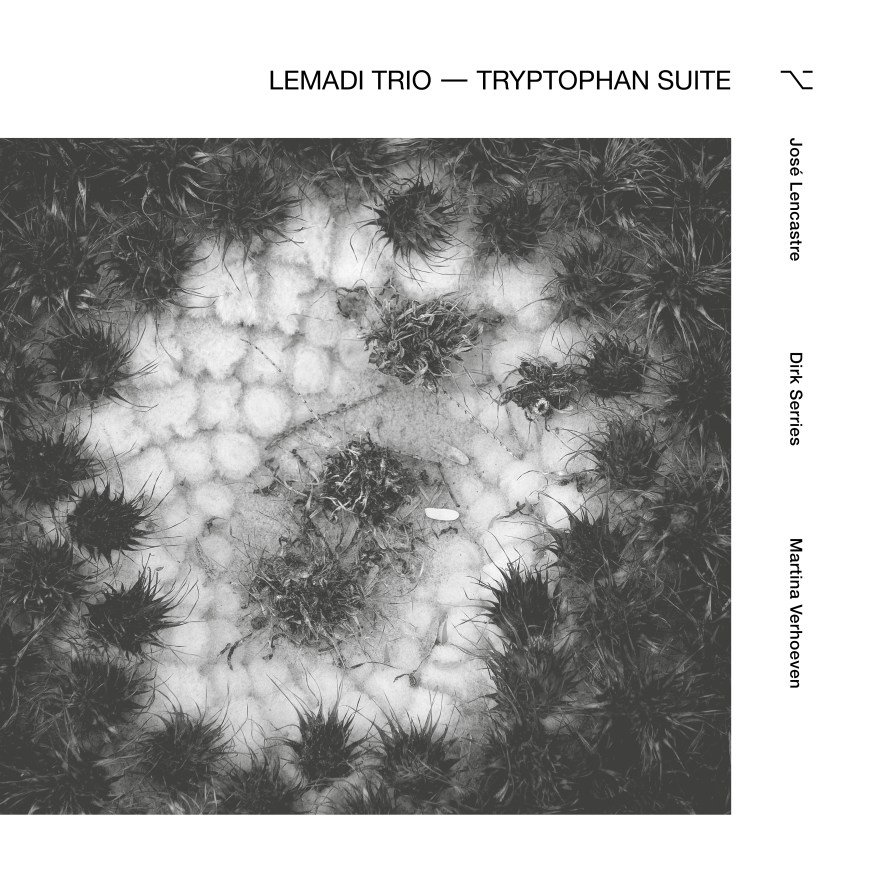
The excellent reviewer EYAL HAREUVENI just wrote a nice review for SALT PEANUTS (also read his excellent reviews on related albums like RODRIGO AMADO/ANDREW LISLE/DIRK SERRIES’ THE INVISIBLE and HUGO COSTA/FRISO VAN WIJCK/DIRK SERRIES’ Live At Oude Klooster Kapel) on LEMADI TRIO’s TRYPTOPHAN SUITE. The release is available through our bandcamp store here.
“The newly founded Lemadi Trio features another Portuguese sax hero José Lencastre (aon alto sax), Serries’ partner in life and music, Martina Verhoeven, on the vintage electric Crumar piano and Dirk Serries. Verhoeven alsto took the cover photo. This trio’s debut album was recorded live in May 2023 at Jazzblazzt in Neeritter, The Netherlands. It represents the very first notes this new trio played together, when «stars were aligned and the music flowed effortlessly in a profound conversation where each personality and instrument matters». Serries produced before a recording of Lencastre with fellow Portuguese musicians – electronics player Carla Santana, violinist Maria do Mar and double bass player Gonçalo Almeida (Defiant Illusion, A New Wave of Jazz, 2024). A week later after recording Trytophan Suite, Seriies and Lencastre they recorded a duo album, Live At Hotelier Porto Portugal May 7th 2023 (Nachtstück, 2023). The title of the album refers to an amino acid needed for normal growth in infants and corresponds faithfully with the natural development of the two, untitled and mostly sparse free improvisations. Lencastre alternates between short and brief attacks and whispering soft sounds with commanding, extended breathing techniques; Serries punctuates his flights with fast and sharp comments while Verhoeven floats gently in between with her highly resonating keyboard. Together they sketch these pieces like exquisite and unpredictable stories that occasionally gravitate towards dense and powerful climaxes.” Salt Peanuts – Norway
Ken Waxman of JAZZ WORD is catching up with some of the latest of our releases with a lovely review of DANDELION, the 2022 album of TOM JACKSON/KRIS VANDERSTRAETEN/DIRK SERRIES. The album is still available from our bandcamp store.
“Tom’s contribution may have been understated on the other disc, but during the Dandelion’s session Vanderstraeten is upfront most of the rime. Jackson’s shrills and tongue flutters set up the expositions with Serries metallic echoes, intermediate slides and up-the-neck picks and below-the-bridge clanks providing sympathetic decorations. Expanding both linear motion and auditory enhancements, the percussionist’s parallel, but not overwhelming cadences include hollow pops, woody crunches, Mylar scrubs, strained cymbal coloration and idiophone ratchets and shakes. Most prominent on “Violet blue” and “Dark green”, his playing creates the proper equivalence to the sounds from the other trio members. Jackson’s initially unaccompanied thin flutters are given extra gravitas by Vanderstraeten’s bolo-bat-like thumps and regularized tick tocks. While Serries’ string rubs, that can sound like stick friction bursting into flame, become even more taunt when framed by constant percussion sounds. Combing guitar ratchets and pops, high-pitched reed trills and cymbal smashes into group story-telling, the trio members continue to express individual textures as the narratives slide to a polyphonic conclusion, Without lacking any sonic elements, cooperative and cooperating trios like these can provide all the textures needed for enticing creative improvisations.” Jazz Word – Canada
Some exciting label-related news. One of our frequent and main partipants and kindred spirits saxophonist COLIN WEBSTER has since three years his large ensemble. Up till now they did two concerts, both at Cafe Oto in London (UK) and the 2nd one ‘SECOND EDITION” is now ready to be released on RAW TONK RECORDS. Pre-order it here.
The large ensemble was for this 2nd album : Colin Webster – alto sax Rachel Musson – tenor sax Cath Roberts – baritone sax Charlotte Keeffe – trumpet / flugelhorn Graham Dunning – electronics Dirk Serries – guitar Caius Williams – bass Andrew Lisle – drums
THE VOID OF EXPANSION’s 3rd studio album departs gently from its predecessor GOVERNED BY DECAY with a more direct approach to building up the guitar soundscapes and the interaction with the majestic and versatile drumming of Tomas Järmyr. Still very expansive but the 4 pieces are significantly their own while being part of the realm VOID has been created over these past 10 years.
SPONTANEOUS MUSIC TRIBUNE REVIEW “Album otwierają delikatnie szeleszczące talerze. Z gitary zaczyna sączyć się spokojny, ale szorstki w brzmieniu płyn ambientu, który już po kilku pętlach wydaje się płynąć przynajmniej dwoma, jeśli nie trzema strumieniami. Jeden z nich ma masę basową i okazjonalnie snuje się po podłodze. W tle słyszymy jedynie szmer szczoteczek. Wraz z leniwie upływającym czasem gitara zaczyna piąć się ku górze, a perkusja rysować bardziej wyrazisty, drummingowy flow. Całość nie jest jeszcze masywna, ani nawet głośna, ale niespodziewana zmiana dokonuje się tu niemal w ułamku sekundy. Już bowiem po upływie dziesiątej minuty muzycy stają w obliczu efektownej, gitarowej ściany dźwięku i gęstej pajęczyny perkusji. Opowieść gaśnie prawie dwie minuty, choć sama perkusjanie chce się z tym faktem długo pogodzić. Drugą historię otwiera melodyjna, matowo brzmiąca gitara. Najpierw oddycha i charczy, potem szybko formuje się w strugę groźnych fonii. Perkusista dość długo pracuje tu na basowo brzmiących tomach i w ogóle nie zbliża się do metalowych przedmiotów swojego full drumset. Narracja wydaje się być silnie rozkołysana i nabiera mocy z każdą pętlą. Wzorem pierwszego utworu, w połowie nagrania perkusista zaczyna zagęszczać flow, ale nie forsuje tempa. Sygnał do wzmożenia aktywności daje tu gitarzysta, frazując w coraz wyższych rejestrach. Opowieść z miejsca nabiera demonicznego, niezwykle mrocznego posmaku. Ta historia gaśnie przez kilkadziesiąt sekund przy wtórze umierającego dronu gitary. Trzecią opowieść na starcie wypełnia bezbarwna cisza. Docierają do nas niemal pojedyncze frazy percussion i drobne smugi kurzu z gitarowego gryfu. Szmery nasilają się przed upływem pierwszej minuty, a zaraz potem rodzi się plama gitarowego, czysto tu brzmiącego ambientu. Coś na kształt linearnej narracji pojawia się jednak dopiero po upływie piątej minuty. Ledwie co uformowany szyk, potrzebuje jeszcze kolejnych dwóch minut, by wejść na drogę bardziej gęstego, zwartego opowiadania. Oto bowiem wtedy gitarzysta zaczyna coś intensywnie budować, nakładać warstwę na warstwie. Jego instrument charczy, skowycze, boleśnie śpiewa. Perkusista dokłada masywne uderzenia, które powodują, iż narracja osiąga stan prawdziwie demonicznej histerii. Flow cały czas narasta, zdaje się przybierać prawdziwie czarne barwy. Perkusista nie tyle tu bębni, co biczuje werbel i tomy swojego zestawu. Na ostatniej prostej łapie punkowy 2-step, po czym cała opowieść ginie niespodziewaną, nagłą śmiercią. Po takiej wolcie czwarta odsłona Escaper nie może nie zacząć się wyjątkowo delikatnie. Ledwie słyszalne frazy gitary przypominają tu pierwsze promienie słońca po wielodniowej nocy polarnej. Matowa melodia ledwie szeleści, z czasem dochodzi do niej pasmo bardziej szorstkiego ambientu tworząc z pasmem prymarnym ciekawy dysonans intensywności. Pierwsze dźwięki perkusji docierają do nas po wielu minutach. Z czasem opowieść zdecydowanie nabiera mroku – gitara pnie się na szczyt, delikatnie falując, perkusja zaczyna rytualny taniec. Pod koniec gitara brzmi jak gruźlik w zaawanasowanym stadium choroby, tymczasem drumming nagle zamiera, zamieniając się w swobodny potok szumiących szczoteczek i matowo brzmiących talerzy.”
MOORS MAGAZINE REVIEW “The Void Of Expansion is een duo bestaande uit de Belgische gitarist Dirk Serries en de Noorse drummer Tomas Järmyr. Escaper is hun derde album in tien jaar, en ze knopen er meteen een tournee aan vast door België, Polen, Duitsland en Noorwegen – de moeite waard om te gaan kijken, want wat je hier hoort is live opgenomen, dus je kunt iets spectaculairs verwachten. Drummer Tomas Jarmyr (bekend van ZU, Motorpsyco etc) is de perfecte drummer om de magistrale soundscapes die Dirk Serries met zijn elektrische gitaar weet op te roepen nog meer kracht te geven. Ik laat je hier een paar fragmenten horen uit de vier stukken uit dit album, wat soms een vertekenend beeld geeft, want het denderende slot van Draught, daar hebben ze wel veertien minuten naartoe gewerkt! Hoe dat opbouwen gaat kun je dan weer mooi horen in het begin van Vessel. Weidse verten, magistrale horizonnen, je kunt het allemaal horen als je met dit duo meegaat op hun avontuurlijke muzikale reis. Een prachtplaat!”
VITAL WEEKLY REVIEW “In a sort of middle ground between the Serries solo CD and the Kodian Trio is the music of his duo with Tomas Järmyr on drums and Serries on guitar, which goes by the name of The Void Of Expansion; I had not heard of them before. This, too, is easily labelled as improvised music, and yet it’s nothing like Serries displays on his New Wave Of Jazz releases. Over there, he’s more acoustic and, above all, without the use of effects. In this duo, one track per LP side, there are a lot of effects and whatever chaos could ensue, they control it very well. The guitar feeding into effects creates an altogether different set of sounds, way more atmospheric than in many of his recent work with others, and yet also wilder than on the solo CD I just heard. Somehow, one could link this kind of free music, with a heavy dose of treated guitar sounds, to the world in which the word ambient combines with doom, metal or such things without putting up this wall of doomy metal music. In that respect, the music is way more atmospheric and can be enjoyed as four pieces of ambient music meet improvised music. Järmyr’s playing is rather loose yet heavily controlled, playing lots of small drum parts in a steady roll of these. Everything goes at a majestic slow speed, with every aspect of the sound picture in full use. Every piece has quite a similar building; Serries starts on the guitar with a few sounds and then adds a few more, then some more effects and Järmyr comes in in a similar way on the drums, less the effects. It’s a curious mixture of interests here and not something I can easily link to something else, which I guess is good (or shows my ignorance, whatever you prefer there), but improvised ambient is not something I have heard a lot about. “
AMN REVIEW : “Escaper is an album that lives up to – if not exceeds – the listener’s expectations from reading the liner notes. A live-in-the-studio duo recording from Dirk Serries on electric guitar and Tomas Järmyr on drums, it nods toward both ambient music and free improv without falling strictly into either camp. Serries creates roughly-textured waves of sound with his electric, using an array of effects that add color to ever-changing musical structures. Occasionally these sustained notes resemble that of a synthesizer, but he shifts their pitch and character too frequently to be categorized strictly as drones. Järmyr is a joy on this recording, contributing energetic and elaborate patterns of percussion. While heavily using the snare and cymbals, he gives the entire kit a workout, effectively soloing continuously throughout each of the four, long tracks. Toward the end of the album he adopts a few rock-oriented beats, but most of his playing is outside. The end result of this pairing is a gritty yet thoughtful album with long passages of dense but vigorous-created soundscapes. In a sense, Serries and Järmyr have reversed the traditional roles of their instruments, with the guitar creating a harmonic (almost rhythmic) base and drums in the lead. Regardless, there is a lot to like on Escaper, whether listening passively or actively.
KRAUTNICK REVIEW : “Was für Musik macht man mit lediglich Schlagzeug und Gitarre? Fun-Punk oder Indierock? Oder – Ambient? Für letzteres entscheidet sich das Belgisch-Schwedische Duo The Void Of Expansion, indem die Gitarre flächige Drones absondert und das Schlagzeug dazu ungezügelt herumgaloppiert. Da steckt natürlich eine Menge Jazz drin, und wer die improvisierten Kunstwerke von Jörg A. Schneider verehrt, ist bei „Escaper“ ebenso sehr gut aufgehoben, dem vierten gemeinsamen Album des Duos, bestehend aus Gitarrist Dirk Serries aus Antwerpen und Schlagzeuger Tomas Järmyr aus Sandviken, der in Trondheim lebt.Vier Tracks zwischen zwölf und gut 14 Minuten erstellt das Duo auf „Escaper“, schon mal ordentlich Zeit, jeden Track atmen zu lassen. Und das tun diese Tracks, bauen sich langsam, leise und behutsam auf, beide Instrumentalisten umschleichen einander und geraten alsbald in einen Rausch. So rauscht dann auch die Musik, die bei diesem energetischen Tanz entsteht: Serries ringt seiner Gitarre Sounds ab, die man nicht zwingend mit diesem Instrument assoziiert. Anfänglich schon, ja, das könnte E-Gitarre sein, die da Flächen generiert, „Dead Man“ oder „Le Noise“ von Neil Young könnten da Pate stehen, doch bald schon entwickelt sich daraus Flirren, Drones, gar Orgelsounds, atmosphärisches Atmen, schmerzgepeinigtes Brüllen, der Hauch der Unendlichkeit. Zunächst hält sich Järmyr stets zurück, nach einiger Zeit erst schlägt er mal ein Becken an, um sich bemerkbar zu machen, dann lässt er auch mal die Sticks über die Snares und Toms rollen, ganz dezent, und sobald man sich daran gewöhnt hat, dass der Ambientteppich nicht allein um Raum herumliegt, drischt der Drummer auf seinem Arsenal herum, schöpft sämtliche Möglichkeiten zur Sounderzeugung aus, steigert die Energie, die Lautstärke, das Tempo, und vermeidet es stets, auch nur ansatzweise einen Rhythmus entstehen zu lassen. So finden sich zwei Noise-Generatoren nebeneinander ein, um gemeinsam ein Rauschen, ein Brüllen auszustoßen, dem man sich bereitwillig hingibt. So abstrakt diese Musik auch ist, so leicht fällt der Zugang. Möglicherweise liegt es an der Prägung, sofern man Vergleichbares bereits in seinem Plattenregal stehen hat, und ja, es gibt in der Tat Vergleichbares, zwischen den Schneider Collaborations und Neil Young ist ordentlich Platz und Freestyler finden sich zahlreich rund um den Globus. Und es liegt an der Musik auf „Escaper“ selbst, die mit ihrem Aufbau die Bereitschaft der Hörenden behutsam steigert, sich in dieses sich seinerseits steigernde Inferno fallen zu lassen. Damit entwickeln The Void Of Expansion ein Alleinstellungsmerkmal in dieser Sparte. Vor zehn Jahren begannen Serries und Järmyr mit dem Album „Ashes And Blues“ ihre Zusammenarbeit als The Void Of Expansion, „Escaper“ ist ihr viertes Album. Beide haben abseits davon eine Biografie, die ganze Wände füllen kann, nicht nur solche aus Lärm. Aber mit Lärm, Serries begann Anfang der Achtziger mit Industrial, entwickelte sich in Richtung Ambient und ist heute eher im Free Jazz anzutreffen, Vidna Obmana und Fear Falls Burning sind zwei seiner Aliasse, als Scatterwound arbeitete er mit Hellmut Neidhardt alias N, und den kennen wir ja als Verbündeten von Jörg A. Schneider. Kreis geschlossen. An nur unwesentlich weniger Projekten ist Järmyr beteiligt; jüngst verließ er Motorpsycho, auf dem Album „Jhator“ von Zu spielte er Schlagzeug, als WERL agiert er mit Aidan Baker, und den kennen wir ja als Verbündeten von Jörg A. Schneider. Kreis geschlossen, einmal mehr.”
MUSICZINE REVIEW : “8/10 rating. The Void Of Expansion is een duo van de Belgische gitarist Dirk Serries en de Noorse drummer Tomas Järmyr. ‘Escaper’ is hun derde album in tien jaar. Het duo weet de muzikale paden diep te verkennen, en tekent voor een grensverleggende sound. Een dreigende intro zet de plaat op intieme wijze in. “Visage is een mooi voorbeeld van deze twee hoe ze een song weten op te bouwen door intrigerende klankentapijtjes, die een soort oerkracht hebben , die diep weet te raken in ons bewustzijn, 14 minuten lang een intense trip. Mooi opomerkelijk hoe gitaar en drums elkaar vinden, maar ook tegenover elkaar een spanninsboog optrekken. Een zoekende twee-eenheid, die lichtjes chaotisch klinkt, alle registers opentrekt met luide knallen en klanken en een climax bereikt, o.m. op “Murmur”, “Draught” en “Vessel”. Ze laten je verdweesd achter. ‘Escaper’ is een plaatje dat op het buikgevoel afgaat en dat je moet ondergaan, het heeft een bedwelmende, hypnotiserende invloed, met onderliggend een donkere, duistere gedachte, die openheid laat naar dat lichtje in de tunnel , wat op z’n beurt zorgt voor volstrekte rust. We dwalen niet verder af , maar keren net op tijd terug in de realiteit. Een verslavende trip, die uiteindelijk dat gevoel van opluchting biedt. Indrukwekkend!”
JAZZ’HALO REVIEW : “Drummer Tomas Järmyr en gitarist Dirk Serries creëren een leegte en vullen die nadien terug op volgens eigen codes. Dit betekent hier een prangend totaalconcept waarbij de heren zich profileren als ware “shapeshifters”. Ze evoceren donkere tot gitzwarte taferelen (‘Draught’!). Serries legt de fundamenten terwijl Järmyr al timmerend de opbouw verzorgt. Hun minimalistische mechanismen zijn gestaafd op haast onbehaaglijke monochrome decors die ze doorboren en ontregelen door hun instrument op heel aparte manier aan te wenden. Te omschrijven als een variant van sonore transgressie of ook nog een mix van Klaus Schulze en King Crimson. Uitgebracht onder de vorm van een dubbel-lp op half doorzichtig antracietkleurig vinyl. Elke plaatkant bevat telkens een “compositie” variërend in lengte tussen twaalf en veertien minuten. Zoals het hoort bij dergelijke exclusieve releases is de oplage beperkt tot tweehonderd exemplaren.”
ROCKERILLA REVIEW : “Per Il terzo album dei Void Of Expansion, Tomas Järmyr (Motorpsycho, Aidan Baker, YODOK III) e Dirk Serries (Fear Falls Burning) mettono in scena una travolgente versione psichedelica del mito post-rock. Tra sospensioni che sembrano preannuciare la fine del mondo e chiterra elettriche stracolme di eletriccita. I due musicisti sono piu ispirati che mai e nel giro di tre quarti d’ora reiscono a costruire un vero e proprio tsunami psichedelica. Travolgente.”
MUSIQUE MACHINE just reviewed DEFIANT ILLUSION and gave it a 4 out of 5 rating ! The album is still available from our bandcamp store.
“Defiant Ilussion is an eight-track journey into taut, brooding, at times moodily atmospheric, at others noisily seared electro-acoustic improv. The four-way collaboration features players from the Portuguese scene, and it most certainly highlights the skill and scope within the secene.This is a CD album released by Belgium’s A New Wave Of Jazz- which focuses on releasing the more free/ experimental side of improv & Jazz. The CD is presented in the label’s house-style grey mini gatefold- which on its front and back takes in grey boxes set with white texts. Inside we find a two-page write-up about the album & its players. Featured here are Carla Santanna- electronics. José Lencastre – alto and tenor sax Maria do Mar – violin, and Gonçalo Almeida – double bass. The album was recorded in the studio in October of 2022- though it all sounds very off the cuff/ live in its sound. The eight tracks that make up the album have runtimes between two and thirteen minutes. We move from the open title track, which is sinister & lightly seared mixture of taut brooding bass scrapes/ purrs, forlorn horn wails, manic string fiddles, and uneasy elector sweeps ‘n’ pulls. There’s the warbling electro haze fade in of “Each One Without Exception” which pulls together a selection of creaks ‘n’ scrabs with slowly pitch swoons, and the latter angular jaunting seesawing tones. Moving into the second half we have “Side To Side” with it’s bounding bass fiddle, sour watery electro churn, seesawing annularity, and general dense ‘n’ discordently bounding chaos. We have the constant grain static shift, wailing horn flirt, and shifting bass runs of “Untapped Storytellers”. Throughout Defiant Ilussion there is a keen sense of tensioned edge, surprised, with fleeting moments of more seared noise and even the occasional wayward melody. All making for a highly engaging trip into electro acoustic improv.” Musique Machine – UK
GARUDA TRIO + RODRIGO PINHEIRO’s TONGUES OF FLAMES just received a nice review on Holly Moors’ webzine (The Netherlands). The album is of course available through our bandcamp store.
“Het Portugese Garuda Trio bestaat uit altsaxofonist Hugo Costa, die tegenwoordig vanuit Rotterdam opereert, contrabassist Hernâni Faustino en drummer João Valinho. Dit keer worden ze bijgestaan door pianist Rodrigo Pinheiro, en samen geven ze het begrip free jazz weer een geheel eigen invulling. Op het album Tongues of Flame, dat in juli 2022 in Lissabon werd opgenomen in de Namouche studios hoor je drie stukken die goed laten horen hoe spannend ze het kunnen maken met zijn vieren. Het begint in Raw met het aftasten en verbinding zoeken met elkaar, terwijl je merkt dat ze steeds scherp op elkaar blijven letten. Dat komt in het titelnummer tot uitbarsting in een geweldige muzikale clash van karakters die stevig met elkaar in discussie gaan. Als luisteraar moet je goed je kop erbij houden hier, maar dat loont absoluut de moeite, want deze vier weten heel goed wat ze doen. Uit het derde stuk, If We Dance, pluk ik een klein fragment waarin de drummer en de contrabassist een muzikaal gesprek met elkaar aangaan, en dan hoor je dat ze ook intiem en ingetogen kunnen spelen, terwijl het ook daar heel spannend blijft. Muziek voor luisteraars met open oren, die bereid zijn vaker naar een album te luisteren als het in eerste instantie wat weerbarstig lijkt. Uiteindelijk word je als luisteraar rijkelijk beloond.”