A subtle beauty is created by the graceful brushstrokes of saxophone and the ever-transforming textural surfaces of electric guitar. Trösta’s alto sax sets MAGNETAR apart from others in the ambient genre. Warmly phrased, his serene and graceful melodies are washed in reverb, flowing in long, engulfing passages. Across 102 minutes, Belgians Serries & Trösta (the nom de plume of Nicolas Lefèvre) reveal a solace drenched in the soft timbre of melancholy and light.
A late, a bit critical but luckily clever written review of ZOHARUM’s reissue of VIDNA OBMANA’s DANTE TRILOGY. VIDNA OBMANA’s use of Dante Alighieri’s famous poem was not to musicalize this impressive piece of literature but to draw parallels with VIDNA OBMANA’s own creative demons. The album is available here.
“I’ve been tending to pass by a lot of these Vidna Obmana reissues that have been steadily appearing from the Polish Zoharum label, but I must admit this Dante Trilogy (ZOHAR 288-2) set has too much “presence” for me to ignore. A triple digipak with a spine as thick your index finger stares down from your shelf and won’t take no for an answer. Between 2001 and 2004, the Belgian ambient emperor Dirk Serries trading as Vidna Obmana managed to put out the original CDs on the American label Release Entertainment, at the time an imprint more readily associated with avant-garde noise rock and experimental metal.
I suppose there is a subtext running through the entire work that either refers to Dante’s epic poem in an oblique manner or attempts to retell aspects of the story of the descent into the ninth circle of Hades, and there are some helpful printed quotes from the Cantos on the artworks, but I feel all these things are kept on the back burner and remain merely as props or illustrative cues on which the creator can hang his assorted reprocessed experiments, looping beats, and dark ambient tones. To put it another way, this isn’t a “concept” story-telling album like The Lamb Lies Down on Broadway, and certainly the curators at Zoharum evince little interest in the works of Dante, let alone the “infernal” themes – the sound of Obmana is pretty much all they care about. On 2001’s Tremor, there are references to tunnels, descent, and something rather menacing called the “insane brightness”, but these glimpses of the diabolical zone are just that, hazy impressions delivered through the miasma of reprocessed recordings of flutes, pipes, electric guitar, harmonica, and percussion. Matter of fact the rhythms and beats might be the selling point for Tremor for an audience arriving 23 years after the fact, since along with the troubling off-kiltre non-chords and foggy moods, they help the album induce a rather queasy trance-like state akin to delirium. To achieve that mesmerism, it also helps that most of Tremor stays much in the same area – the same pace, the same overall tone; in fine, it doesn’t help to speak of a musical range when there are no conventional notes to speak of, rather an array of layers and textures.
By the time of 2003’s Spore, there might be a subtle turning down another alleyway or corridor of Lucifer’s kingdom, although the aesthetic changes are so indiscernible we’d need new maps of Hell to locate where the shift took place. The same instrumentation was used, including the “Recycling & Abstract Mutations” credit that was printed on the original release. This part of the trilogy contains a shade more violence and hints at the kind of painful flesh-tearing antics that Clive Barker would approve of, which isn’t to suggest this subtle music would have served as a good alternative soundtrack to the Hellraiser movies – although the closing cut, ‘Resonant Gore’ lasts for some 17 minutes and almost manages to propose its own horror movie just by dint of its extreme length. Obmana isn’t using ferocious hammering beats on Spore, but there is an ounce or two more reverb somewhere on these backing rhythms that induces mild panic attacks and nudges the listener closer to that “shamanistic” condition that many American droners were also shooting for around this period. Collectors of this Belgian creator’s work will be glad to note that the original 2002 7-inch version of ‘Isolation Trip’ has been included on this 2nd disc.
Lastly there’s the 2004 release Legacy which originally surfaced in late 2004. This time there’s finally an explicit link to the works of Dante as the opening track is a sung-spoken recit of the Italian bard’s lines delivered by Steve Von Till, speaking as if wrenched from the grave. I had to look him up, but he’s the singer and guitarist from Neurosis, the Californian dark-ambient psych-metal industrial band who also had albums on Release Entertainment and their sister label Relapse. This Legacy one seems the least interesting of the three to my ears – more of the same limp “tribal” rhythms and pulses, and the wispy tone-paintings swirling together in a smoky basket of puff. Is it my imagination, or are there one or two fewer “layers” for this 2004 realisation of the theme? It’s pointless to look for guitar solos or keyboard breaks in this long-form, meandering music, but somehow the separate elements which our man blends together so seamlessly seem to be slowly unravelling at some point, leaving us with a stark canvas of emptiness.
If I’m reading the Zoharum press note correctly, it seems this particular trilogy was about where Dirk Serries reached the end of one of his tethers – they speak of his personal “frustration, disappointment and creative turmoil”, perhaps in the context of his place in the field or genre of ambient music, and sure enough, three years later, he decided to retire the Vidna Obmana project.” The Sound Projector – UK
Welcome to the return of the fantastic bandcamp Fridays. A perfect way to support your favorite artists as bandcamp on this day wave their revenue fees. This makes a huge difference. So to accomodate you in this we’re giving you a blistering discount of 25% on digital and hard copy items. Valid on these two platforms and only for today !! bandcamp code : bcseptember24 https://newwaveofjazz.bandcamp.com/ https://dirkserries.bandcamp.com/
Welcome to the return of the fantastic bandcamp Fridays. A perfect way to support your favorite artists as bandcamp on this day wave their revenue fees. This makes a huge difference. So to accomodate you in this we’re giving you a blistering discount of 25% on digital and hard copy items. Valid on these two platforms and only for today !! bandcamp code : bcseptember24 https://newwaveofjazz.bandcamp.com/ https://dirkserries.bandcamp.com/
Prior performing and recording his majestic solo album for A New Wave Of Jazz, he played at Hundred Years Gallery as a form of test, a preparation for his Textural Studies release. His Textural Studies album, on vinyl, is still available through bandcamp store, click here.
German noise rock drummer JÖRG A. SCHNEIDER teams up with DIRK SERRIES.As we know Dirk, who never shies away from a challenge, but this one is beyond there. The music is absolutely not drone but rather a cross-pollination between abstract post-punk and post-metal. Enormously swirling and very in-your-face. While Jörg treats his drums as a madman, Dirk establishes himself once again as inventive as ever before with another unique take on playing the guitar and treating the sound with real-time and on the spot effects. The result is alienating, captivating and plain powerful. A record that is released in the impressive series of Schneider collaborations.
DIRK SERRIES & TRÖSTA – MAGNETAR (Projekt Records Digital, 2024) now available as a ‘name your price’ download here.
Belgians Dirk Serries & Trösta (the nom de plume of Nicolas Lefèvre) release their second album of ambient drone. What sets MAGNETAR apart from many others in the genre is Trösta’s melodic alto saxophone. Warmly phrased, the saxophone spreads its serene and graceful melody, washed in reverb, flowing in long, engulfing phrases. Don’t think about the jazz use of the sax but consider it as a warm analog wind instrument that moves above, underneath and along with the expansive guitar soundscapes.
Serries began the project with electric guitar and effects; performed live in the studio, he received a duet in return. The results are elaborate soundscapes: a symphony of lyricism, depth and nuance. It’s a solace drenched in melancholy and light, organically made by the hands of talented musicians. The 102-minute album expands their unique sonic universe, creating a beautiful, harmonic and moody blend. Music created on the spot showcases how naturally their two worlds blend.
AVANT MUSIC NEWS wrote of their debut, “Serries, who has also recorded and performed under his VidnaObmana and Fear Falls Burning pseudonyms, returns to his signature sound on this duo effort with Trösta on alto sax. Credited with electric guitar, Serries provides… layers of soft drones that gently reshape themselves. To this, Trösta adds plaintive and exploratory themes. Whether merging with the drones or serving a contrast thereto, these melancholy lines evoke a wistful and peaceful sadness… The result is not quite ambient, and neither dark nor light. Instead, it is a strangely moving set of long-form pieces that capture the emotions of the moment.”
LUMINOUS DASH wrote of their debut, “The two musicians produce a rich and compelling sound palette… Trösta colors the sonic swells in an impressive way with his saxophone. The duo immerses the listener in beneficial cosmic atmospheres that convey a soft timbre of melancholy.”
A subtle contrast is created between the fine, graceful brushstrokes of the saxophonist and the ever-transforming surfaces of the electric guitarist. Within a subtle cloud of sound, Trösta feels at home with his light, intimate playing as these two artists keep each other in balance walking together on a tightrope across a deep, dark chasm.
Recorded live, including all spatiotemporal effects at Sunny Side Studios between 2021-2023. Electric guitar, alto saxophone and electronics by Dirk Serries and Trösta. Mixed and mastered at Sunny Side Studios, Anderlecht.
Not on our label but something very very related to our philosophy and circle of friends.
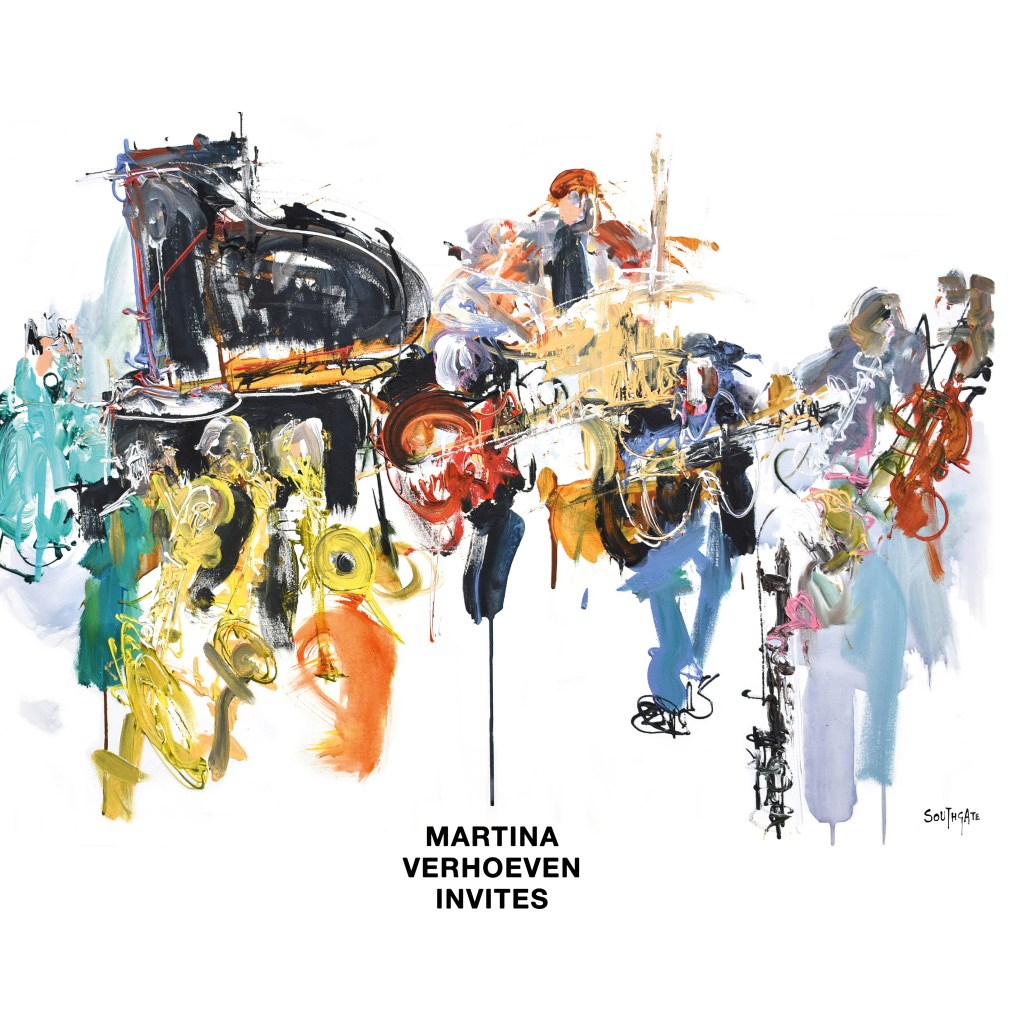
The Summer brings you a lovely surprise release. A special day required a special gathering. Belgian photographer and pianist Martina Verhoeven invited some of her kindred spirits and collaborative musicians, and hosted an afternoon of rotating configurations in the context of a full-on free impro event at the legendary CAFE OTO in London (UK) on Sunday July 23rd, 2023. Two hours of improvisations without borders, rules and/or commitments. FREE IS THE SPACE.
Due to her friendship and kindred musical understanding, the choice for Martina was easily made to let herself be accompanied by some of the best musicians in the UK free improvisation scene, with whom she already collaborated in live (UK, Belgium, The Netherlands) and recording sessions for labels like Klanggalerie, Raw Tonk Records, Fort Fruit Evil and A New Wave Of Jazz.
This unique event was captured by painter Gina Southgate. Well known on the London free music and jazz scene where she has painted live at gigs for 30 years. Gina works with the frisson of the music observing the relationship between the musician and instrument, to capture the energy and essence of the gig in the real time.
The full line-up was : Andrew Lisle : drums, Benedict Taylor : viola, Cath Roberts : baritone sax, Charlotte Keeffe : trumpet, Colin Webster : alto sax, Daniel Thompson : acoustic guitar, Dirk Serries : electric guitar, Martina Verhoeven : grand piano, Tom Jackson : clarinet and Tom Ward : bass clarinet, flute.
Pre-order now at this introductory price of 10 EUR :
After “THE DISINTEGRATION OF SILENCE“, marked as a continuation of the work between visual artist Stefano Gentile and Belgian ambient musician Dirk Serries, Dirk returns to Stefano’s Silentes/13 label with a new album, entitled “DEFIANCE OF SELF“. In the wake of its predecessor, Dirk worked on this album in January 2024 using his motherboard of pedals and an electric guitar to create this slightly darker and experimental album. Once again performed and recorded entirely in real-time, and embracing the willful character of some of his outboard pedal effects, Dirk allows them to lead direction of each piece. “DEFIANCE OF SELF” is alienating, expansive, utterly eerie and inventive, as the author continues to consolidate a new creative path that’s clearly his own. Let yourself be absorbed in this dark realm of thematic soundscapes, accentuated by the somber and melancholic ’80s style of Stefano Gentile’s photography.
ONDAROCK REVIEW : “La parabola artistica di Dirk Serries, iniziata alla fine degli anni 80 sotto lo pseudonimo Vidna Obmana, non smette di rivelarsi estremamente prolifica arricchendosi con invidiabile costanza di album solisti e collaborazioni a vario titolo. Tra queste ultime si è rinnovata lo scorso anno quella con Stefano Gentile – iniziata nel 1995 con l’uscita di “The Transcending Quest” per la sua Amplexus – attraverso la pubblicazione di un lavoro audiovisivo che vedeva affiancati i collage dell’artista veneto alle frequenze ambient del musicista belga. Ed è nuovamente l’attuale etichetta di Gentile a curare l’uscita di questo nuovo tassello. I cinque dilatati piano sequenza di “Defiance Of Self” si ricollegano direttamente alla matrice atmosferica intrisa di un chiaroscuro malinconico e desolante che tanta parte ha avuto nei capitoli migliori a nome Vidna Obmana. La chitarra è elemento unico, supportata dagli effetti, registrata e manipolata analogicamente in presa diretta. Le atmosfere perseguite sono crepuscolari, contraddistinte da un’evoluzione lenta e costante di modulazioni sature, la cui grana – soprattutto quando le screziature si fanno evidenti – conferisce un portato hauntologico preminente, veicolato anche dall’immagine sfocata e consunta della copertina. Quello plasmato è suono che si innalza tendendo a sfaldarsi (“Crumbling Sense”), ad inasprirsi fino a sfiorare la dissonanza (“Reckoning”), rendersi flessuoso ritrovando sentori enoiani (“Vigil”) per divenire riverbero di una memoria distante, che giunge da territori oscuri. Indulge fino ad essere ossessivo, disegna scenari di inquietudine in cui si rimane inevitabilmente impigliati ricordandoci quanto sia incisiva la capacità di Serries di costruire labirinti interiori profondamente elegiaci.”
VERSACRUM REVIEW : “Defiance of Self di Dirk Serries è un album che sfida le convenzioni dell’ambient, portando l’ascoltatore in un viaggio sonoro cupo e sperimentale. Il musicista belga ha sempre avuto la capacità di reinventarsi come già si poteva notare con il suo leggendario progetto Vidna Obmana. Pubblicato per l’etichetta Silentes/13 di Stefano Gentile, il disco rappresenta un’evoluzione del sodalizio artistico tra il musicista belga e il fotografo italiano. L’album, concepito nel gennaio 2024, emerge come un’opera che non solo estende la sensibilità acustica di Serries, ma ne esplora anche i confini più oscuri e inesplorati. Dirk Serries utilizza qui una combinazione di pedali e una chitarra elettrica. Defiance of Self è stato registrato interamente in tempo reale. Questo approccio conferisce all’album una qualità organica e imprevedibile, dove ogni traccia si sviluppa come una conversazione in continua evoluzione tra l’artista e i suoi strumenti. Le manipolazioni sonore si fondono e si sovrappongono, creando un arazzo acustico stratificato e complesso che è allo stesso tempo straniante e avvolgente. Serries evoca qui paesaggi sonori che sono tanto affascinanti quanto disturbanti. Le atmosfere create sono brumose e malinconiche, avvolgendo l’ascoltatore in un piacevole stato ipnotico che riesce a sospendere il tempo e lo spazio. Fin dall’iniziale “Mantle” veniamo proiettati in un’atmosfera nebbiosa e lattiginosa che evoca una natura solitaria e desolata. “Crumbling” inizia in maniera sperimentale e noise per poi sfociare con effetto siderale nel finale. “Perception” è più pacata e meditativa anche se pervasa da una tensione sotterranea mentre “Reckoning” vira verso ambientazioni che mi hanno ricordato il primissimo Klaus Schulze almeno come effetto. La conclusiva “Vigil” mi ha invece ricordato molto certe momenti cupi e gotici del primo Vidna Obmana. Le fotografie malinconiche e cupe degli anni ’80 di Gentile completano perfettamente i paesaggi sonori di Serries, creando un’esperienza immersiva che è tanto visiva quanto uditiva. Le immagini evocano un senso di nostalgia e perdita, che risuona con i temi esplorati nelle composizioni sonore. Questa sinergia tra suono e immagine amplifica l’impatto emotivo dell’album, trasportando l’ascoltatore in un regno di riflessione e introspezione. Ogni brano di Defiance of Self è una meditazione sull’identità e l’autodefinizione, come suggerisce il titolo. Serries utilizza i suoni per esplorare i confini del sé, mettendo in discussione le percezioni e le aspettative dell’ascoltatore. Non si tratta di un album facile ma richiede un ascolto attento e contemplativo, invitando a perdersi nei suoi intricati paesaggi sonori e a riflettere sul proprio viaggio personale. Le atmosfere brumose e malinconiche, che riescono ad evocare un piacevole stato ipnotico, rendono l’ascolto un’esperienza profondamente coinvolgente e trasformativa. Il CD, in custodia di cartone con busta interna, esce in un’edizione limitata di 200 copie.”
VITAL WEEKLY REVIEW : “You can’t say Dirk Serries is a one-trick pony. I am one, though, because I used that same line only some weeks ago when discussing his ‘At Future Dawn’ release (see Vital Weekly 1439). He started dabbling with noise in his very early days as Vidna Obmana, explored the world of ambient and electronics with that project, picked up the guitar to play a more rock-like version of ambient music as Fear Falls Burning, and about ten years he added pure improvisation to that. I always assumed entering a new phase ended the old one, but that’s not the case again, as we saw last time. This new disc sees a continuation of the previous one because if Serries has an approach, he shares it plenty. The information mentions Serries uses his motherboard of pedals and an electric guitar, which one easily assumes brings a mix of Fears Falls Burning and Vidna Obmana, or perhaps a different take on improvisation, but instead, Serries manages to make the guitar sound unlike the guitar. I do not know if he bought a new load of effects, as they give the music a more organ-like quality, almost as if he uses some granular synthesis and pitch-shifting harmonics. It is atmospheric music, and the last track, ‘Vigil’, is the most ambient, whereas the others have an excellent atmospheric unrest feeling. The music is both intense and relaxing, which may depend on the volume you use for playback. I prefer a more moderate volume, so the space I am in, my living room, fills up beautifully with sound without being too immersive (that kind of thing is not something I like to experience at home, but rather in a bigger space, different sound system, etc.). As with the last review, I like to end with the same line, ‘I don’t know why he no longer wishes to use his Fear Falls Burning moniker for this, as this could have morphed into something that Dirk Serries does on this CD”
SPONTANEOUS MUSIC TRIBUNE REVIEW : “Zbiór nagrań poczynionych od kwietnia do grudnia ubiegłego roku otwierają frazy, którego zdają się pochodzić z samego dna kosmicznej czarnej dziury. Z jednej strony wystudzona warstwa czystego dark ambientu, z drugiej strumienie szmerów. Opowieść już po kilku chwilach ma bardzo bogatą fakturę – niskie, niemal basowe pasmo delikatnie chrobocze, z kolei wysokie śpiewa niczym chór anielski. Narracja płynie coraz szerszym korytem, a do jej gęstego już wnętrza przedostają się drobne frazy usterkowe. Całość umiera w wiecznym szumie herbertowskiej pozaprzestrzeni. Owe zniekształcenia, fałszywe dźwięki, usterki, mikro sprzężenia stanowią wątek główny kolejnej opowieści. W kilka chwil po starcie na backgroundzie plejady usterek zaczyna formować się szeroka struga ambientu, wysoko posadowiona, w brzmieniu dalece mało subtelna, wręcz groźna, która z czasem systematycznie zawłaszcza obszar usterkowy, aż po stan pełnej dominacji. Na etapie finalizacji ambient gaśnie, a na powierzchnie zaczynają powracać strzępy fonii, które poznaliśmy już wcześniej. Przypominają robactwo, które po rzęsistej ulewie wychodzi z bulgoczącej ziemi. Trzecie opowiadanie, to rodzaj skupionej, mroczej modlitwy. Czyste pasmo płynie środkiem, a na jego obrzeżach zaczyna mościć się interlokutor, który ma nieco zabrudzone brzmienie. Z jednej strony post-melodyjna nostalgia, z drugiej porcja gęstniejącego brudu. Na górze śpiewy, po środku taniec, na flankach tumany szumu. Na zakończenie epizodu pojawiają się kolejne porcje usterek – tym razem brzmią jak pasma zdezelowanego syntezatora. Kolejna opowieść staje w dramaturgicznej opozycji do poprzedniczki. Nerwowa, jazgotliwa, wręcz demoniczna struga ambientowych wywiewów na etapie rozwinięcia zostaje uzupełniona o wyższe pasmo, jakoby niosące źdźbło nadziei. Tymczasem w tle zaczyna się już toczyć mała wojna światów. Nerwowe frazy umierają tu w prawdziwych konwulsjach. Finałowa ekspozycja podejmuje nie do końca skuteczną próbę uspokojenia sytuacji scenicznej. Drobne, basowe pulsacje, strumień czystego ambientu, ale i kolejna porcja usterek, tym razem dość drobnych. Opowieść toczy się umiarkowanie spokojnie, ale w jej wnętrzu budują się pasma gęstego, niemal bolesnego smutku. W głowie recenzenta budzą się teraz skojarzenia z post-elektronicznymi dekonstrukcjami Matta Elliota czynionymi pod jego epokowym szyldem Third Eye Foundation dwie dekady temu z okładem. Na choćby odrobinę ukojenia musimy tu czekać niemal do ostatnich sekund.”
KRAUTNICK MAGAZIN REVIEW : “Es ist ein Rausch, ein Skulpturengarten im dichten Nebel, ein Tauchgang in Honig, ein zwielichtiges Labyrinth in Watte: „Defiance Of Self“ nennt Dirk Serries seine Experimente, die er mit seiner Gitarre und seinem Effektboard mitschnitt, in Echtzeit, wie die Info betont. Die Info sagt außerdem, dass die fünf Ambient-Tracks dunkel und experimentell ausgefallen sind, aber das ist durchaus diskutabel: Freunde solcher freien Musik finden Freude an den entschärften Atmosphären, die die Hörenden umhüllen und vom Übel der Welt abtrennen. Dunkel geht anders, abstrakt indes ist es sehr, und es gelingt dem Antwerpener ungemein gut, aus dem Experiment Schönheit zu extrahieren. Von wegen „Selbstverachtung“! Fünf Tracks zwischen zehneinhalb und dreizehneinhalb Minuten generiert Serries bei sich zu Hause im Studio mit Gitarre und Pedalen. Der Opener „Mantle“ trägt seinen Titel mit Recht, er umhüllt, umfängt die Hörenden wie ein Schutz, den man nicht spürt, nicht sieht, lediglich wahrnimmt, mit einem siebten Sinn vermutlich, ein wabernder Rausch. Auch zu „Crumbling“ an zweiter Stelle passt der Titel, das Stück zerbröselt nicht einfach, Serries zerhackt es, er generiert beinahe Industrial-artige Rhythmen, bleibt aber dennoch milde damit. Es erinnert sehr an den Sound des wunderbaren Duos Nac/Hut Report aus Kraków. In Track Drei, „Perception“, wird Serries beinahe sakral, es klingt wie ein Gottesdienst, der im grauen Zwielicht eines noch nicht besiedelten fremden Planeten abgehalten wird. Unterdrückte Chöre aus dem Zwischenreich und ein Organist, der gegen Ende mühsam dagegen ankämpft, zur Seite zu kippen, halten die Motivation der Kirchgänger am Rande einer unzugänglichen Landschaft aufrecht. In „Reckoning“ klingen Serries‘ Instrumente wahlweise wie Schiffshörner, die Orientierung zu geben versuchen, abstürzende Flugzeuge und Formel-1-Boliden im Vorbeiflug, begleitet von einem weit entfernt im Graben seine Instrumente stimmenden Orchester. Zum Finale gibt’s mit „Vigil“ eine transparente, ätherische Mahnwache, einen Chor der stummen Seelen, einen Begleiter hinab in ein narkotisches Traumland. Serries fasst „Defiance Of Self“ als Fortsetzung von „The Disintegration Of Silence“ auf, das er nur wenige Monate zuvor als Soundtrack zu einem Kunstbuch von Stefano Gentile unter gleichen Bedingungen aufnahm. Jener Fotograf, nicht der Basketballer, nun revanchiert sich damit, dass er diese Fortsetzung ebenfalls auf seinem Label Silentes/13 herausbringt. Wer Serries‘ Musik sammeln will, braucht derweil ein dickes Portemonnaie und viel Platz im Regal – der Mann ist unermüdlich. Man darf sich freuen auf die erste Collaboration mit Jörg A. Schneider, die hoffentlich in Kürze zu haben ist – die zweite sollte ebenfalls bereits aufgenommen sein. Es reißt nicht ab!”
JAZZ’HALO REVIEW : “Dirk Serries in zijn eentje met elektrische gitaar en de nodige pedalen ter beschikking, dat staat hier synoniem voor een flow van klanken uit de kosmos. Een ander en vooral donkerder aspect van de gitarist die graag en goed om zich heen schopt in de wereld van free en improvisatie. ‘Defiance Of Self’ sluit naadloos aan bij wat hij uitbrengt onder de naam vidnaObmana maar gaat ook enkele schemerzones verder. Vijf mysterieuze ambient stukken boordevol droom- en waanbeelden, gestadig opgebouwd maar zonder catharsis. De gitaar als abstract expressiemiddel. Opgepast voor de fans want het gaat om een beperkte oplage! Verschenen op het Italiaanse label van Stefano Gentile met wie hij het interdisciplinaire ‘The Desintigration Of Silence’ maakte (en dat inmiddels uitverkocht is).”
ROCKERILLA REVIEW : “Dirk Serries torna alle sue immersioni negli abissi degli ascolti profondi. Registrato in tempo reale, Defiance Of Self è lo specchio dell’anima di una musica dedita alle modalita ambient noise della tessitura telepatico-minimalista piu pervasiva. Quale consumato stratega di sortilegi paramusicali, il compositore belga mette in camp le potenzialita della cifra contemplativa piu obliqua e rapita, solcata da irradiazioni di armonici rugginosi e stralunati. Una mappa cerebrale di processi uditivi che si allungano insieme alle corde della chitarra elettrica e al corredo di effetti plurimi azionati del Nostro. Una ‘sfida del sé fatta d’incontri imperscrutabili e manefestazioni extrasensoriali Da Dipanare Nell’Ombra.”
BLOW UP REVIEW : “Dirk Serries è stato sempre estremamente prolifico, a partire da Vidna obmana con cui ha iniziato, della seconda metà degli anni ’80, per proseguire vent’anni in Fear Falls Burning, fina alle ultime stagioni in cui ha preferito firmare I suoi lavori col proprio nome, anche in un’impressionante quantità di collaborazioni. Rispetto all’ultimo atto per Silentes. ‘The Disintegration of Silece’, dello scorso anno ‘Defiance Of Self’, registrato, come d’abitudine, solo con chitarra elettrica ed effetti applicati in tempo reale, predilige sponde più ombroso e meno accoglienti, tanto che la conclusive, scura, Vigil sembra persino avvicinarsi a certe pagina del suo antico progretto. Negli altri brani, che hanno durate simili, si estendono tra I dieci e I tredici minuti, la dronica Mantle apre ad ambienti spaziosi e, per recate impressioni, piacevolmente neutri, Crumbling Sense si caratterizza per un procedure inizialmente faticoso, col natural flusso sonoro disturbato e intermittente, che si scioglie e scorre senza ostacoli solo nella porzione centrale per poi ritomare ad inciampare tra distorsioni e riverberi, in Perception of A Fall si avverte il senso della sfida di affrontare soavemente la consapevolezza esistenziale che un baratro si profila, in Reckoning si fruga in se stessi con discordanti, contorte, forze contrarie, tra mistica e cupezza (7,5).”
“At Future Dawn” is the second Cloudchamber release for Dirk Serries. Picking up where Dirk left off with “Nocturnal Discord”, this album pushes those ambient boundaries once more. Known since the early eighties for his trademark ambient music under the Vidna Obmana pseudonym, Dirk continues to steer his music into new territory using a motherboard of pedal effects and one electric guitar. “At Future Dawn” contains music that constantly breaks down and build itself up again, all done real-time without any specific editing apart from EQ-ing and mixing. The music becomes an organic flow of processing the guitar, carefully analyzing the tonalities to create 6 songs of beauty, introspection and abstractness all at once. Let yourself be immersed in this new world Dirk Serries is creating.
VITAL WEEKLY REVIEW “You can’t say Dirk Serries is a one-trick pony. Following many years as Vidna Obmana and a lot fewer years as Fear Falls Burning, these days, he plays under his name improvised music. But he willfully confuses his fans by using the same name to play the music that could be part of the Vidna Obmana/Fear Falls Burning catalog, with differences. Suppose you only know his improvised music, for instance seeing the Kodian Trio in concert (we’ll get to that later), you might be surprised by his release ‘At Future Dawn’. The six pieces on this disc, recorded in real-time, see Serries playing electric guitar and effects, and it sounds very different, even when played in real-time. In his older projects, he played ambient music, using synthesizers, loops, and later on guitar, usually with a maximum effect, especially in Fear Falls Burning. On this new disc, he likes his music to be sparse, with a few sounds, maybe a looper device, and some coloring with other devices. All of this works with microscopic sound. This is ambient music but on a more vulnerable level. The tension is there, but sometimes a bit buried and hushed. Listen closer and you spot many small details in the music, which makes the music no longer strictly microtonal. In all pieces, Serries takes his time to unfold what he wants to convey with his music, slowly building up, putting some mild distortion in places, and still doing a very atmospheric job. Music that is quite immersive, especially if you turn up the volume, but also when Serries decides to put some force behind his music. I don’t know why he no longer wishes to use his Fear Falls Burning moniker for this, as this could have morphed into something that Dirk Serris does on this CD.”
DE SUBJECTIVISTEN REVIEW “De Belgische klasbak Dirk Serries leerde ik ooit kennen als Vidna Obmana (of welke schrijfwijze dan ook), waarmee hij een bijzonder indrukwekkende discografie heeft opgebouwd. Dark ambient pur sang was het en nog altijd met enkele gedraaide releases hier. Daarna kwamen er vele releases met projecten als Fear Falls Burning, YODOK III, 3 Seconds Of Air, The Sleep Of Reason, Continuum, Akhet, Kodian Trio en Streams Of Consciousness. Maar ook onder zijn eigen naam verschijnen er ontiegelijk veel maar en allemaal kwalitatief hoogwaardige releases. Nergens zal daarbij ooit de zon schijnen overigens, maar schakelt hij tussen meerdere kleuren zwart en hard. Onder zijn eigen naam is nu het album At Future Dawn verschenen, dat op minimale wijze weer andere ambient gebieden ontgint. Dit doet hij met elektrische gitaar en effecten, waardoor het gruiziger is en meer zijn Fear Falls Burning project benadert en toch ook weer niet. Af en toe meen ik ook een stem te horen, maar dat is wellicht puur suggestie. De muziek bouwt langzaam op om vervolgens weer af te brokkelen en verder te kruipen naar intrigerend nieuw terrein. Meeslepend goed!”
INDIEROCK MAGAZINE REVIEW : “Hasard du calendrier, deux vétérans du dark ambient et plus généralement des musiques expérimentales du côté obscur, toujours hyperactifs aujourd’hui et qui par ailleurs se connaissent bien pour avoir collaboré encore pas plus tard que l’an passé avec le premier opus de Loud As Giants (cf. #140 ici), sortaient fin mai de nouveaux albums : d’un côté Final, aka le Britannique Justin K. Broadrick (Godflesh, Jesu, Techno Animal etc), de l’autre le Belge Dirk Serries (Vidna Obmana), moins connu des aficionados de musiques extrêmes bien qu’auteur avec Steven Wilson/Bass Communion, dans les années 2000, de deux chefs-d’oeuvre absolus du drone doom sous le nom de Continuum. Deux amis, deux albums aux artworks de grisaille abstraite non sans atomes crochus musicalement parlant avec leurs nappes denses et opaques aux lourdes vibrations basses et au hiss proéminent… mais au minimalisme finalement assez statique de What We Don’t See, qui ne restera pas dans les annales des plus grandes réussites de son auteur, répond chez Dirk Serries une dimension presque orchestrale aux poignantes harmonies élégiaques tantôt saturées (Blank Resurgence, ou le monumental Semblance), abîmées au cut-off (A Bitter Grace) ou gondolées par les années (Stretching Zero, At Future Dawn), ainsi que de véritables abîmes fantomatiques à l’image des limbes magnétiques du superbe The Sole Comportment. Un disque enregistré en direct à la guitare électrique à effets et pourtant d’une richesse assez impressionnante dans ses motifs et ses textures, qui n’est pas sans évoquer par son instabilité et ses contrastes agités la fragilité de nos espoirs pour l’avenir face à la menace constante du chaos… autant dire que l’on tient là un vrai coup de coeur, et potentiellement l’un des sommets de ce premier trimestre pour les amateurs d’ambient.”
EXPOSE REVIEW : “Dirk Serries has long been known (under his own name and monikers Fear Falls Burning, and VidnaObmana before that) for making absolutely mind-shattering ambient music using primarily electric guitar and associated effects. It may not sound like that on first listen, but he has a way of coaxing sounds out of his guitar that one wouldn’t expect, capably twisting in the wind like fragments of iron and steel, burning and melting, finding chaos and disorder where one would least expect it. At Future Dawn presents six cuts of varying duration, whirling and spinning with abandon down dark and grizzly corridors of monochrome madness, finding a nightmare around every corner, wondering how this beautiful dream ever turned into such a cauldron of formless bedlam, but it did. Each of these stand-alone pieces drives home a flood of emotion and mangled asymmetry as it releases an epic of astonishing patterns that follow no predictable order beyond that which is never predicted. At times the entire wall of sound stretches and falls into a darkened shadow where all tones bend together, stretching up and stretching down, with strange sounds coming out of the darkness in order to make themselves heard, like ghosts of a flock of pterodactyls lost in time. How does Serries create these strange organic flows? one might ask, but since he has been at his craft as long as many of us have been alive, it might be better to let him keep that secret and just enjoy what has been offered as it is presented, like the gnarled and knotty images on the ancient cave wall that is opened before you. It is natural beauty, it is art, it is the purity of existence in its most open and resplendent form; open your mind and allow it all to come in, immerse yourself in whatever it is that washes over you as it seeks to open new portals above and below for further exploration.”
ROCKERILLA REVIEW : “Da piu di vent’anni Dirk Serrie ha abbandonato il nome di Vidna Obmana per pubblicare la sua musica. All’alba del nuovo millennio è passato attraverso le esplosioni post-rock di Fear Falls Burning per poi giungere ad una rivoluzione copernicana che l’ha portato ad essere un protagonist della scena free jazz europea.. Dopo tutto questo girovagare Dirk ha sentito il bisogno di tornare a misurarsi con l’ambient music.. AT FUTURE DAWN è un disco costriuto con I riverberi accecanti di una chitarra elettrica e poco altro. Meloldie stracolme di malinconia si rincorrono per tutta la durata del disco, lungo sessantasei minuti e sei cartoline di introspezione acustica.”
MUSIQUE MACHINE REVIEW : “At Future Dawn collections together six ambient guitar-scapes from long running/ respected Belgium sound maker Dirk Serries. The tracks utilizers both gentle feedback & subtlety moody electro detail in their make up, for an ambient album that is nicely nudges at the genres edges.The CD album comes presented in a black & grey six panel digipak, which takes in a selection of barrenly abstract pictures that have been blurred or used similar effects. The tracks were performed in real time by Serries- with him utilizing just an electric guitar and effects. The six tracks have runtimes between seven & eighteen minutes- with a good selection of moods/ tones conjured up over the album. The album opens with “Stretching Zero” which is the longest track here at nearly nine minutes. It’s built around this shimmering ‘n’ swaying fed back tone- which at it’s base has waveringly restful low end, and at it’s top simmering harmonic mids & soothing highs. As we move through the album we have the wonky harmonic grandeur meets hovering static haze of “Bitter Grace”. At points the track possessions an almost antique organ quality- which is underline by the feel of sun faded sonic American. There’s the eerier and juddering flow of “The Sole Comportment” which feels like the soundtrack to walking through a creepy house at nighttime- as one visions seems to gentle warp & flicker after you’ve ingested some strange and limb weighing hallucinogenic drug. With the album playing out with the title track- which brings together light seared tolling slide rings, with a glowing ambient underbelly, and growing mid-range harmonic warp/ waver. At Future Dawn is another fine ambient album from Serries- which sees it’s gentle pushing at the genre’s envelope.”
MUSICZINE REVIEW : “9/10 rating. We citeren even uit de bio: ‘At Future Dawn’ is de tweede Cloudchamber release van Dirk Serries. Dit album gaat verder waar Dirk ophield met ‘Nocturnal Discord’ en verlegt opnieuw de grenzen van de ambient. Bekend sinds het begin van de jaren tachtig voor zijn kenmerkende ambient muziek onder het Vidna Obmana pseudoniem, blijft Dirk zijn muziek sturen naar nieuwe gebieden met behulp van een moederbord van pedaal effecten en een elektrische gitaar. ‘At Future Dawn’ bevat muziek die zichzelf voortdurend afbreekt en weer opbouwt, en dit alles in realtime zonder enige specifieke bewerking behalve EQ-ing en mixing. De muziek wordt een organische stroom van het bewerken van de gitaar, het zorgvuldig analyseren van de tonaliteiten om 6 nummers van schoonheid, introspectie en abstractheid in één keer te creëren. Laat je onderdompelen in deze nieuwe wereld die Dirk Serries aan het creëren is.” Inderdaad, Dirk Serries creëerde met deze ‘A Future Dawn’ een heel filmische, visuele plaat, die bovendien de fantasie prikkelt. Niet door een oorverdovende klank, maar het te houden op intense, zwevende klanken die de horizon verruimt. In de zes nummers laat Dirk ons binnen stappen in een wonderbaarlijke wereld waar donker en licht elkaar ontmoeten en een amicale band uitbouwen. Een sprookjeswereld die echter niet te klef overkomt; het brengt zelfs rust in dit jachtig bestaan . Het ruim achttien minuten lange “Stretching Zero” is een mooi voorbeeld hoe Dirk Serries hier tewerk gaat in die twee verschillende polen, die een mooi spanningsvelde creëren. Een zone tussen volstrekte rust en intimiteit, zalvend je hart verwarmen en zachtjes botsend tegen een geluidsmuur hoor je op de uitgesponnenheid van “A Bitter Grace” en “The Sole Comportment”. Ze flirten voortdurend tussen die polen en een ‘zen’ gevoel wordt bereikt na de laatste noot van ‘A Future Dawn’. Dirk Serries is een veelzijdige muzikant die eenintens, onaardse sfeertje bewerkstelligt, met of zonder compagnie. Het maakt dat deze ‘A Future Dawn’ weet te overtuigen!”
SPONTANEOUS MUSIC TRIBUNE REVIEW : “Pierwsza opowieść trwa tu ponad osiemnaście minut i konstytuuje jakość całego przedsięwzięcia. Pozornie leniwy poranek dość szybko przyobleka się brudem, usterkującą pulsacją, brzmieniem, któremu zastanawiająco blisko do Fear Falls Burning, etykiety, której wierny był Serries w poprzedniej dekadzie. Flow syci się tym razem nie tyle smutkiem, co trwogą, niemal egzystencjalnym lękiem. Narracja pęcznieje – górą ścielą się fale ambientowego krzyku, w trzewiach narasta rozdygotany smutek, któremu po drodze z wrażliwością wspominanego przy okazji poprzedniego albumu Third Eye Foundation. Finał utworu oblepiony jest plejadą gitarowych post-dźwięków. Kolejne dwie opowieści są znacznie krótsze, ale równie dosadne emocjonalnie. Najpierw, to chmura usterek, zgrzytów, napięć elektrycznych, które formują się w balladę pełną złych mocy. W głębi znów rodzi się smutek, który rozrywa trzewia gęstymi porcjami rozpaczy. Na ratunek płynie teraz szeroki strumień czystego ambientu, ale nie niesie on ukojenia, raczej kolejne porcje niepokoju. Szczęśliwie dla naszego zdrowia psychicznego kolejna opowieść daje garść wytchnienia. Basowe post-melodie, szum dogorywającej przyrody, nowe porcje emocji, docierające wszakże spoza grubej kotary teatralnej. Czwarta część rodzi się w oparach szemrzącej ciszy. Narasta dość szybko, nie bez prawdziwie demonicznej poświaty. Na froncie tlą się iskierki brudu, we wnętrzu rozpacz zapomnianych melodii. Opowieść łyka także porcje post-elektronicznych zgrzytów, a w fazie finałowej niepokojąco zbliża się do ściany dźwięku. Puenta, to złowrogo skrzeczące gawrony. W piątej historii znajdujemy się w strudze brzmienia, które przypomina syntezator konsekwentnie udeptujący plejady skwierczeń i drobnych usterek. Na to wszystko opada chmura rozdygotanego, brudnego, szeleszczącego post-ambientu. Hałas ponownie czai się za rogiem, a programowy smutek zdaje się być na stale zastępowany niekończącymi się porcjami lovecraftowskiej grozy. Ostatnia opowieść śmiało zaksięguje na miano diabelskiej kołysanki. Budowana jest usterkami i pulsacjami brzmiącymi niczym organy. W sploty nerwowe narracji muzyk wkleja intrygującą, niemal dubową poświatę. Nie brakuje kolejnej strugi rozpaczy godnej Matta Elliotta. I tak już bogata faktura opowieści raz za razem uzupełniana jest kolejnymi elementami – coś tyka jak zegar, coś zgrzyta zębami. Zbawienna chmura ambientu z czasem wygładza ów chropowaty flow, topiąc jego kolejne elementy. Opowieść umiera w kałuży drobnych usterek.”
JAZZ’HALO REVIEW : “Het vervolg op ‘Nocturnal Discord’ (2023) en wederom waagt Dirk Serries zich in het mythische land van ambient en soundscapes. Hiervoor hanteert hij (opnieuw) een elektrische gitaar en een resem effectpedalen. De kunstzinnige zwart-wit lay-out omvat fotowerk van Martina Verhoeven dat even intrigerend is als de cryptische inhoud. ‘Stretching Zero’, ‘Blank Resurgence’, ‘The Sole Comportment’ en natuurlijk ‘At Future Dawn’ zijn titels die een mogelijke richting aanduiden maar de fantasie van de luisteraar is hier nog de beste gps om gedurende iets meer dan een uur rond te zweven in onbekende nevelen. Zoals we dat gewoon zijn van Serries werd alles in “real time” opgenomen. Fascinerend hoe de gitarist zich een weg baant door het labyrint van zijn eigen universum en de ruimte moduleert. Verslavend, bedwelmend en een gepaste soundtrack om buiten de geldende tijdzone te stappen.”







 dirkserries.com